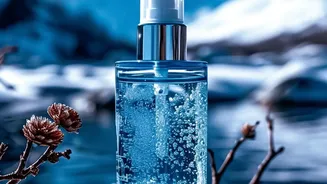







As temperatures drop, does your skin start to feel tight, flaky, and uncomfortable? You're not alone. The combination of cold air and indoor heating strips moisture from our skin, but the secret to a comfortable winter complexion starts with one step.
Why Winter Demands a New Cleansing Strategy
The battle against winter dryness often begins at the sink. Cold, low-humidity air outside and dry, heated air inside work together to weaken your skin's natural protective barrier. This barrier is made of lipids (oils) that are crucial for locking in moisture. When it's compromised, water escapes more easily, leading to that all-too-familiar feeling of tightness, itchiness, and flakiness. Many people reach for a richer moisturiser, but a harsh cleanser can undo all its good work. If your face wash strips away your natural oils, your moisturiser is left fighting an uphill battle. That's why rethinking your cleansing routine is the foundational step to keeping your skin happy and hydrated all season long.
Choose Your Cleanser: Texture is Key
The first rule of winter cleansing is to move away from products that leave your skin feeling 'squeaky clean'. That tight feeling is a sign that your skin has been stripped of its essential oils. During colder months, consider switching from foaming or gel-based cleansers to more nourishing formulas. Cream, milk, and oil-based cleansers are excellent choices. These textures effectively remove dirt, makeup, and sunscreen without disrupting the delicate skin barrier. Creamy, non-foaming cleansers are particularly good because they clean the skin gently while helping it retain moisture. If you have very sensitive skin, you might even consider using a gentle micellar water for your morning cleanse.
Ingredients to Look For
Reading the ingredient label can make a huge difference. For winter, you want cleansers packed with ingredients that hydrate and support the skin barrier. Look for humectants, which draw moisture into the skin. Glycerin is a reliable and effective choice. Hyaluronic acid is another powerhouse, known for its ability to hold many times its weight in water, helping your skin stay plump and hydrated. Another crucial category is barrier-repairing ingredients. Ceramides are fatty acids that naturally make up a large part of your skin barrier. Adding them back via your cleanser helps replenish what the winter environment takes away. Other beneficial ingredients include soothing aloe vera, nourishing shea butter, and squalane, which helps prevent moisture loss.
Ingredients to Avoid
Just as important as what you add is what you take away. Certain ingredients can be particularly harsh and drying during winter. Be wary of cleansers with high concentrations of alcohol, specifically drying alcohols like ethanol or isopropyl alcohol, which strip the skin's natural oils. Sulphates, such as sodium lauryl sulphate (SLS), are strong detergents that create a satisfying foam but can be very stripping and irritating. Strong synthetic fragrances can also be a source of irritation for skin that is already sensitised by the cold weather. Finally, be cautious with aggressive physical scrubs or high_concentration chemical exfoliants within your cleanser, as over_exfoliating can further damage a fragile winter skin barrier.
The Right Technique: It's Not Just What You Use
Your cleansing technique matters just as much as your product choice. One of the most common mistakes is using water that is too hot. While a hot wash feels comforting, it strips the skin of its protective oils, leading to more dryness and irritation. The American Academy of Dermatology and most experts agree that lukewarm water is ideal. It's warm enough to help dissolve dirt and oil but not so hot that it damages your skin's barrier. When washing, use your fingertips to massage the cleanser onto your skin for about 60 seconds, and avoid vigorous rubbing. Afterwards, gently pat your face almost dry with a soft towel, leaving it slightly damp.
Lock It In: Post-$Cleanse Hydration
Cleansing opens a critical window for hydration. To maximise the benefits of your routine, apply your moisturiser within a few minutes of patting your skin dry. Applying products to slightly damp skin helps to lock in that surface moisture, making your hydrators and moisturisers more effective. For winter, you may want to follow your cleanse with a hydrating toner or serum containing ingredients like hyaluronic acid before applying a thicker cream. At night, you can even add a final layer, such as a few drops of a facial oil, to seal everything in and prevent moisture loss while you sleep.