

The Social Media Spark
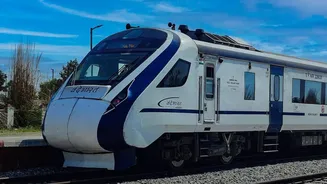
In the age of smartphones, every passenger is a potential food critic. Social media platforms frequently feature posts from travellers on Indian Railways, and the premium Vande Bharat trains are no exception. These posts range from glowing reviews to
sharp criticisms, often going viral and shaping public perception. Incidents involving oily food, debates over packaging safety, and even discoveries of insects have previously put Vande Bharat catering under a microscope. Each time, the posts spark a nationwide conversation about the standards of onboard meals, with Indian Railway Catering and Tourism Corporation (IRCTC) often issuing public responses and sometimes taking action, such as fining service providers. These viral moments highlight individual experiences, but they also raise questions about the consistency and quality control across a massive network that serves millions.
What's Actually on the Inaugural Menu?
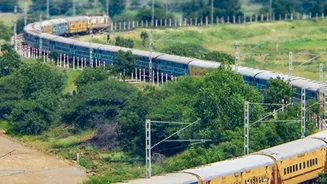
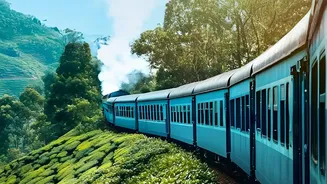
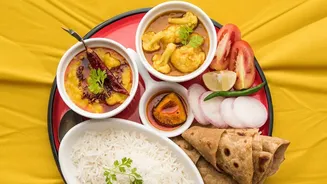
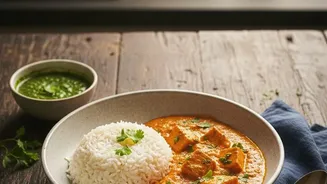
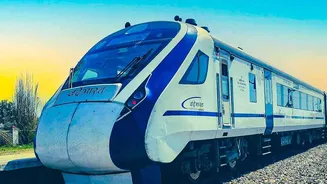
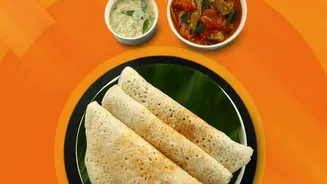
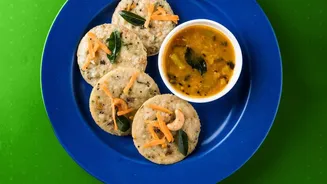
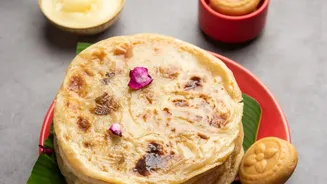
Contrary to some critical posts about Vande Bharat meals on other routes, initial reports from the new Bengaluru-Goa service have been largely positive. According to vloggers and passengers on the inaugural run, which began commercial operations on November 15, 2026, the food was a highlight. The catering, managed by the popular South Indian restaurant chain Adyar Ananda Bhavan (A2B), featured a thoughtful spread. Meals included items like paneer curry, puran poli (a sweet flatbread also known as holige), South Indian-style rice, vegetable preparations, curd, and papad. Passengers in videos praised the quality, with the paneer curry and the authentic taste of the rice earning special mentions. The inaugural service also included commemorative tags and souvenirs, adding to the positive experience.
One Meal vs. a Rotational Menu
It is crucial to understand that the meal served on one day, especially an inaugural run, is not necessarily the permanent menu. IRCTC typically operates on a cyclic or rotational menu basis for its trains to offer variety. The menu also differs based on the time of day—breakfast, lunch, dinner, or evening snacks—and the class of travel, with Executive Class often receiving a more elaborate service. Furthermore, there has been a conscious effort by Indian Railways to incorporate regional flavours into Vande Bharat services. Following feedback in Parliament about a predominance of North Indian dishes on some southern routes, the Railway Minister confirmed that a program to introduce local cuisine is being expanded nationwide. This means the menu on the Bengaluru-Goa route is likely to evolve and feature a mix of local Konkani, Goan, and Karnataka delicacies in its regular rotation.
The Bigger Picture of Railway Catering
Supplying quality, hygienic, and consistent meals to thousands of passengers on a moving train is a massive logistical challenge. IRCTC manages this vast operation by contracting services to various vendors and service providers. While there are quality control mechanisms in place, lapses can and do occur, as evidenced by past incidents on other routes that led to penalties and even contract terminations. The Railways has stated that all cooked meal packets must have a QR code with details like the kitchen's FSSAI license, date of packing, and item details. However, the system relies on both internal checks and passenger feedback. While a viral video brings instant attention, the most effective way for passengers to report issues is through official channels like the RailMadad portal or the helpline number 139. These formal complaints are logged and tracked, leading to documented inspections and actions against vendors if standards are not met.