





An Urban Oasis of Green and Calm
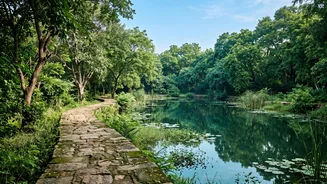
Officially known as Aditya Nath Jha Deer Park, this vast expanse is one of Delhi's most cherished green lungs. Spread over 60 acres, it's a sanctuary for morning walkers, families, and anyone seeking a break from the city's relentless pace. The park is a beautifully
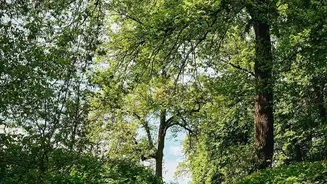
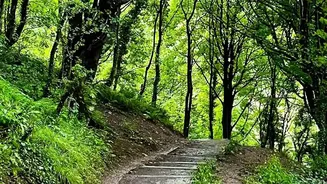
maintained ecosystem with rolling lawns, shaded pathways, a picturesque lake, and several historic tombs dotting the landscape. Unlike more manicured gardens, Deer Park retains a touch of wildness, making it feel like a genuine forest retreat within the metropolis. The atmosphere is peaceful, punctuated only by the sounds of birds and the rustling of leaves, offering a perfect setting for a leisurely stroll, a picnic, or quiet contemplation.
Wildlife in the City: The Deer and More
True to its name, the park's main highlight is a large, fenced enclosure where dozens of spotted deer (chital) roam freely. Visitors can observe these graceful creatures up close, a rare sight in a major city. The enclosure also houses rabbits and guinea pigs, making it a particular favourite for children. Beyond the deer, the park is a habitat for a variety of birdlife, including peacocks, and the lake is home to ducks and swans. This easy access to wildlife provides a unique connection to nature that few other places in Delhi can offer.
A Walk Through Delhi's Sultanate History
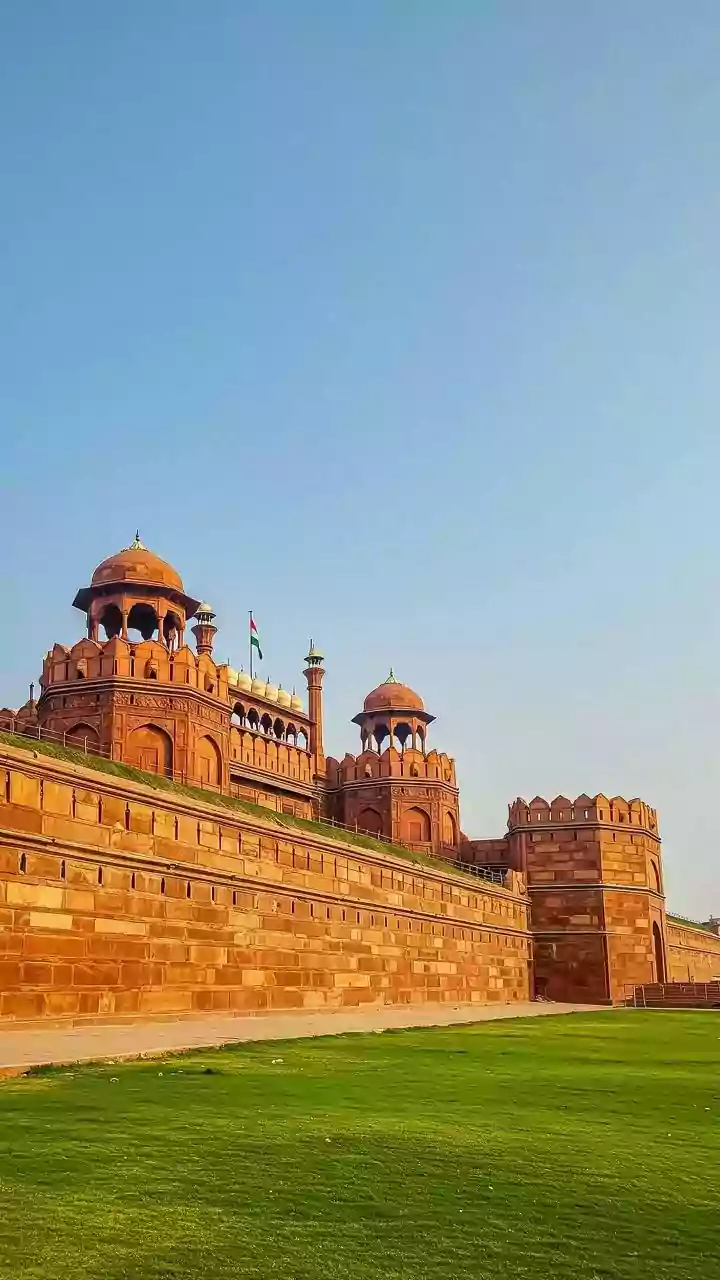
The park is intrinsically linked to the historic Hauz Khas Complex, which borders it. The name 'Hauz Khas' means 'royal tank', referring to the large water reservoir built by Sultan Alauddin Khilji in the 13th century. In the 14th century, Sultan Firoz Shah Tughlaq restored the tank and built a madrasa (an Islamic college), a mosque, and his own tomb along its edge. Today, these stunning, atmospheric ruins overlook the lake, offering incredible views, especially during sunrise and sunset. Exploring these stone pavilions and domed chambers feels like stepping back in time. The tomb of Firoz Shah itself is a simple but imposing structure, characteristic of Tughlaq architecture. The park also contains lesser-known tombs from the Lodi dynasty scattered amongst the trees.
Beyond the Park: Hauz Khas Village
Adjacent to the park is the trendy Hauz Khas Village, an urban hub that beautifully complements the natural tranquility next door. What was once a quiet settlement is now a maze of narrow lanes filled with chic cafes, independent boutiques, art galleries, and lively bars. Many restaurants and cafes feature rooftop seating that provides stunning views of the lake and the historical ruins. A visit to Deer Park can easily be combined with an afternoon of shopping or a relaxing evening meal in the village, making for a perfect half-day or full-day outing that covers history, nature, and contemporary culture.
Your Practical Guide to Visiting
Getting to Deer Park is straightforward. The nearest metro stations are Hauz Khas (on the Yellow and Magenta lines) and Green Park (on the Yellow line). From there, it's a short auto-rickshaw ride or a 10-15 minute walk to the park entrance. Entry to Deer Park is completely free. The park's timings vary slightly with the seasons: it is generally open from 5:00 AM to 8:00 PM in the summer and 5:30 AM to 7:00 PM in the winter. The best time to visit is during the cooler months from October to March. Early mornings are ideal for walks and birdwatching, while late afternoons offer golden light perfect for photography. Comfortable walking shoes are a must, as is a bottle of water, especially during warmer months.