




The Philosophy: Confidence Over Clutter
The move toward a single, substantial piece of furniture is rooted in a broader shift towards what designers are calling 'warm minimalism'. After years of stark, empty spaces, the 2026 aesthetic is about creating rooms that feel intentional, calm, and
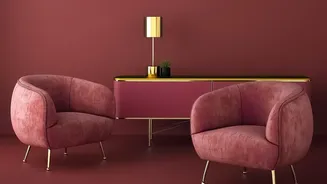
personal. Instead of filling a space with multiple items that can create visual 'chatter,' the idea is to select one 'anchor piece' that grounds the entire room. This approach isn’t about emptiness but about focus. A large, sculptural sofa or a monolithic dining table makes a confident declaration, instantly setting the tone and purpose of the space. It’s a deliberate choice that says 'less is more,' allowing for more breathing room and a less cluttered, more serene environment. This trend reflects a growing desire for homes to be sanctuaries from a busy world, prioritizing comfort and a sense of escape.
Choosing Your Anchor Piece
The 'one large piece' doesn't always have to be a sofa. While a deep-seated, plush sectional is a popular choice for its ability to offer immense comfort and social seating, other items can serve this role just as effectively. Consider a massive piece of artwork that covers a significant portion of a wall; it can act as a powerful focal point without taking up any floor space. In a dining area, a long, heavy wooden table can become the room's undisputed star. In the bedroom, a statement headboard or a large, beautifully framed mirror can anchor the space. The key is that the piece should have enough scale and presence to command attention and define the room's function. In 2026, the trend leans toward furniture with soft, curved lines and organic shapes, which create a welcoming and gentle feel, moving away from the hard edges of past minimalist styles.
Making It Practical in Any Space
The word 'practical' might seem at odds with 'large furniture,' especially in smaller homes, but the two can coexist beautifully. The secret lies in proportion and placement. A common mistake is thinking a small room requires lots of small furniture, which can often make it feel more cluttered. Conversely, one well-chosen large piece can make a small room feel grander by creating a clear, uncluttered focal point. To make it work, ensure there's ample 'negative space' around the item. Don't push it right up against a wall if you can avoid it; even a few inches of breathing room can make a difference. The rest of the decor should be minimal. Let the anchor piece shine. For a large sofa, opt for slim side tables or a floating shelf instead of bulky supporting furniture. For large art, make sure it is centred correctly at eye level (usually 57-60 inches from the floor) and relates to the furniture beneath it, such as a console or sofa.
Styling Around the Statement Piece
Once your anchor is in place, decorating the rest of the room becomes an exercise in restraint. The goal is to support the main feature, not compete with it. If you've chosen a sofa with a bold colour or texture, keep the surrounding walls, rug, and other furnishings in a neutral, soft palette. If your anchor is a large, rustic wooden table, complement it with lightweight chairs and simple dinnerware. Textures play a vital role in adding warmth without adding clutter. Use materials like natural fibres, linen, and soft wools in throws and cushions to soften the look. The other items in the room, from lamps to plants, should act as quiet supporting characters to your 'main character' piece. This approach ensures the room feels harmonious and intentional, rather than a collection of disparate items vying for attention.