


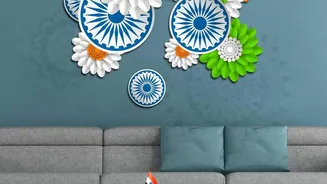
In today's world of mass-produced goods, a quiet revolution is taking place in Indian homes. Artisans are blending heritage with modern sensibilities, transforming age-old crafts into stunning statements for contemporary interiors.
A Renaissance of Authenticity
The movement towards
incorporating traditional crafts into modern homes is driven by a desire for authenticity and sustainability. Homeowners are increasingly looking for decor that tells a story, pieces that are not just beautiful but also carry the soul and skill of their maker. This shift is empowering artisan communities, creating new markets, and ensuring that centuries-old skills are not just preserved, but celebrated. By adapting to contemporary aesthetics—think streamlined designs, muted colour palettes, and new applications—crafts that were once at risk of disappearing are finding a vibrant new life.
Textiles: Woven with Modern Stories
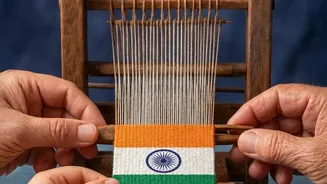
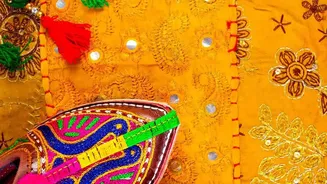
Indian textiles have always been a cornerstone of craft, and today they are being reimagined for the modern home. The flat-woven dhurrie, for example, once a functional floor covering, is now a design object prized for its geometric clarity and versatility. Artisans are experimenting with minimalist stripes and abstract patterns, making dhurries a perfect fit for contemporary rooms. Similarly, intricate block-printing techniques like Ajrakh from Kutch and Kalamkari from Andhra Pradesh are moving from clothing to home furnishings. Their distinctive, hand-drawn patterns now adorn cushion covers, quilts, and even wall panels, adding a layer of texture and history to minimalist spaces.
Pottery and Ceramics: Earthy Elegance
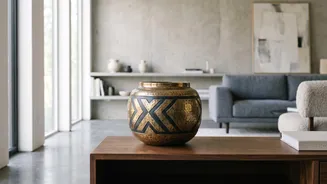
Pottery is another craft form undergoing a significant modern transformation. Jaipur's iconic Blue Pottery, known for its vibrant cobalt blue and Persian-inspired motifs, is a prime example. While traditionally used for ornate items, artisans now craft minimalist dinnerware, elegant vases, bathroom accessories, and decorative tiles that fit seamlessly into urban homes. This craft, which uses a unique quartz-based dough instead of clay, offers a functional versatility that makes it highly adaptable. Similarly, earthy terracotta and rustic ceramics are being shaped into contemporary lamps, planters, and sculptural accents that add warmth and a tactile quality to interiors.
Metal and Wood: Sculptural and Sleek
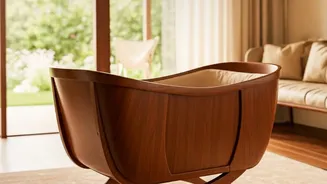
The robust traditions of Indian metalwork and woodcarving are also finding new expression. The lost-wax casting technique of Dhokra from regions like Bastar is being used to create sleek figurines and decorative objects that act as striking focal points. Brass, a material deeply rooted in Indian homes, is being transformed from traditional vessels into sculptural planters, statement lamps, and minimalist wall art. Woodcraft is following a similar path. The brightly lacquered wood from Channapatna, once used primarily for toys, is now being turned into contemporary bowls, light fixtures, and home accessories. Artisans are moving beyond heavy, ornate carvings to create furniture with clean lines and subtle traditional details, like jali-inspired panels on modern headboards.
Bamboo and Cane: A Sustainable Shift
As sustainability becomes a key factor in design, natural materials like bamboo and cane are gaining prominence. Artisans, particularly in the Northeast, are using these fast growing resources to create items that are both eco friendly and stylish. Traditional weaving techniques are being applied to make contemporary pendant lights, room dividers, and storage baskets. These pieces not only bring an organic earthy vibe to a space but also diffuse light beautifully creating a warm and inviting atmosphere. This focus on sustainable materials is redefining luxury proving that modern design can be both beautiful and responsible.