

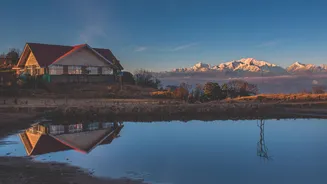
Sikkim in November offers crisp air, stunning mountain views, and a tranquil escape. But to truly enjoy this Himalayan jewel, a little preparation is key. Here’s a guide to navigating the essentials and a six-day plan to experience it all.
First Things First: Weather and Road Checks
November in
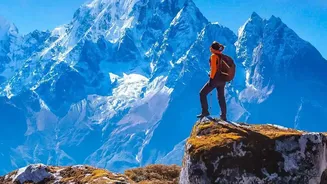
Sikkim marks the beautiful transition from autumn to winter. You can expect clear skies, bright and sunny days, and the best chances for unobstructed views of the mighty Kanchenjunga. However, temperatures vary greatly with altitude. While Gangtok is pleasant and cool during the day (around 10-15°C), nights get chilly, dropping to 5°C or lower. Higher altitude destinations like Tsomgo Lake can be significantly colder, with a chance of early winter snow. The monsoon has passed, meaning road conditions are generally stable, making it one of the best times for travel. Still, the Himalayan terrain is unpredictable. Always check the latest road status before you travel, especially for high-altitude routes. The official Sikkim Tourism website and local tour operators are reliable sources for daily updates.
Essential Permits You Cannot Ignore
While Indian citizens do not need a permit to enter Sikkim or visit places like Gangtok, Pelling, and Namchi, many of the state’s star attractions require a Protected Area Permit (PAP). This applies to the excursion to Tsomgo Lake and Baba Mandir. A separate permit is needed for Nathula Pass, which is open only to Indian citizens on specific days and can be closed at short notice. These permits are typically arranged by registered local travel agencies a day or two in advance. You will need to provide valid photo ID (like a Passport, Voter ID, or Driving License; Aadhaar is often not sufficient for these permits) and passport-sized photographs for all travelers. It's crucial to have these documents ready to ensure a smooth process. Foreign nationals require a Restricted Area Permit (RAP) to enter Sikkim itself, plus a PAP for protected areas, arranged through a registered operator.
Day 1: Arrival in Gangtok and MG Marg
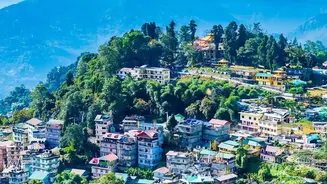
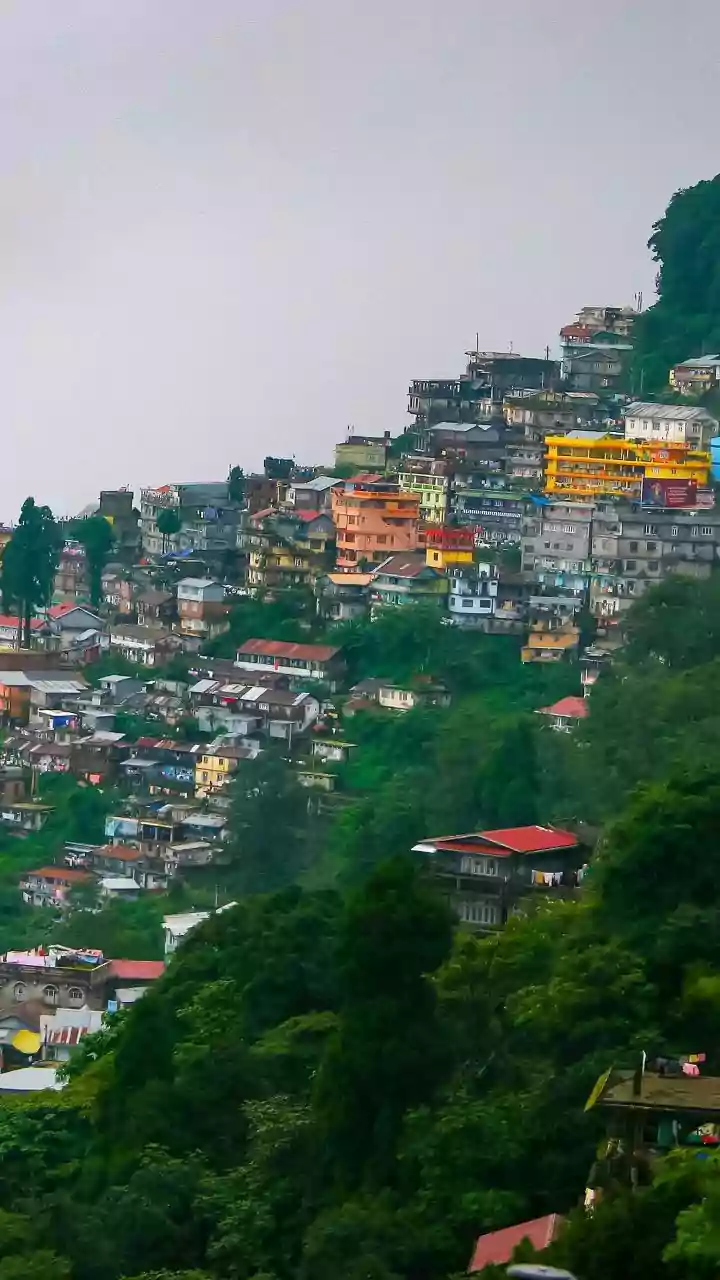
Your journey begins with your arrival at Bagdogra Airport (IXB) or New Jalpaiguri Railway Station (NJP). From there, a scenic 4-5 hour drive along the Teesta River will bring you to Gangtok, Sikkim's capital. After checking into your hotel, take a leisurely stroll down the famous MG Marg. This vibrant, vehicle-free promenade is the heart of the city, lined with cafes, restaurants, and shops, making it the perfect place to acclimatize and soak in the local atmosphere.
Day 2: Gangtok's Monasteries and Viewpoints
Dedicate your second day to exploring the cultural and scenic highlights of Gangtok. Start with a visit to the Rumtek Monastery, a vast and significant Tibetan Buddhist complex. Continue to the Enchey Monastery, Ganesh Tok, and Hanuman Tok for spiritual vibes and stunning panoramic views of the city and surrounding hills. Don't miss the Tashi Viewpoint, which offers breathtaking vistas of the Kanchenjunga range on a clear day. A ride on the Gangtok Ropeway can provide another spectacular perspective of the valley.
Day 3: An Excursion to Tsomgo Lake and Baba Mandir
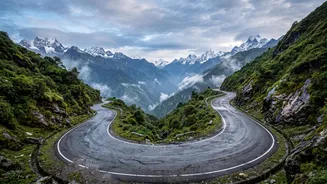
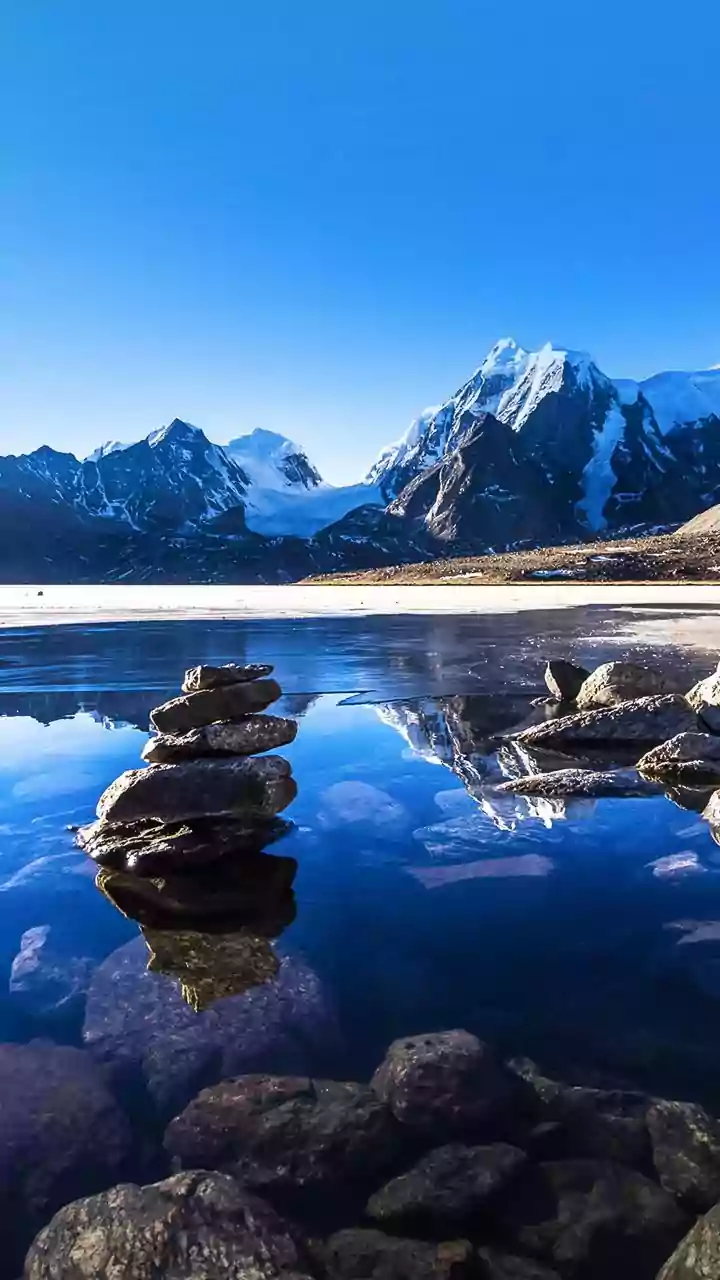
Prepare for a high-altitude adventure with a day trip to the glacial Tsomgo Lake, also known as Changu Lake, situated at about 12,400 feet. The journey itself is dramatic, with winding roads offering incredible mountain scenery. The lake, which freezes in winter, is considered sacred by the local people. A short distance away is the Baba Mandir, a shrine dedicated to a soldier, Harbhajan Singh. This excursion requires the Protected Area Permit, so ensure your tour operator has arranged it. Due to the high altitude, it’s advisable to move slowly and stay hydrated.
Day 4: Scenic Drive to Pelling in West Sikkim
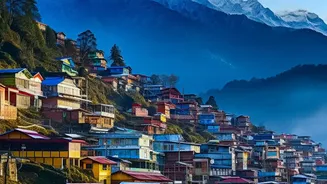
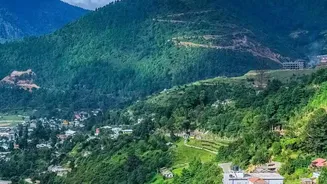
After breakfast, embark on the 5-hour drive to Pelling in West Sikkim. The journey is a visual treat, winding through hills and offering different landscapes. Some itineraries include a stop at the Buddha Park in Ravangla or the Char Dham complex in Namchi en route. Pelling is renowned for its unparalleled, direct views of the Kanchenjunga massif. Upon arrival, check into your hotel and spend the evening relaxing, perhaps watching the alpenglow on the snowy peaks as the sun sets.
Day 5: Pelling's History and Natural Wonders
Pelling is a treasure trove of history, culture, and natural beauty. Begin your day at the Pemayangtse Monastery, one of the oldest and most important in Sikkim. From there, take a short walk to the Rabdentse Ruins, the remnants of the former capital of the Kingdom of Sikkim, which offers a fascinating glimpse into the state's history. Later, visit the sacred Khecheopalri Lake, a wish-fulfilling lake hidden in the forest, and the spectacular Kanchenjunga Waterfall. The Pelling Skywalk offers a thrilling walk with magnificent views.
Day 6: Departure from the Land of Mountains
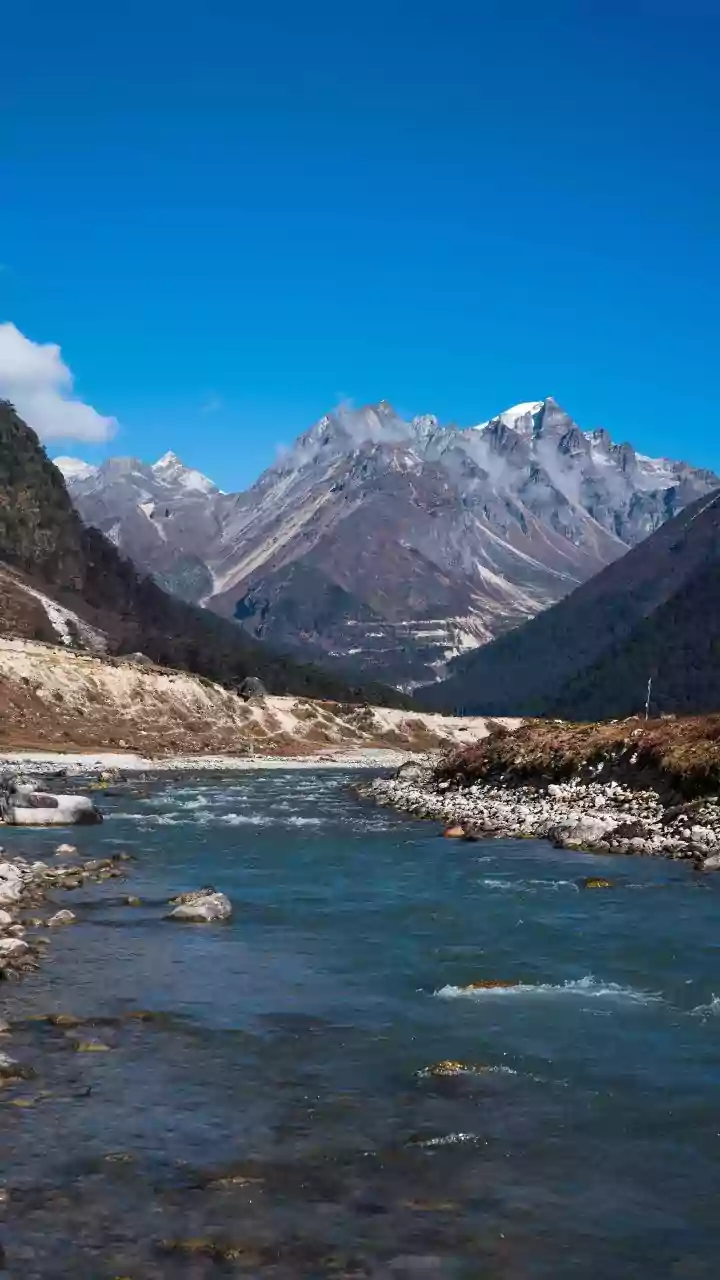
After a final breakfast with views of the Himalayas, it's time to begin your journey back. The drive from Pelling to Bagdogra or NJP takes approximately 6-7 hours. You'll carry with you memories of serene monasteries, sacred lakes, and the majestic presence of the world's third-highest peak. This itinerary provides a balanced taste of East and West Sikkim, combining culture with breathtaking nature. For those with more time, a journey to North Sikkim's Yumthang Valley would require an additional 2-3 days.