






Prioritise Safe Drinking Water
Water-borne diseases like cholera, typhoid, and gastroenteritis are rampant during the monsoon due to the high risk of water contamination. [3, 11] The simplest hack is to avoid drinking water from any unverified source. Always drink boiled or filtered
water to ensure it's free from harmful microorganisms. [8, 22] Boiling water for at least 10-15 minutes is an effective way to kill most pathogens. [23] When you're out, carry your own water bottle or purchase sealed, packaged water. [22] It's also wise to be cautious of street-side drinks and juices, as the water and ice used may be contaminated. [6, 26]
Be Smart About Food Choices
The high humidity can cause food to spoil faster and encourages bacterial and fungal growth. [8, 26] While street food is tempting, it's best to be cautious. [22] If you do indulge, opt for freshly prepared, hot meals rather than items that have been sitting out. [26, 27] Avoid raw or pre-cut foods like salads and fruits from vendors, as they may be washed in contaminated water. [19, 22] At home, wash all fruits and vegetables thoroughly, perhaps by soaking them in salt or vinegar water for extra cleaning. [8, 19] Eating fresh, home-cooked meals is your safest bet. [6, 10]
Keep Mosquitoes at Bay
The monsoon is peak season for mosquito-borne diseases like dengue, malaria, and chikungunya. [7, 11] Mosquitoes breed in stagnant water, so the most effective prevention is to eliminate breeding grounds around your home. [9] Regularly empty and clean water from coolers, flower pots, and any other containers. [14, 18] Use mosquito repellents, wear full-sleeved clothing to minimise skin exposure, and sleep under a mosquito net. [7, 9] Installing mesh screens on windows and doors can also provide a physical barrier against these pests. [14]
Boost Your Immunity Naturally
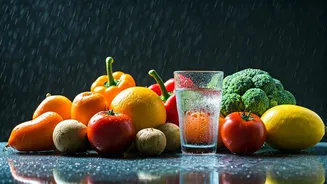
A strong immune system is your best defence against seasonal infections. [16, 21] Incorporate immunity-boosting foods into your diet. [12] Foods rich in Vitamin C, like citrus fruits, amla, and guava, help your body fight infections. [20, 24] Spices found in most Indian kitchens, such as turmeric, ginger, and garlic, have powerful anti-inflammatory and antibacterial properties. [12, 20] Drinking herbal teas or a homemade kadha can also help. [13, 25] Ensure you get adequate sleep and engage in some form of regular exercise, even if it's indoors, to keep your immune system strong. [12, 20]
Maintain Personal and Environmental Hygiene
Practising good hygiene is crucial. Wash your hands frequently with soap and water, especially before meals and after coming in from outside. [10, 22] Dampness can lead to fungal infections, so it's important to stay dry. [6] Change out of wet clothes and shoes immediately. [6, 15] Pay special attention to your feet, washing and drying them thoroughly if you've walked through puddles. [6] Keeping your home and surroundings clean also reduces the overall risk of contracting infections. [5, 17]
Don't Ignore Warning Signs
Despite taking precautions, you might still fall ill. It's important to listen to your body and not ignore persistent symptoms. Common signs of monsoon-related illnesses include high fever, severe headache, muscle and joint pain, chills, and stomach issues. [4, 5, 7] If you experience symptoms like these, it is best to seek medical attention promptly. [3, 5] Early diagnosis and treatment are key to preventing complications and ensuring a speedy recovery. Avoid self-medication, as it can sometimes worsen the condition. [5]