

A New Global Moon Rush
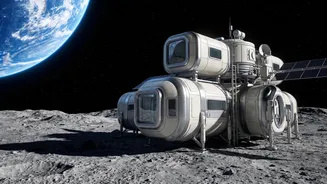
Humanity's return to the Moon is taking shape through two major, competing visions. The first is the US-led Artemis program, which aims to establish a sustainable human presence on and around the Moon. India solidified its role in this effort by becoming
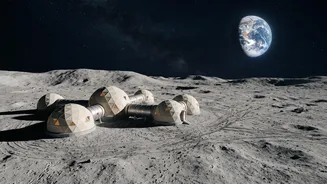
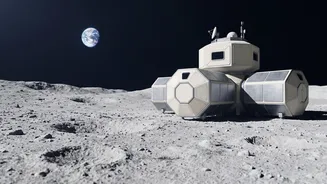
a signatory to the Artemis Accords, a set of principles for cooperation in civil space exploration. This aligns India with NASA and other partner nations in a collaborative approach to lunar development. On the other side is the International Lunar Research Station (ILRS), a joint initiative by China and Russia. This project also envisions a permanent base on the Moon and has extended invitations for international collaboration. Recent reports even suggest discussions about India potentially collaborating with the ILRS on a lunar nuclear power plant, highlighting the complex geopolitical landscape of space exploration. Both ambitious projects signal that the era of temporary lunar visits is over, replaced by a strategic push to build lasting infrastructure.
The Skills Needed to Build on the Moon
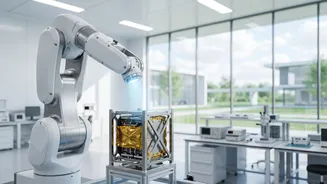
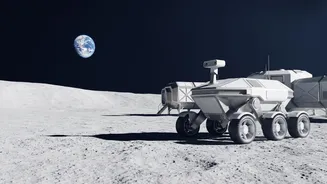
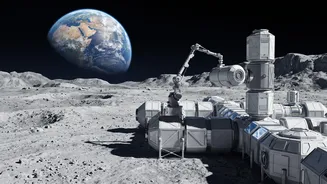
Constructing a habitat on the Moon is one of the greatest engineering challenges ever conceived. It's not just about building structures; it's about creating a self-sustaining ecosystem in a hostile environment. This requires a specific and advanced skillset. Robotics and automation will be paramount for tasks like construction, resource extraction from the lunar soil (regolith), and maintenance, especially in the early, uncrewed phases. Advanced engineering is crucial for designing life support systems, radiation shielding, power generation (both solar and nuclear), and air-tight habitats. Materials science will play a key role in developing lightweight but durable construction materials and mastering in-situ resource utilization (ISRU), which means using lunar resources like regolith to 3D-print structures and extract water ice. Finally, deep scientific expertise is needed to study the lunar environment, manage resources, and ensure human health and safety.
India's Proven Prowess in Space
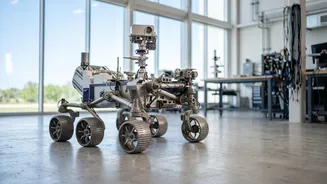
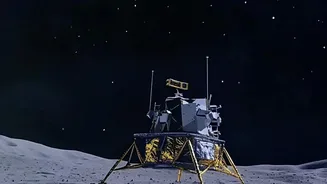
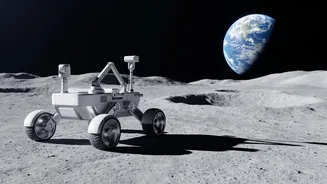
India, through the Indian Space Research Organisation (ISRO), has systematically built a world-class space program renowned for its innovation and cost-effectiveness. The Chandrayaan missions are a prime example. Chandrayaan-1 first discovered water molecules on the Moon, a game-changing finding for future habitats. The historic success of Chandrayaan-3, which made India the first nation to soft-land near the lunar south pole, demonstrated exceptional capabilities in precision navigation, autonomous landing, and robotics. The Pragyan rover's operations, guided by AI to navigate treacherous terrain and conduct on-the-spot elemental analysis, showcased the exact kind of robotic and scientific skills needed for future lunar surface missions. This success was not a fluke; it was built on a 'failure-based-design' philosophy that rigorously tested systems to handle unexpected challenges, proving ISRO's mature engineering processes.
The Road Ahead: From Skills to Partnership
India's ambitions extend far beyond robotic missions. ISRO has a clear roadmap that includes a crewed lunar landing by 2040 and the establishment of a permanent lunar outpost by 2047. Future missions like Chandrayaan-4 (a sample return mission) and Chandrayaan-5 (a joint exploration with Japan) are designed to build capability step-by-step. By joining the Artemis Accords, India has ensured its technologies and protocols are aligned with a major international framework, avoiding isolation and opening doors for deeper collaboration. This positions India's vast pool of engineers, software developers, and scientists not just as participants but as potential leaders in specialized areas. Whether it's developing the AI for autonomous construction bots, designing robust life-support systems, or managing the complex logistics of a lunar base, Indian expertise could become indispensable.