





What Exactly Is Ambali?
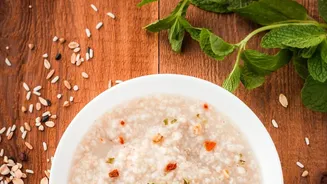
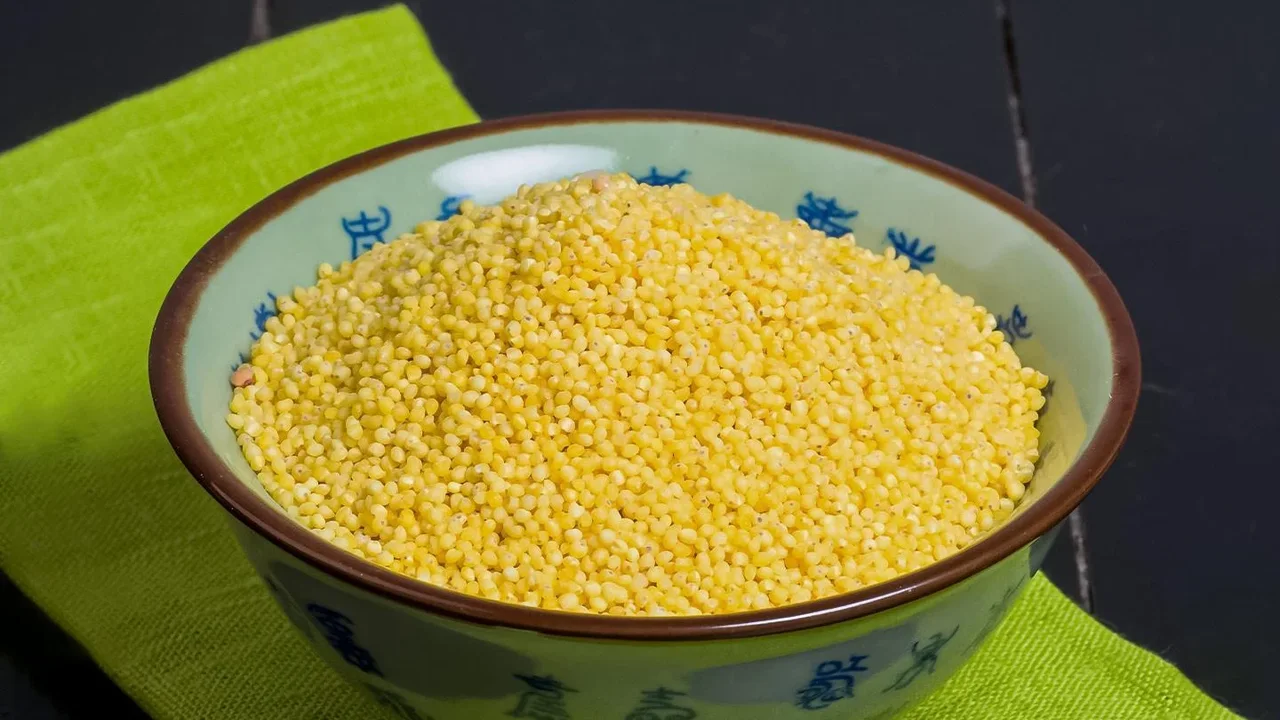
Ambali, also known as Ragi Ambali or Ragi Ganji, is a traditional beverage originating from South India, particularly popular in states like Karnataka, Andhra Pradesh, and Tamil Nadu. At its heart, it is a simple porridge made from finger millet (ragi)
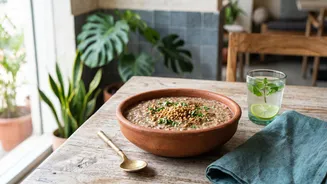
flour. The process typically involves cooking the ragi flour with water to form a paste. This paste is then allowed to ferment, often overnight. It is this fermentation that gives Ambali its characteristic slightly sour, tangy flavour and unlocks many of its health benefits. The final drink has a smooth, slightly thick consistency and can be served in two ways: a savoury version mixed with buttermilk, salt, chopped onions, and spices, or a sweet version with jaggery and milk.
A Journey from Rural Staple to Urban Trend
For generations, Ambali was considered a rustic staple, the go-to fuel for farmers and laborers to start their day. Its cooling properties made it a perfect antidote to the scorching summer heat. But now, this traditional powerhouse is experiencing a renaissance. The renewed interest in millets, spurred by initiatives like the UN's 'International Year of Millets' in 2023, has played a significant role. Consumers are increasingly looking for homegrown, nutrient-dense foods, and cafes are responding. What was once a farmer's breakfast is now being positioned as a premium wellness drink, appearing on the menus of health-conscious cafes in major metropolitan areas. This shift reflects a broader movement towards embracing and celebrating India's rich culinary heritage in modern, accessible formats.
The Probiotic Powerhouse
The main driver behind Ambali's newfound fame is its impressive health profile, centered around fermentation. This natural process turns the simple ragi porridge into a potent probiotic drink, rich in beneficial gut bacteria like those found in yogurt. These probiotics are essential for maintaining a healthy gut microbiome, which can improve digestion, boost immunity, and reduce inflammation. Furthermore, fermentation helps break down antinutrients like phytic acid present in the millet. This process enhances the body's ability to absorb the rich reserves of calcium, iron, and other essential minerals found in ragi, making the drink even more nutritious.
A Taste Guide for the Uninitiated
For those who have never tried it, Ambali offers a unique flavour profile. The savoury version, which is the one most commonly found in cafes, is tangy, earthy, and light. Imagine a thinner, more complex version of chaas or buttermilk, with the nutty undertones of ragi. The fermented base provides a pleasant sourness that is balanced by the saltiness and the fresh, sharp bite of raw onions, ginger, and green chillies that are often mixed in. It’s a refreshing drink that feels both nourishing and hydrating, without the heaviness of a smoothie or the sugary rush of a packaged juice.
More Than Just a Trend
The rise of Ambali is more than just a passing fad; it signals a deeper shift in consumer consciousness. Urban Indians are actively seeking out 'superfoods' from their own backyards, valuing authenticity and nutritional benefits over foreign labels. Ragi itself is a powerhouse, being naturally gluten-free, rich in fibre, and having a low glycemic index, which helps in managing blood sugar levels. As this quest for wellness continues, we are likely to see more traditional Indian foods and drinks, from Solkadhi to Kanji, making their way from home kitchens to trendy cafe menus, celebrating the time-tested wisdom of Indian culinary traditions.