


Know the Ingredients to Avoid
Before you clean, it’s crucial to know what makes many common cleaners hazardous. Pets are more vulnerable to toxic chemicals because they are closer to the ground, can inhale fumes that settle low, and often lick their paws after walking across a surface.
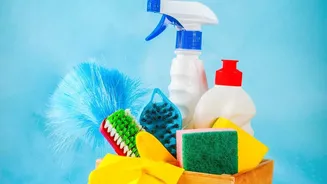
Key ingredients to avoid in floor cleaners include ammonia, chlorine (bleach), formaldehyde, phenols, and quaternary ammonium compounds (often listed as 'quats'). These substances can cause everything from respiratory distress and skin irritation to more severe internal issues if ingested. Marketing terms like "pet-friendly" are not legally regulated, so reading the ingredient list yourself is the only way to be sure a product is safe.
Embrace the Power of Steam
One of the most effective ways to deep clean and sanitize floors without any chemicals is by using a steam mop. Steam cleaners use only water heated to a high temperature, which kills up to 99.9% of bacteria and germs. The heat effectively breaks down grime, dirt, and even sticky residue left by pet drool or spills. A major advantage for pet owners is that the floors dry almost immediately, eliminating the problem of wet paw prints and the risk of pets slipping or licking up puddles. Steam is safe for most sealed hard surfaces like tile, vinyl, and sealed hardwood, but you should always check your flooring manufacturer's recommendations and avoid using it on unsealed wood.
Master the Dry and Damp Mop Methods
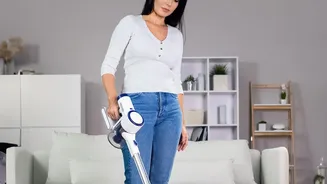
The first line of defense should always be dry. Regular sweeping and vacuuming are essential for managing pet hair and dander. Using a microfiber dust mop with electrostatic action can be incredibly effective at trapping fur and allergens before you even introduce moisture. When you do need to mop, opt for a “damp mop” technique instead of a soaking wet one. A spray mop with a washable microfiber pad allows you to control the amount of liquid, ensuring the floor dries in moments. This method prevents pets from walking through puddles of cleaning solution. For the solution itself, a simple mixture of water and a small amount of a pet-safe cleaner is all you need.
Create Your Own Pet-Safe Solutions
For a truly safe and cost-effective approach, you can make your own cleaning solutions. A popular and effective recipe for most floor types (except natural stone) is a simple mixture of equal parts white vinegar and water. Vinegar's acetic acid helps to cut through grease and grime. For a bit more cleaning power, you can add a few drops of unscented, plant-based castile soap. To deodorize carpets, sprinkle baking soda, let it sit for about 15-30 minutes to absorb odors, and then vacuum it up thoroughly. Always avoid essential oils in your homemade cleaners, as many are toxic to pets, especially cats.
A Safe Cleaning Routine
Even with the safest products, the best practice is to keep pets out of the area while you clean. Clean one room at a time, allowing the floor to dry completely before letting your pet back in. This simple step is the most foolproof way to prevent any exposure. After cleaning, be sure to wash your mop pads, cloths, and any other tools to avoid re-spreading dirt and bacteria on your next cleaning session. Keeping your pet well-groomed with regular brushing can also significantly reduce the amount of fur and dander that ends up on the floors in the first place.