



From Touchdown to Takeoff
The next major mission, named Chandrayaan-4, is a lunar sample return mission. Unlike its predecessor, which conducted experiments on the lunar surface, Chandrayaan-4's goal is to collect lunar soil and rock (regolith) and return it to Earth for in-depth
analysis. If successful, India will join an exclusive club of nations — after the United States, the former Soviet Union, and China — that have accomplished this monumental feat. This isn't just a sequel; it's a significant escalation in complexity. A landing mission is a one-way trip, but a sample return requires a round trip, including launching a vehicle from the Moon itself, a technology India has never demonstrated before.
The Scientific Treasure Hunt
Bringing lunar samples to Earth opens up a new dimension of scientific discovery. While rovers provide valuable on-site data, terrestrial laboratories are equipped with far more powerful and sophisticated instruments. Scientists will be able to scrutinize the regolith for clues about the Moon's origin, its geological evolution, and the history of the solar system. A key target will be the south polar region, where Chandrayaan-3 landed. This area is believed to hold vast quantities of water ice in permanently shadowed craters. Analyzing these frozen volatiles could reveal their origins — whether from comets, asteroids, or solar wind — and assess their potential as a resource for future lunar bases.
A Symphony of Complex Manoeuvres
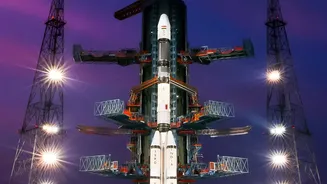
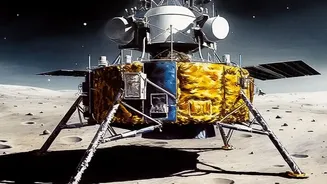
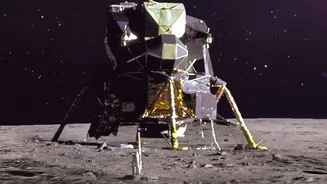
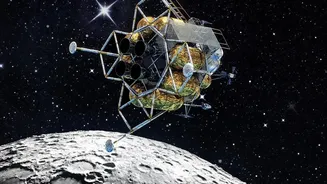
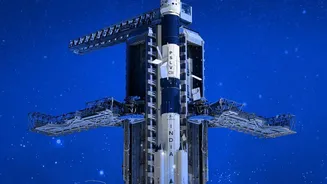
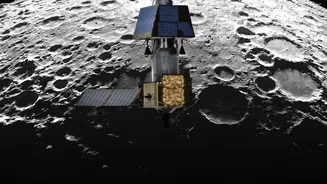
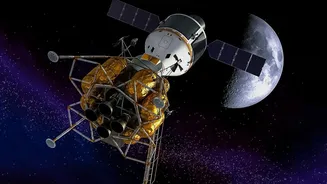
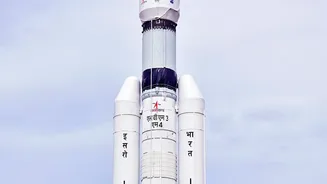
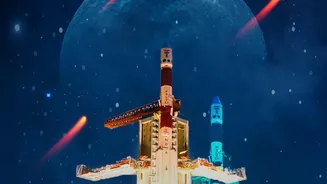
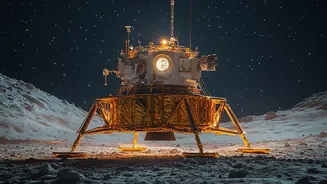
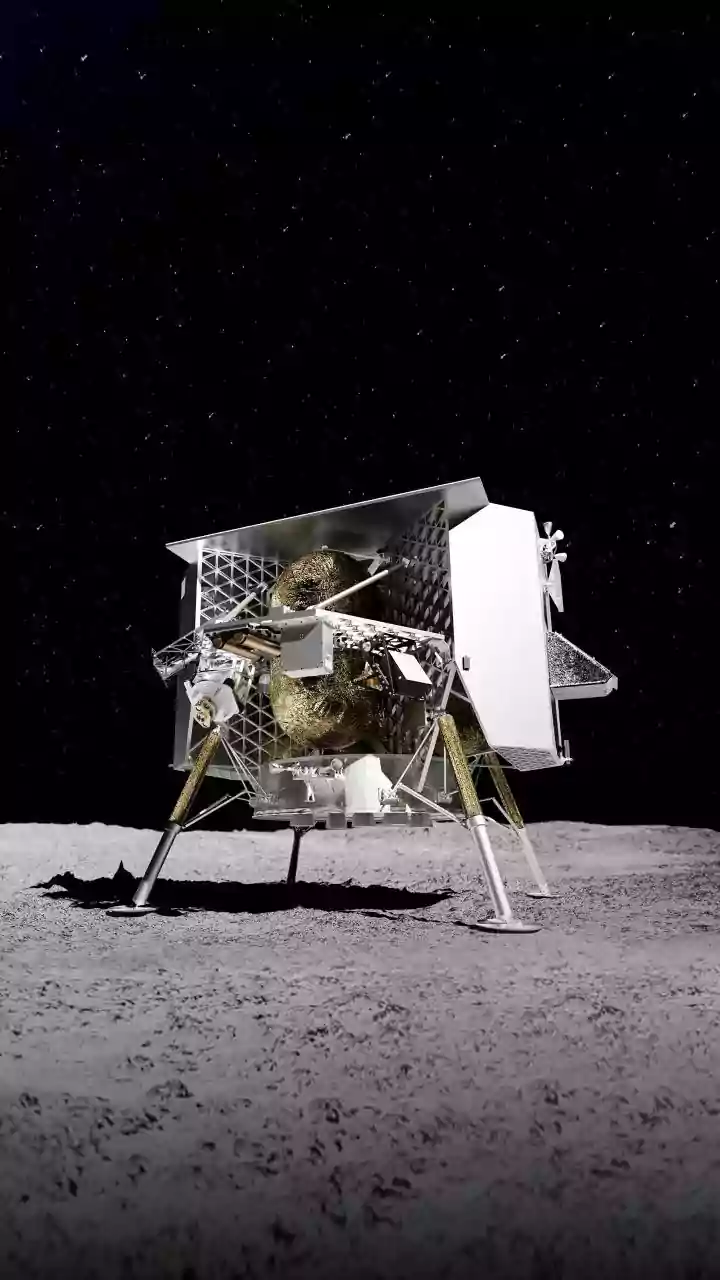
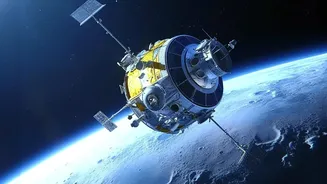
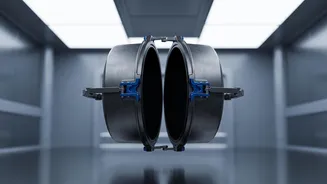
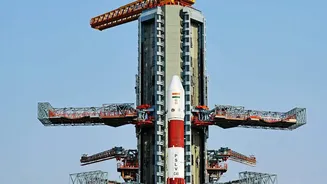
Chandrayaan-4 is arguably one of the most complex missions ISRO has ever conceived. The architecture involves five separate spacecraft modules that will be launched on two of India's heaviest rockets, the LVM3. These modules must first dock in Earth's orbit to form a single integrated stack before journeying to the Moon. Once in lunar orbit, a lander will separate and perform a soft landing. A robotic arm will then collect surface samples, while a drill will extract subsurface material. The most critical phase follows: an ascender module will blast off from the lunar surface, rendezvous and dock with the orbiting transfer module, transfer the precious cargo, and begin the long journey home for a fiery, high-speed re-entry into Earth's atmosphere.
Paving the Way for a Lunar Future
Chandrayaan-4 is more than just a single mission; it's a crucial stepping stone in India's long-term space strategy. The technologies being developed and validated — particularly robotic transfer, automated docking in orbit, and re-entry systems — are foundational for future, more ambitious endeavours. This mission is a direct precursor to achieving the national goal of a crewed lunar landing by 2040. Furthermore, it aligns with ISRO's plans for the Bharatiya Antariksha Station, India's own space station slated to have its first module in orbit by 2028. By mastering these capabilities, India is not just exploring space but is actively building the infrastructure for a sustained presence.