





The Anatomy of a Dark Store
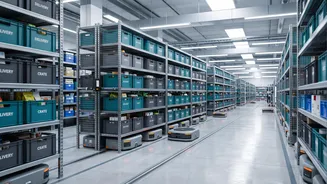
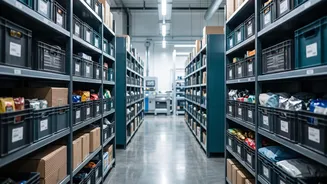
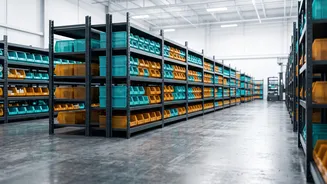
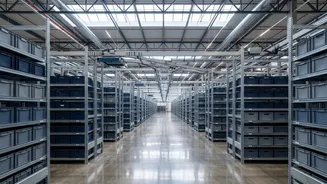
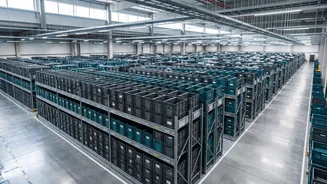
Before diving into why Bengaluru is the epicentre, it's crucial to understand what a dark store is. Unlike a regular supermarket, you can't walk into one. These are small, windowless warehouses, typically 2,500 to 5,000 square feet, strategically located
in dense residential neighbourhoods. Their sole purpose is to fulfil online orders at lightning speed. Aisles are optimised for pickers, not shoppers, and inventory is managed by sophisticated software that tracks top-selling items. This model is the backbone of quick commerce (q-commerce), an industry promising deliveries within 10 to 30 minutes, which has fundamentally reshaped urban retail. The competitive advantage isn't just a slick app; it's the physical density of these fulfilment hubs. If a store is within two kilometres of a customer, 10-minute delivery is possible; if not, it's merely an empty promise.
Bengaluru: The Undisputed Dark Store Capital
The headline's claim holds true: Bengaluru is India's undisputed dark store capital. As of mid-2026, the city was home to over 735 dark stores, significantly more than other major metros like Delhi (531) and Hyderabad (484). This accounts for over 11% of India's entire dark store network being concentrated in a single city. The density is even more striking, with Bengaluru having nearly three times the national average of dark store space per person. This intense concentration isn't accidental. It's a calculated strategy driven by a 'perfect storm' of factors: a high concentration of tech-savvy, dual-income households who value time over money; infamous traffic that makes a quick trip to the local shop an ordeal; and a hyper-competitive market where major players like Blinkit, Zepto, and Swiggy Instamart are all headquartered or have a massive presence. Neighbourhoods like Koramangala, HSR Layout, and Whitefield now have some of the densest dark store coverage in Asia.
The Tech and Logistics Powering Speed
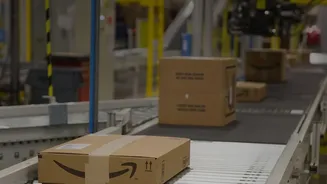
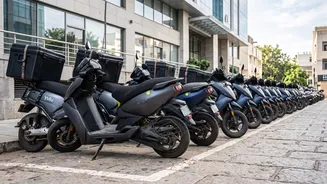
The 10-minute promise is a marvel of logistics, powered by data and technology. Artificial intelligence and machine learning algorithms predict demand patterns, ensuring each dark store stocks exactly what its neighbourhood is likely to order, from ice cream to onions. When an order is placed, an order management system routes it to the nearest dark store. Inside, pickers follow optimised paths to grab items, while outside, route-optimisation software guides delivery riders through the most efficient path, dodging traffic in real time. This entire process, from tap to doorbell, is a high-stakes race against the clock. The major q-commerce platforms—Blinkit, Swiggy Instamart, Zepto, and more recently, Flipkart Minutes and BigBasket—are in an arms race, not just for customers but for prime real estate, as store location is the primary strategic variable.
Reshaping the Urban Landscape
The dark store boom is visibly and invisibly reshaping Bengaluru. It has created a new, lucrative segment in the commercial real estate market. Landlords in key areas can now earn 30-40% higher returns leasing to q-commerce companies than to traditional retailers. Ground-floor spaces in residential colonies, once considered secondary real estate, are now premium zones. This has driven up rental prices by as much as 25% in high-demand localities. However, this expansion also brings challenges. Residents in some dense areas have started complaining about increased traffic from delivery fleets and the noise from 24/7 operations. Furthermore, the model faces regulatory scrutiny over whether these stores comply with FDI rules for e-commerce, a legal grey area that policymakers are beginning to examine more closely.
The People Behind the Promise
The q-commerce explosion has created a massive new employment category. Bengaluru's dark stores employ thousands of pickers, packers, and managers, with entry-level roles paying between ₹14,000 and ₹22,000 per month. It has also spurred a surge in gig work for delivery riders. While this creates jobs, it also raises questions about sustainability. The high-pressure environment, with its intense focus on speed, can lead to employee burnout. Meanwhile, the convenience of 10-minute delivery comes at a cost for traditional retailers. Local kirana stores, unable to compete with the pricing and speed of venture-funded platforms, have seen declining footfall and sales, with some estimates pointing to significant economic distress for small shopkeepers. This creates a complex socio-economic trade-off between modern convenience and the preservation of neighbourhood commerce.