



Meet Bindaetteok: A Different Kind of Pancake
Known in Korea as Bindaetteok or Nokdujeon, this beloved dish sets itself apart from the fluffy, sweet pancakes of a weekend brunch. Its foundation isn’t flour, but rather dried, peeled and split mung beans. These beans are soaked, often overnight, and then
ground into a slightly coarse, creamy batter. This unique base is what gives the pancake its signature substantial texture and nutty flavour. Unlike wheat-based pancakes, Bindaetteok is naturally gluten-free and packed with protein, making it a satisfying and hearty meal or snack.
A Humble and Heartwarming History
Bindaetteok's origins are rooted in humility and community. Records show the dish dates back centuries in Korea, originating in the northern Pyongan Province. During the Joseon Dynasty, it was known as 'binjatteok,' or "pancake of the poor." In times of famine or hardship, wealthier families would distribute these nutritious pancakes to those in need. What began as a means of charity evolved into a cherished comfort food for all, enjoyed by commoners and presidents alike, and a staple at traditional markets like Seoul's famous Gwangjang Market.
The Anatomy of the Crunch
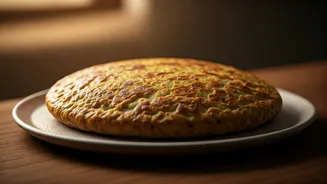
The true genius of Bindaetteok lies in its texture. The magic starts with the mung bean batter, which is sometimes mixed with a little glutinous rice for extra chewiness. The real textural symphony, however, comes from the fillings. Traditional recipes are generously studded with ingredients like crunchy mung bean sprouts, tangy aged kimchi, savoury bits of pork or beef, and fresh scallions. Some recipes also include gosari (fernbrake) for an added earthy depth. The secret to achieving that coveted crispy exterior is frying the thick batter in a generous amount of oil, traditionally pork lard for an even richer flavour. This shallow-frying technique ensures the pancake becomes deeply golden and crunchy on the outside while the inside steams to a soft, tender finish.
More Than Just a Street Food Staple
While you can find vendors expertly frying up huge batches of Bindaetteok at bustling street markets, its cultural significance extends into the home. It is a classic holiday dish, essential to the feasts prepared for Seollal (Lunar New Year) and Chuseok (Korean Thanksgiving). Families often gather to make large batches, a tradition that fills the kitchen with warmth and the irresistible smell of frying pancakes. For many, the sound of the batter sizzling in the hot oil is famously said to evoke the comforting sound of rainfall, making it a particularly popular food on rainy days.
How to Best Enjoy Bindaetteok
Bindaetteok is at its absolute best when eaten fresh and hot from the pan. The contrast between the crisp edges and the soft interior is most pronounced in those first few moments. It is almost always served with a simple but essential dipping sauce. This typically consists of soy sauce, rice vinegar, and sometimes water, often garnished with chopped fresh onion or chillies. The tangy, savoury sauce cuts through the richness of the fried pancake perfectly, balancing each hearty bite. It is also often paired with makgeolli, a milky Korean rice wine, creating a classic and beloved combination.