





The modern workday often means long hours glued to a chair. While it seems harmless, this sedentary reality takes a toll. But what if a simple, hourly habit could protect your health, boost your focus, and make your day more comfortable?
The Hidden Dangers of Your Desk Job
For many professionals
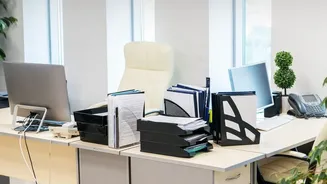
in India, a ten-hour day at a desk is standard. This prolonged sitting, often called 'sitting disease', has significant health implications that go beyond simple tiredness. Research shows that habitual inactivity is linked to a higher risk of obesity, type 2 diabetes, high blood pressure, and cardiovascular disease. When we sit for extended periods, our largest muscles relax and take up less glucose from the blood, which can disrupt metabolic processes. It also changes circulation and taxes the heart. Even if you exercise regularly after work, studies suggest that it may not be enough to fully counteract the negative effects of sitting for eight or more hours straight. The issue isn't just a lack of exercise; it's the uninterrupted period of being sedentary.
More Than Just Aches and Pains
The most immediate consequences of all-day sitting are often physical discomfort. Professionals commonly report musculoskeletal issues, including chronic pain in the neck, shoulders, and lower back. Sitting for hours causes hip flexor and hamstring muscles to tighten, which can affect your posture, balance, and even lead to knee stiffness. But the impact isn't just physical. A sedentary workday is also linked to a higher risk of anxiety and depression. This can be due to several factors, including reduced blood flow to the brain affecting mood regulation, increased feelings of stress from physical discomfort, and social withdrawal. Many office workers report feeling mentally drained and exhausted by the end of the day, a direct consequence of both physical and mental inactivity.
The Power of the Hourly Reset
The solution is surprisingly simple: take short, frequent breaks to move and stretch. Experts recommend interrupting sitting time at least every hour, if not every 30 minutes. These 'micro-breaks' don't need to be long; even 30 to 60 seconds of movement can make a significant difference. Taking a break to stretch increases blood flow and oxygen to your muscles and brain. This simple act improves flexibility, reduces muscle tension, and can prevent the muscle imbalances that lead to chronic pain. Mentally, these breaks are just as crucial. Stepping away from your screen helps combat mental fatigue, sharpens your focus, and improves concentration. Research shows that regular stretching can even lower levels of cortisol, the body's stress hormone, and release endorphins, which act as natural mood lifters. The result is improved productivity, higher job satisfaction, and a greater sense of well-being.
Simple Stretches You Can Do At Your Desk
Integrating movement doesn't require a gym membership or a lot of space. You can perform effective stretches right at your workstation. Try these simple movements:
Neck Stretch: Gently tilt your head to one side, holding for 15–20 seconds to relieve neck tension. Repeat on the other side.
Shoulder Rolls: Sit tall and roll your shoulders backward in a circular motion five times, then forward five times to release upper back stiffness.
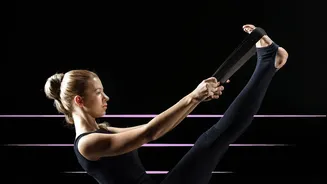
Overhead Reach: Clasp your hands together and lift them over your head, stretching your arms and torso upwards. Hold for 15 seconds.
Forearm Stretch: Extend one arm in front of you with your palm up. With your other hand, gently pull your fingers down and back toward your body until you feel a stretch in your forearm. Hold and repeat with the other arm.
* Seated Spinal Twist: Sit sideways in your chair and twist your torso to grab the back of the chair, holding the stretch to release your lower back.
Making Breaks a Habit,' Not a Chore
The key to success is consistency. The best way to ensure you take breaks is to make them an automatic part of your day. Set a recurring timer or calendar reminder for every 30 to 60 minutes. Another effective strategy is to 'pair' your break with an existing habit. For example, decide to stand up and stretch every time you finish a phone call or send a long email. Take your meetings or phone calls while standing or walking, if possible. Even using a smaller water bottle can be a useful trick, as it will force you to get up more often to refill it. The goal is not to add another stressful task to your to_do list,' but rather find small,' convenient opportunities for movement that fit naturally into your workflow.' Start small,' and you'll soon notice a significant difference in how you feel.