

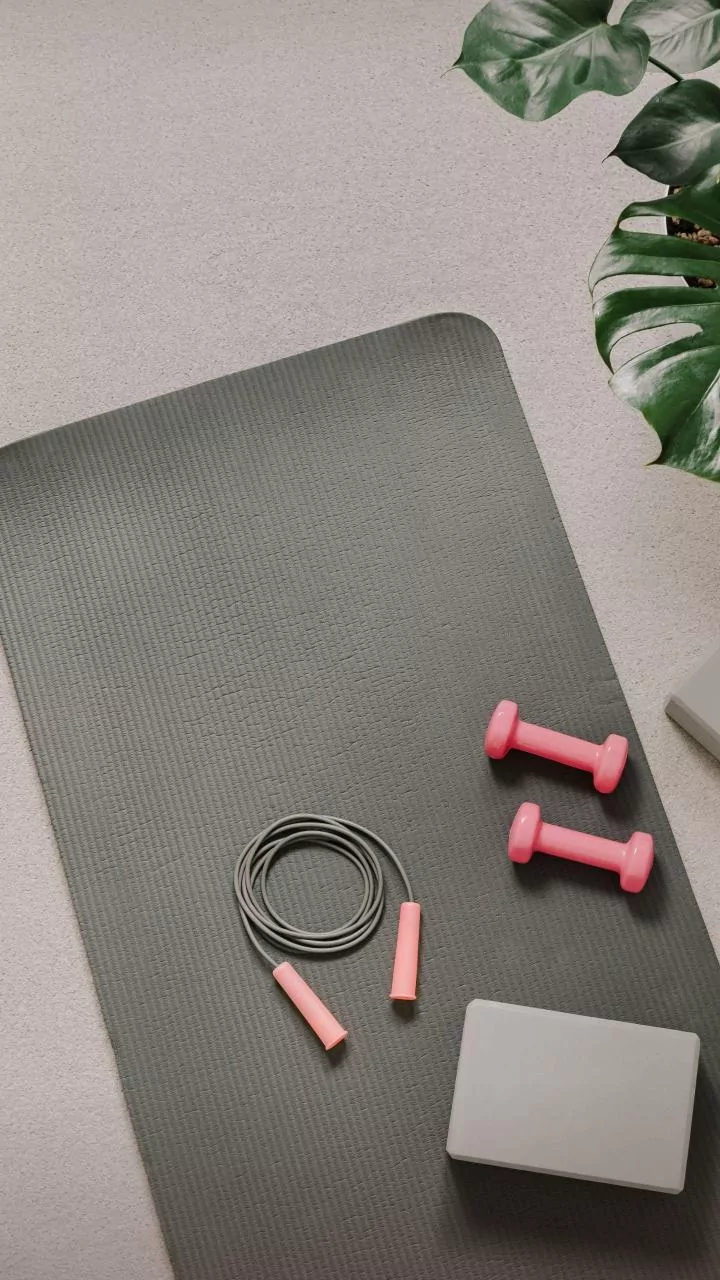






The Power of the 10-Minute Rule
The thought of a one-hour gym session can be daunting, making it easy to procrastinate. A 10-minute workout, however, is psychologically powerful because it's hard to refuse. The goal isn't to achieve a dramatic transformation in one session; it's to make
showing up so easy that it becomes automatic. This approach, sometimes called 'exercise snacking', focuses on consistency over intensity. Research shows that these short bursts of activity, or 'micro-workouts', are effective at improving health markers like blood pressure and blood sugar control. By lowering the barrier to entry, you make it far more likely that you'll perform the habit daily, which is the first and most crucial step.
Anchor Your Habit to Your Routine
The most effective way to lock in a new habit is to attach it to an existing one. This technique, known as 'habit stacking', uses a current daily behaviour as a trigger for your new workout. The formula is simple: 'After [current habit], I will [new 10-minute workout]'. For example: 'After my morning coffee finishes brewing, I will do 10 minutes of bodyweight exercises in the kitchen'. Other popular stacks include doing squats while brushing your teeth or performing stretches right after you turn off your morning alarm. By linking your new workout to a well-established part of your day, you remove the need for motivation and make the action feel like a natural next step.
Design a Simple, Equipment-Free Plan
Decision fatigue can kill a new habit before it starts. If you have to wonder 'what should I do today?' the odds of you doing nothing increase dramatically. Your 10-minute routine should be pre-planned and require zero equipment. A simple circuit works best. You can perform each exercise for 45 seconds, with 15 seconds of rest before moving to the next. For a full-body workout, you could cycle through exercises like bodyweight squats, push-ups (on your knees or against a wall is fine), lunges, planks, and jumping jacks. The key is to have a go-to plan that you can start without any mental energy or preparation.
Track the Wins, Not the Weight
When you're building a habit, the victory is showing up. Instead of tracking calories burned or reps completed, focus on tracking your consistency. Get a calendar and draw a big 'X' on every day you complete your 10-minute session. This creates a visual chain that you won't want to break. Psychologists note that celebrating small successes is critical for boosting motivation and making progress feel real. The goal is to build momentum and self-confidence. This shifts the focus from an intimidating performance goal to an achievable daily action, which reinforces the habit loop of cue, routine, and reward.
Let the Habit Grow Naturally
The 10-minute rule is a starting point, not necessarily the final destination. Once the habit of daily movement is firmly established—often after several weeks of consistency—you may find yourself wanting to do more. What was once a chore becomes a valued part of your day. You might naturally extend your session to 15 or 20 minutes, or add a second 10-minute 'snack' later in the day. The key is not to force it. Let the desire for more intensity or duration come from a place of established routine, not from initial, fleeting motivation. The foundation of consistency is what makes long-term fitness goals possible.