






What Is Liquid Seaweed Fertilizer?
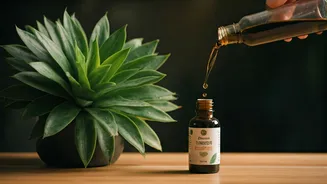
Imagine a nutrient-packed smoothie for your plants. That's essentially what liquid seaweed fertilizer is. It's not a new-age fad; it's a time-tested agricultural supplement made from harvested seaweed, typically species like Ascophyllum nodosum. The seaweed is processed—often
through cold-pressing to preserve its delicate compounds—to create a concentrated liquid. Unlike synthetic fertilizers that focus primarily on nitrogen, phosphorus, and potassium (N-P-K), seaweed extract is a biostimulant. This means it contains a broad spectrum of minerals, vitamins, amino acids, and natural plant growth hormones that improve the overall health and vigour of your plants.
A Summer Superstar for Your Plants
The intense heat and dry air of an Indian summer, even indoors, puts immense stress on plants. They can struggle with water uptake, drooping leaves, and stunted growth. This is where seaweed fertilizer truly shines. It’s rich in compounds like betaines and potassium, which help plants regulate their water balance, making them more resilient to drought and heat stress. The natural growth hormones, particularly cytokinins, promote cell division, leading to stronger root systems and lusher foliage. Think of it less as just 'food' and more as a powerful immune booster that helps your plants withstand the environmental pressures of the season.
Chemical Fertilizers vs. Seaweed Tonic
It’s important to understand the difference in approach. Synthetic fertilizers are like a shot of caffeine and sugar—they provide a quick, often excessive, burst of primary nutrients that can lead to rapid but weak growth. This can make plants more susceptible to pests and diseases. Overuse can also lead to salt buildup in the soil, harming your plants over time. Organic seaweed fertilizer, on the other hand, works more like a holistic health tonic. It provides a balanced, gentle dose of over 60 trace elements and micronutrients that plants need in small quantities. It enhances the soil's structure and encourages beneficial microbial activity, creating a healthier environment for the roots to flourish. It doesn't force growth; it enables healthy, resilient growth.
How to Use It Correctly
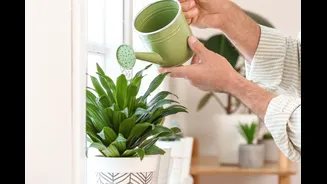
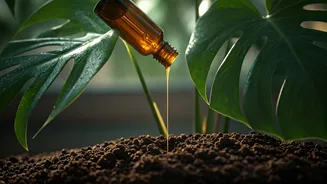
Using seaweed fertilizer is simple, but a little goes a long way. Always follow the dilution instructions on the product label, as it's a concentrate. A common ratio is about 5 ml of concentrate per litre of water, but this can vary. There are two primary ways to apply it: 1. **Soil Drench:** This is the most common method. Mix the diluted solution and water your plants with it as you normally would, ensuring you saturate the entire root ball. This delivers nutrients directly to the roots and improves the soil. During the summer growing season, applying it once every two to three weeks is ideal. 2. **Foliar Spray:** You can also add the diluted solution to a spray bottle and lightly mist the leaves of your plants. Plants can absorb nutrients directly through their foliage, providing a quick pick-me-up. Do this early in the morning to allow the leaves to dry and avoid potential leaf burn from the sun. A foliar spray every 15-20 days is a great supplement to soil drenching.
Which Indoor Plants Love It?
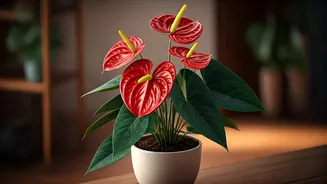
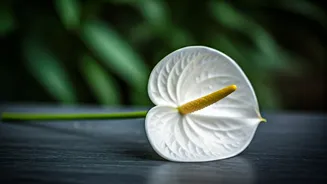
While nearly all plants benefit from seaweed extract, some popular indoor varieties show particularly great results. Foliage plants like Money Plants (Pothos), Syngonium, Philodendrons, and Ferns respond with more vibrant and larger leaves. Flowering indoor plants such as Peace Lilies and Anthuriums will produce stronger blooms. Even hardy plants like Snake Plants and ZZ Plants, which require infrequent watering, appreciate the occasional nutrient boost from a seaweed drench to keep them looking their best through the summer months.
Choosing and Storing Your Fertilizer
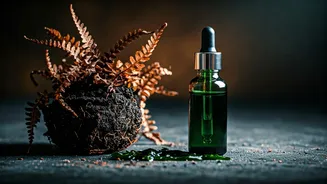
When you're at the nursery or shopping online, look for products that are 'cold-pressed' and 'organic'. The cold-press method ensures that the delicate hormones and enzymes in the seaweed are not destroyed by heat during extraction. An organic certification guarantees it's free from synthetic additives. The liquid is typically dark brown or black and has a distinct, earthy sea smell. Store the bottle in a cool, dark place, away from direct sunlight, to preserve its efficacy. A single bottle will last a long time, making it a cost-effective investment for your indoor garden.