





A Match Made in Flavour Heaven
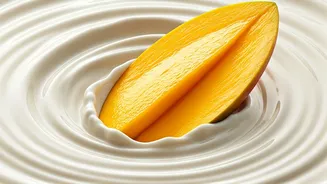
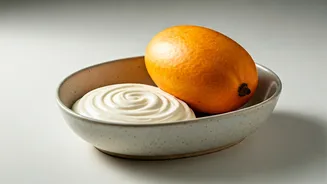
On paper, it’s a clash of titans. The Langra mango, a beloved summer icon from North India, is known for its fibrous texture and a distinctly tart-sweet flavour profile that sings of nostalgia and tradition. Dark chocolate, on the other hand, is a global
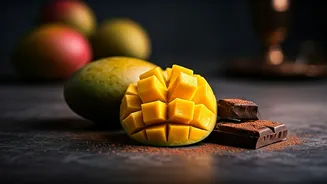
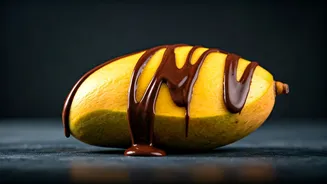
symbol of sophisticated indulgence, with its complex, bitter notes. Combining them seems almost audacious. Yet, for those who have tried it, the result is surprisingly harmonious. The sharp tang of the mango cuts through the richness of the cocoa, creating a multi-layered taste experience. The sweetness of the fruit balances the chocolate's inherent bitterness, while the chocolate adds a depth and luxury that elevates the mango beyond a simple fruit. It’s a dynamic culinary dialogue between local heritage and global gourmet, and it’s a conversation people are eager to have.
More Than a Snack, It's a Statement
For Generation Z, food is rarely just about sustenance. It’s about identity, experience, and storytelling. This mango-chocolate fusion hits all the right notes. In an era of hyper-globalisation, there's a powerful counter-trend towards local pride and authenticity. Young consumers are increasingly seeking products that feel both modern and rooted. This pairing perfectly encapsulates that desire. It says, 'I appreciate global quality (artisanal dark chocolate), but I celebrate my own heritage (the iconic Langra mango)'. It’s an edible expression of a new kind of Indian identity—one that is confidently local and comfortably global. Moreover, these aren't just any mangoes; specifying 'Langra' signals a deeper appreciation for provenance and terroir, a concept Gen Z has embraced from global food culture.
The Indian Artisanal Chocolate Revolution
This trend wouldn't exist without the parallel boom in India's own bean-to-bar chocolate industry. For years, chocolate in India meant mass-produced, sugary dairy milk bars. Now, a wave of craft chocolatiers is changing the game. Brands like Paul and Mike, Soklet, and Mason & Co. are experimenting with Indian-origin cacao and showcasing the diverse flavour profiles of the subcontinent. To stand out, these brands are innovating with bold, local inclusions. We’ve seen fusions with Jamun, Sitaphal, and various regional spices. The Langra mango-dark chocolate bar is a natural evolution of this movement. It provides a unique selling proposition for these brands and educates a new generation of consumers about the richness of India's agricultural biodiversity.
Designed for the Digital Age
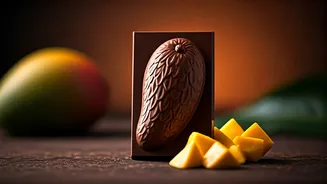
Let’s be honest: aesthetics matter. The visual appeal of these products is a huge part of their success with a digitally native generation. Artisanal chocolate bars are beautifully packaged, often with intricate designs that tell the story of the ingredients. A cross-section of a bar revealing vibrant, sun-dried mango chunks embedded in dark, glossy chocolate is incredibly photogenic. It’s a product made for Instagram Reels and foodie flat-lays. When a food looks as good as it tastes (and tells a great story), it has all the ingredients for going viral. The online buzz, driven by influencers and regular users alike, creates a feedback loop. People see it online, get curious, try it, post about it, and the 'obsession' grows.
So, Is It Really an 'Obsession'?
While 'obsession' might be a strong word for a nationwide phenomenon, it accurately captures the focused, enthusiastic energy a particular subculture is directing towards this flavour combination. It represents a significant shift in taste and consumer behaviour. This isn't a passing fad driven by a single company's marketing budget. It's an organic trend bubbling up from a generation that is redefining what 'premium' and 'desirable' mean in the Indian context. It's a craving not just for a new taste, but for products that are thoughtful, authentic, and reflective of their own complex identities. This fusion is a symbol of a generation that wants it all: the comfort of tradition and the thrill of the new.