
First, Gravity Is Still Strong Up There
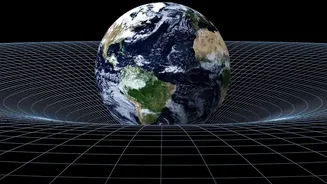
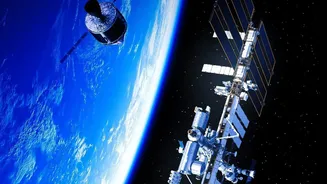
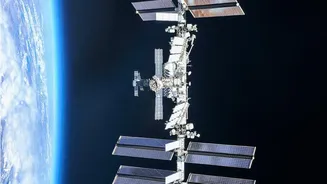
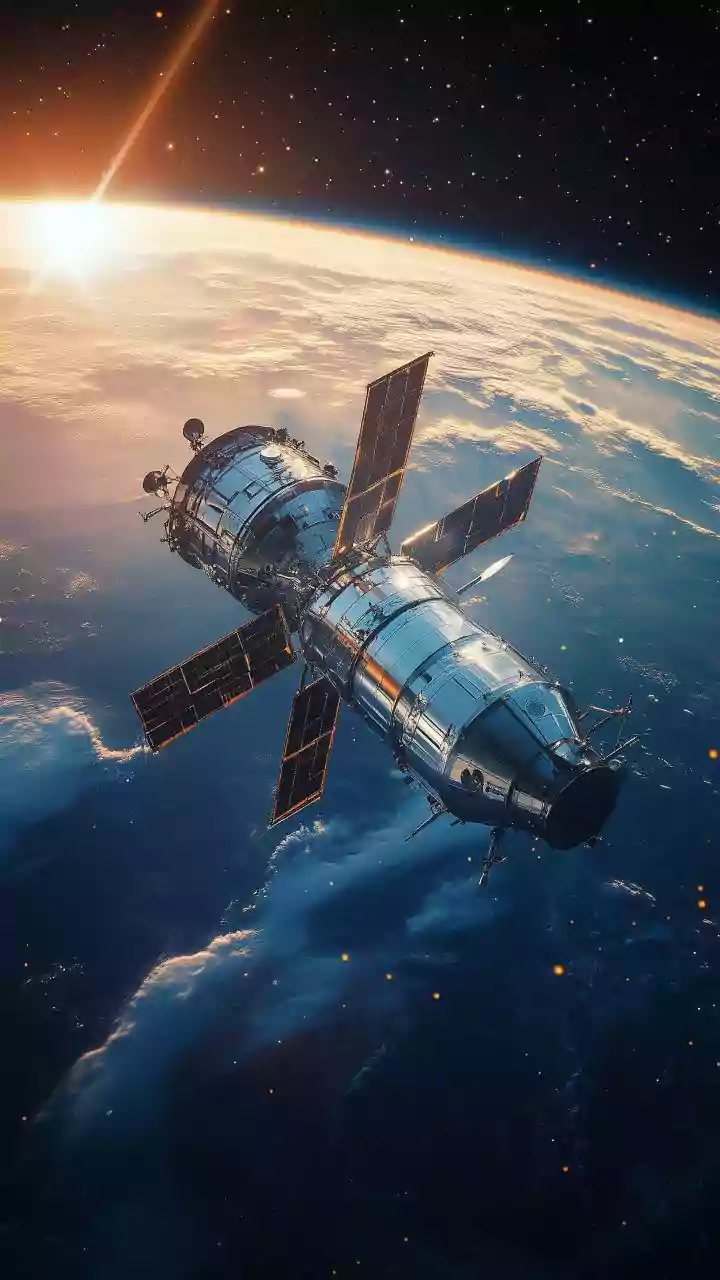
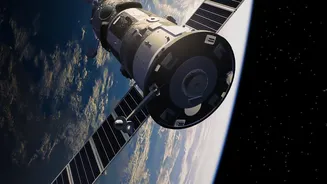
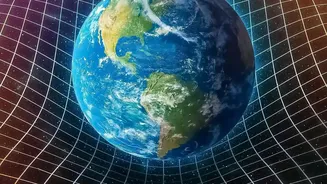
Let’s get the biggest misconception out of the way. There is plenty of gravity where the International Space Station (ISS) orbits, about 250 miles above our planet. In fact, the gravitational pull at that altitude is about 90% as strong as it is on the Earth's
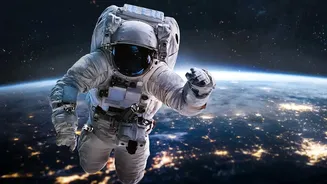
surface. If you could build a tower that high and step off, you would fall straight down. So, if gravity is still pulling everything forcefully toward Earth, why do astronauts float as if it's not there at all? The answer isn’t the absence of gravity, but the way everything on the station is moving together.
It’s All About 'Falling With Style'
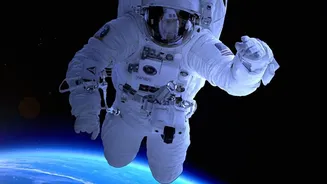
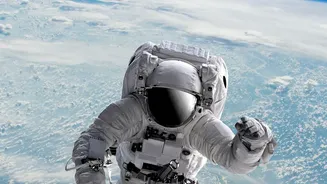
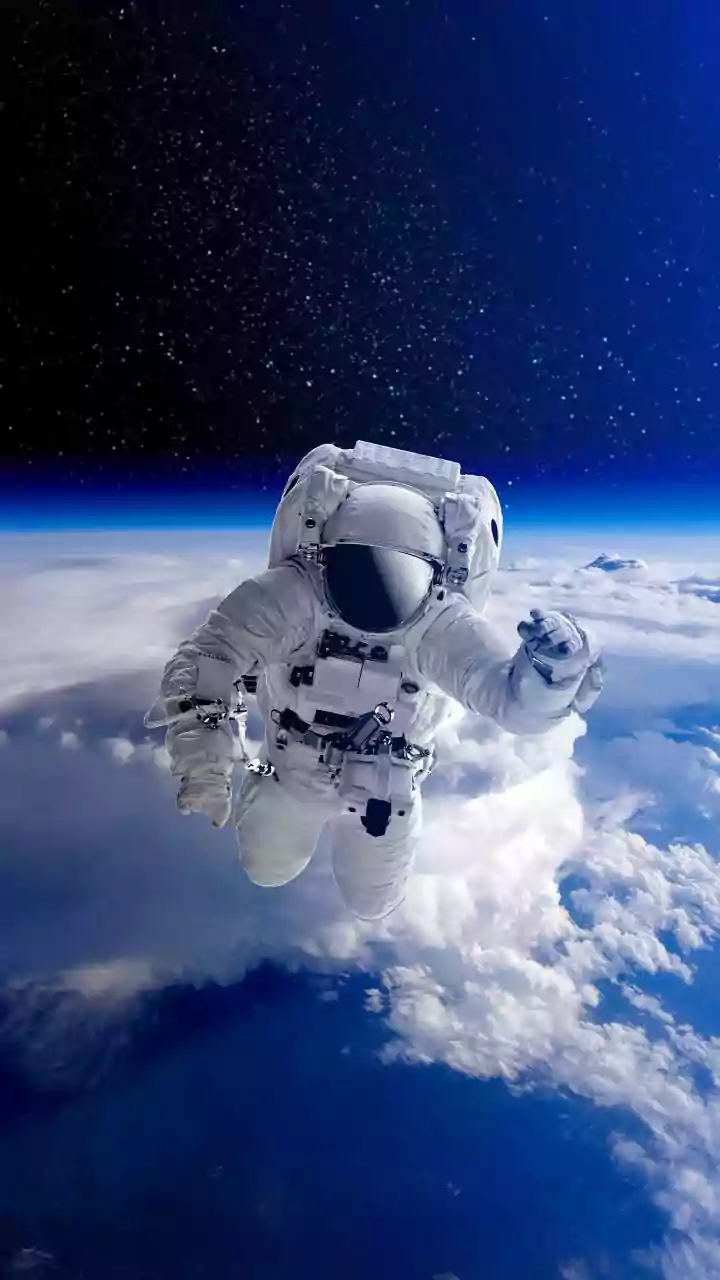
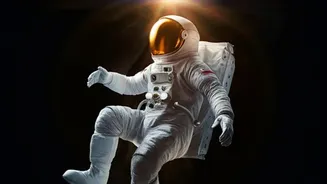
The secret to weightlessness in orbit is a concept called freefall. The ISS, the astronauts inside it, and every loose object are all continuously falling toward Earth under the influence of its gravity. Because everything is falling at the exact same rate, there is no relative sensation of weight. Imagine you're in an elevator and the cable snaps. For the terrifying few moments before it hits the bottom, you and anything you were holding would float inside the car. You would feel weightless not because gravity disappeared, but because you, the elevator, and your phone are all accelerating downward together. This is precisely what happens on the ISS, just without the unfortunate crash at the end.
So How Does Falling Turn Into an Orbit?
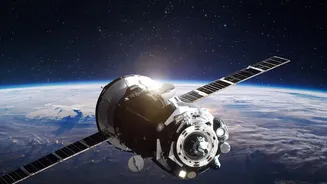
This is where the 'with style' part comes in. The key is immense horizontal speed. The ISS is traveling at a blistering 17,500 miles per hour. At that velocity, as the station falls toward Earth, the planet's surface curves away from it at the same rate. So, while it's constantly falling, it never actually gets any closer to the ground. It's perpetually 'missing' the Earth. This balance between the forward momentum (inertia) and the downward pull of gravity is what creates a stable orbit. It’s like throwing a baseball so hard that it goes all the way around the world before it has a chance to land.
Understanding Mass vs. Weight
This phenomenon also highlights a crucial difference between two often-confused terms: mass and weight. Mass is the amount of 'stuff' an object is made of, and it never changes, no matter where you are. An astronaut has the same mass on Earth as they do in space. Weight, however, is the force of gravity acting on that mass. When you stand on a scale, it measures the force with which you are pushing down on it. In freefall, since there is no ground or surface to push against, you don't exert that force. Your weight becomes effectively zero, even though your mass is unchanged. This is why scientists prefer the term 'microgravity' to 'zero gravity'—it more accurately describes the environment where gravitational forces are still present but are not felt as weight.