





First, What Is El Niño?
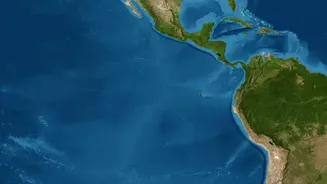
Think of El Niño as a large-scale warming event. It’s a naturally occurring climate pattern characterized by the unusual warming of surface waters in the central and eastern equatorial Pacific Ocean. This isn't just a local phenomenon; this massive heat
transfer into the atmosphere disrupts typical weather patterns across the globe, including the complex systems that drive India's southwest monsoon. In 2026, scientists have been monitoring a strengthening El Niño, with agencies like the US National Oceanic and Atmospheric Administration (NOAA) indicating a high probability of it becoming a historically strong event by the winter.
The Monsoon Connection
India's economy and society are deeply intertwined with the monsoon, which provides about 70-75% of the country's annual rainfall. El Niño often plays the villain in this story. The warming of the Pacific can alter atmospheric circulation, weakening the winds that carry moisture from the Indian Ocean to the subcontinent. This typically results in suppressed or below-normal rainfall during the monsoon season. While it's not a perfect one-to-one correlation—other factors like the Indian Ocean Dipole (IOD) can sometimes counteract its effects—a strong El Niño significantly raises the risk of a deficient monsoon. For the 2026 season, the India Meteorological Department (IMD) had already forecast below-normal rainfall, a prediction consistent with developing El Niño conditions.
Your Water Supply Is at Risk
For city dwellers, the most direct impact of a weak monsoon is on water availability. Major Indian cities depend on reservoirs that are replenished by monsoon rains. When rainfall is deficient, these reservoir levels drop, forcing municipal corporations to impose water cuts and rationing. Lower rainfall also means less groundwater recharge, putting further strain on borewells that supplement the municipal supply in many housing societies and commercial establishments. A poor monsoon can lead to a long, dry spell that extends well into the following summer, making water scarcity a pressing urban concern.
Brace for Higher Food Prices
Even if you don't own a farm, a bad monsoon will hit your wallet. A significant portion of India's agriculture is rain-fed, meaning it depends directly on monsoon showers. A weak monsoon caused by El Niño can lead to delayed sowing, lower crop yields, and outright crop failure for staples like rice, pulses, and vegetables. This reduction in agricultural output leads to a simple economic reality: lower supply with consistent demand results in higher prices. This food inflation affects every urban household, making daily groceries more expensive and putting a strain on budgets. The Reserve Bank of India often flags a poor monsoon as a key risk for inflation.
It’s Not Just About Rain
The impacts of El Niño extend beyond just the volume of rain. A disrupted monsoon can lead to longer dry spells and more intense, but fewer, rainy days. This erratic pattern can also contribute to prolonged and more severe heatwaves, as the cooling relief of regular monsoon showers is absent. For cities, this is compounded by the "urban heat island" effect, where concrete and asphalt absorb and retain more heat than natural landscapes, making urban areas significantly warmer than their rural surroundings. This combination can lead to increased energy consumption for air conditioning, putting pressure on the power grid, which may already be strained by reduced hydropower generation due to low reservoir levels. Furthermore, altered weather patterns can sometimes create conditions conducive to the spread of vector-borne diseases.