





The Challenge of Humidity
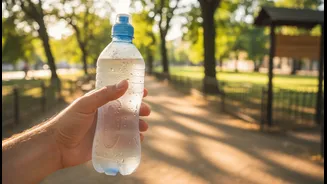
Working out in hot and humid conditions feels harder for a reason. High humidity prevents sweat from evaporating efficiently off your skin, which is your body’s primary cooling method. As a result, your body works harder and sweats more to try and cool down.
This excessive sweating doesn't just mean you're losing more water; you're also losing vital minerals called electrolytes. For anyone engaging in prolonged physical activity—like a long run, a game of cricket, or an intense gym session lasting over an hour—this increased loss can quickly become a problem if not managed properly.
What Are Electrolytes, Anyway?
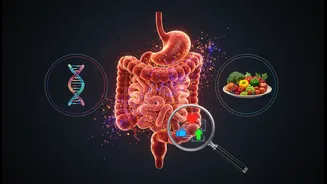
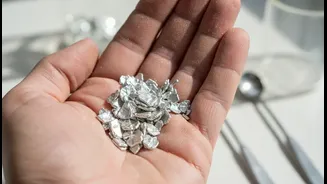
Electrolytes are essential minerals—like sodium, potassium, magnesium, and calcium—that carry an electric charge when dissolved in your body's fluids. They are crucial for many bodily functions. They help regulate fluid balance, control muscle contractions (including your heartbeat), and support proper nerve function. When you sweat, you lose these minerals. While your diet typically replaces them, a long and intense workout, especially in the heat, can deplete them faster than your body can cope, leading to an imbalance.
Signs of an Electrolyte Imbalance
An imbalance can range from mildly uncomfortable to dangerous. Early warning signs often include muscle cramps, spasms, weakness, and fatigue. You might also experience headaches, nausea, or dizziness. These symptoms are your body's way of telling you it's running low on these crucial minerals. Ignoring them can affect your performance and health. In severe cases, drinking excessive amounts of plain water without replacing sodium can lead to a dangerous condition called exercise-associated hyponatremia, where blood sodium levels become dangerously diluted, causing cells to swell.
How to Build Your Electrolyte Strategy
Effective electrolyte planning isn't complicated. It's about being prepared, especially for workouts lasting longer than 60-90 minutes. Before: Start your workout well-hydrated. Drinking about 500 ml of fluid two hours before you begin helps ensure you're topped up. Eating a regular meal provides a baseline of electrolytes. During: For workouts over an hour, don't rely on water alone. Sip on an electrolyte-rich drink every 15-20 minutes. The goal is to replace the minerals you're losing through sweat as you go, rather than trying to play catch-up later. After: Recovery is key. Continue to hydrate after your workout to replace any remaining fluid deficit. A post-workout snack or meal rich in minerals will help fully restore your electrolyte balance.
Finding Your Electrolyte Sources
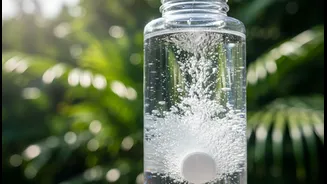
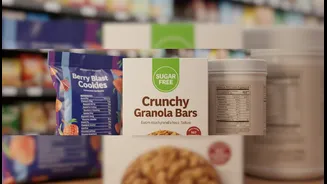
Replenishing electrolytes doesn't always require expensive supplements or sugary sports drinks. Many natural and readily available options in India can do the job effectively. Natural Sources: Coconut water is a fantastic natural source of potassium. Bananas are rich in potassium and magnesium. Dairy products like milk and yogurt provide calcium and sodium. Even adding a generous pinch of salt and a squeeze of lemon to your water can create a simple but effective DIY electrolyte drink. Food First: Incorporating foods like leafy greens, avocados, nuts, seeds, and beans into your regular diet builds a strong electrolyte foundation. Commercial Options: For convenience during very long or intense events, commercial sports drinks and powders are formulated to provide a specific balance of electrolytes and carbohydrates that aid absorption. Just be mindful of the sugar content in some products.