




The Freezer Aisle's Unsung Heroes
Frozen peas and spinach are more than just backup ingredients; they are nutritional powerhouses that offer incredible convenience and value. Unlike their fresh counterparts that have a limited shelf life, frozen vegetables are available year-round, ready
whenever you need them. This dramatically reduces food waste, as you can use the exact amount you need and return the rest to the freezer. Their long shelf life and often lower price point make them a budget-friendly way to ensure your household always has access to greens. By keeping a stock of these freezer staples, you're always just minutes away from adding a boost of vegetables to any meal, transforming a simple pantry dish into something more wholesome and complete.
Fresh vs. Frozen: The Nutritional Truth
There's a common misconception that frozen vegetables are nutritionally inferior to fresh ones. However, science tells a different story. Vegetables destined for the freezer are typically picked at their peak ripeness and then 'flash-frozen' within hours. This rapid freezing process locks in vitamins and minerals, effectively pausing the nutrient degradation that begins the moment a vegetable is harvested. In contrast, 'fresh' produce in a grocery store may have travelled for days and can lose a significant amount of its nutrients, like vitamin C, by the time it reaches your kitchen. Studies have shown that the nutritional content of frozen vegetables is often comparable to, and sometimes even higher than, fresh vegetables that have been stored for a few days. For example, frozen spinach can retain more vitamin C than fresh spinach that has been in the fridge for several days.
Mastering Frozen Spinach
The key to delicious frozen spinach is managing its water content. Because spinach is blanched before freezing, it holds a lot of moisture. For dishes where you want a drier texture, like fillings for pies or adding to scrambled eggs, it's crucial to thaw the spinach and squeeze out as much liquid as possible. You can do this by placing the thawed spinach in a clean kitchen towel and wringing it out. For other dishes, like soups, curries, or stews, you can often add the frozen block directly to the pot, letting it thaw and incorporate into the liquid. Sautéing is another great method. Simply add the frozen spinach to a hot pan with a little oil and garlic, and cook until the water has evaporated. This leaves you with flavourful greens ready for any recipe.
The Power of the Humble Pea
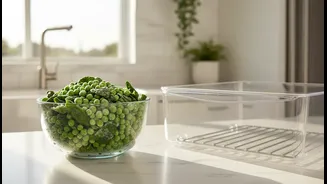
Frozen peas are one of the most versatile ingredients in the freezer. They are small, sweet, and packed with nutrients, including fibre, protein, and vitamins A, C, and K. One of the best things about frozen peas is that they rarely need to be thawed before cooking. You can toss them directly into boiling pasta water during the last few minutes of cooking, stir them into a risotto or fried rice for a pop of colour and sweetness, or add them to soups and stews. A quick and easy side dish can be made by simply boiling or steaming the peas for a few minutes and finishing with a knob of butter and a sprinkle of salt. Their natural sweetness also makes them a favourite with children, offering an easy way to add a green vegetable to family meals.
Easy Ways to Boost Your Meals
Incorporating frozen spinach and peas into your daily cooking is simple. Start your day by blending a handful of frozen spinach into a fruit smoothie for a nutrient kick you won't even taste. For lunch or dinner, stir them into your favourite dal, sabzi, or curry to bulk up the vegetable content. Both work beautifully in pasta dishes; a simple sauce with garlic, olive oil, spinach, and peas is a complete meal in under 20 minutes. You can also add thawed spinach to omelettes or frittatas, and sprinkle peas over a salad for extra texture and protein. By treating these frozen vegetables as pantry staples, you unlock endless possibilities for quick, healthy, and delicious meals, even when your crisper drawer is empty.