


1. Master the 'Find It' Game
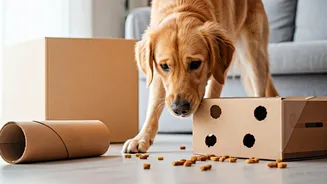
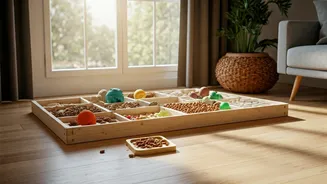
A dog's nose is its superpower, and scent work is one of the best ways to tire them out mentally. The 'Find It' game is simple to teach and requires nothing more than your dog’s favourite treats. Start by showing your dog a treat, say “Find it!” and then
place it on the floor in plain sight. Once they understand the command, you can start making it more challenging. Have them stay in one room while you hide a few smelly treats in another. Hide them under a rug (just the edge), behind a table leg, or inside an open box. When you release them, they’ll use their nose to hunt down the rewards. This game provides fantastic mental stimulation and satisfies their natural foraging instincts, leaving them feeling accomplished and tired.
2. Invest in Puzzle Toys and Feeders
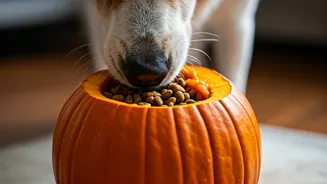
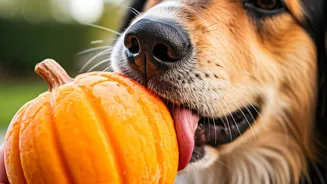
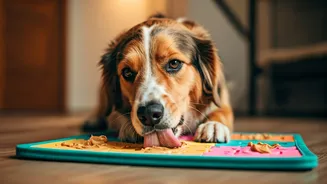
Instead of just handing over their meal in a bowl, make your dog work for it. Puzzle toys and slow feeders are designed to do exactly that. These toys require your dog to paw, nudge, roll, or slide pieces to release kibble or treats. This not only provides a significant mental workout but also slows down fast eaters, which can aid digestion and prevent bloating. There is a huge variety available, from beginner-level balls that dispense treats when rolled, to complex, multi-step puzzles for canine Einsteins. It turns mealtime from a 30-second affair into a 15-minute brain-engaging activity.
3. Build a DIY Obstacle Course
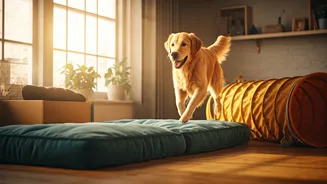
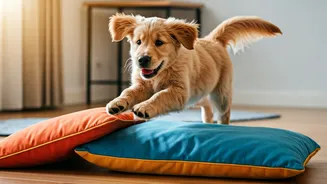
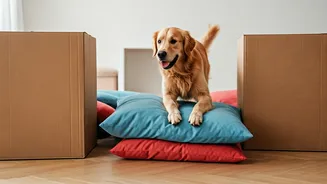
You don’t need professional agility equipment to create a fun physical challenge for your dog. Your living room can become an adventure zone with a little creativity. Use cushions or pillows for them to climb over, a row of chairs to create a tunnel to crawl under (drape a blanket over them), or a broomstick balanced on two stacks of books to jump over. Lure them through the course with a toy or treat. This activity not only burns physical energy but also builds your dog's confidence and coordination. Always supervise them and ensure the setup is safe, stable, and appropriate for your dog’s size and physical ability.
4. Play a Classic Game of Hide-and-Seek
This game is a brilliant way to combine physical activity, mental stimulation, and command reinforcement. It’s also a fantastic bonding exercise. If your dog has a good 'stay' command, have them wait while you go and hide. Once you’re hidden, call their name. As they search for you, they are using their ears and nose. When they find you, reward them with heaps of praise, pets, or a small treat. If you have another person in the house, you can take turns hiding and calling the dog, keeping them running back and forth between you. It’s a simple, joyful way to spend time together.
5. Teach a New Trick
A 15-minute training session can be more exhausting for a dog than a 30-minute walk. Focusing their brain on learning a new skill is a powerful form of enrichment. Go beyond 'sit' and 'stay'. Teach them fun tricks like 'shake paw', 'roll over', 'spin', or 'play dead'. You can also teach them useful skills, like putting their toys away in a basket. Use positive reinforcement with treats and praise. Short, frequent sessions are more effective than one long, frustrating one. This not only tires them out but also strengthens your communication and bond.
6. Play Tug-of-War (The Right Way)
Tug-of-war is an excellent physical workout and a great way for dogs to exercise their natural instincts to grab and pull. However, it's important to establish rules. The game should always start and end on your terms. Teach a 'drop it' or 'release' command, and practice it often during play. Your dog should not be grabbing at your hands or clothing, only the toy. Keep the game controlled; if your dog gets too aroused or frantic, pause the game until they calm down. When played correctly, tug is a safe, fun, and relationship-building game that provides a great outlet for pent-up energy.