





The Post-Monsoon Pothole Problem
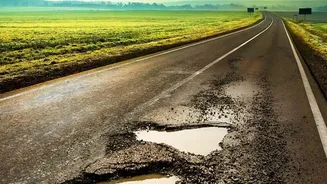
Every year, as the monsoon rains recede, Indian cities are left with a familiar and frustrating problem: a network of roads riddled with potholes. The constant exposure to water weakens the asphalt, and the pressure from traffic causes small cracks to grow
into dangerous craters. This annual cycle of damage and repair is not only a major inconvenience for commuters but also a significant financial burden on municipal corporations. The costs associated with vehicle damage, traffic congestion, and accidents add to the toll. For decades, the solution has been reactive—patching up holes that are almost certain to reappear the following year. But what if the roads themselves could fight back?
Introducing a Smarter Solution
Enter self-healing asphalt, a groundbreaking material that is beginning to be explored for use on Indian roads. This isn't science fiction; it's advanced material science designed to tackle the problem of road degradation at its source. The core idea is to embed a repair mechanism directly into the road surface. Instead of waiting for a crack to become a pothole, this smart asphalt can mend minor fissures on its own, preventing water from seeping in and causing larger structural damage. This proactive approach could dramatically extend the lifespan of our roads and change the maintenance game entirely.
The Science of Self-Repair
So, how does a road heal itself? There are a few innovative methods. One of the most promising involves embedding tiny microcapsules containing a rejuvenating agent into the asphalt mix. When a micro-crack forms due to stress, it ruptures these capsules. The released agent, often a type of oil, softens the surrounding bitumen (the glue that holds asphalt together), allowing it to flow and seal the crack. Another advanced technique involves mixing steel fibres into the asphalt. When damage occurs, a special maintenance vehicle passes over the surface, using an induction heating process to warm the fibres. This heat gently melts the bitumen, which then fills the cracks before hardening again, effectively resetting the surface.
The 'Bio' in Bio-Engineered Binders
The term 'bio-engineered' adds an exciting, sustainable layer to this technology. Researchers are increasingly turning to renewable resources to create the binders and healing agents for asphalt. Instead of relying solely on petroleum-based bitumen, these new formulas incorporate materials like plant-based oils, agricultural waste such as lignin, or even algae. In India, the Central Road Research Institute (CRRI) has been developing 'Bio-Bitumen' from agricultural waste, which not only provides an eco-friendly alternative but also helps tackle the problem of stubble burning. These bio-binders can reduce the carbon footprint of road construction and create a more circular economy by turning waste into a valuable resource.
Benefits Beyond a Smoother Ride
The most obvious benefit of self-healing roads is a significant reduction in potholes. But the advantages go much further. By extending the lifespan of roads by up to 30-40%, this technology can lead to massive long-term savings in maintenance costs for cities and highway authorities. Fewer roadworks mean fewer traffic jams and disruptions for the public. Enhanced durability also improves road safety, as well-maintained surfaces reduce the risk of accidents. Furthermore, using sustainable bio-binders and requiring fewer repairs helps lower carbon emissions associated with road construction and maintenance, aligning with India's broader environmental goals.
The Road Ahead for India
While self-healing asphalt isn't the standard on every Indian road just yet, the technology is moving from the lab to the real world. The National Highways Authority of India (NHAI) is actively exploring these innovative materials, with plans for pilot projects to test their effectiveness in Indian conditions. The higher initial construction cost is a key consideration, but proponents argue it is offset by the drastic reduction in long-term maintenance expenses. As India continues its massive infrastructure push under programs like Bharatmala, integrating smart, resilient, and sustainable materials like self-healing asphalt could be a crucial next step toward building the world-class roads of the future.