




The Gem of Meghalaya
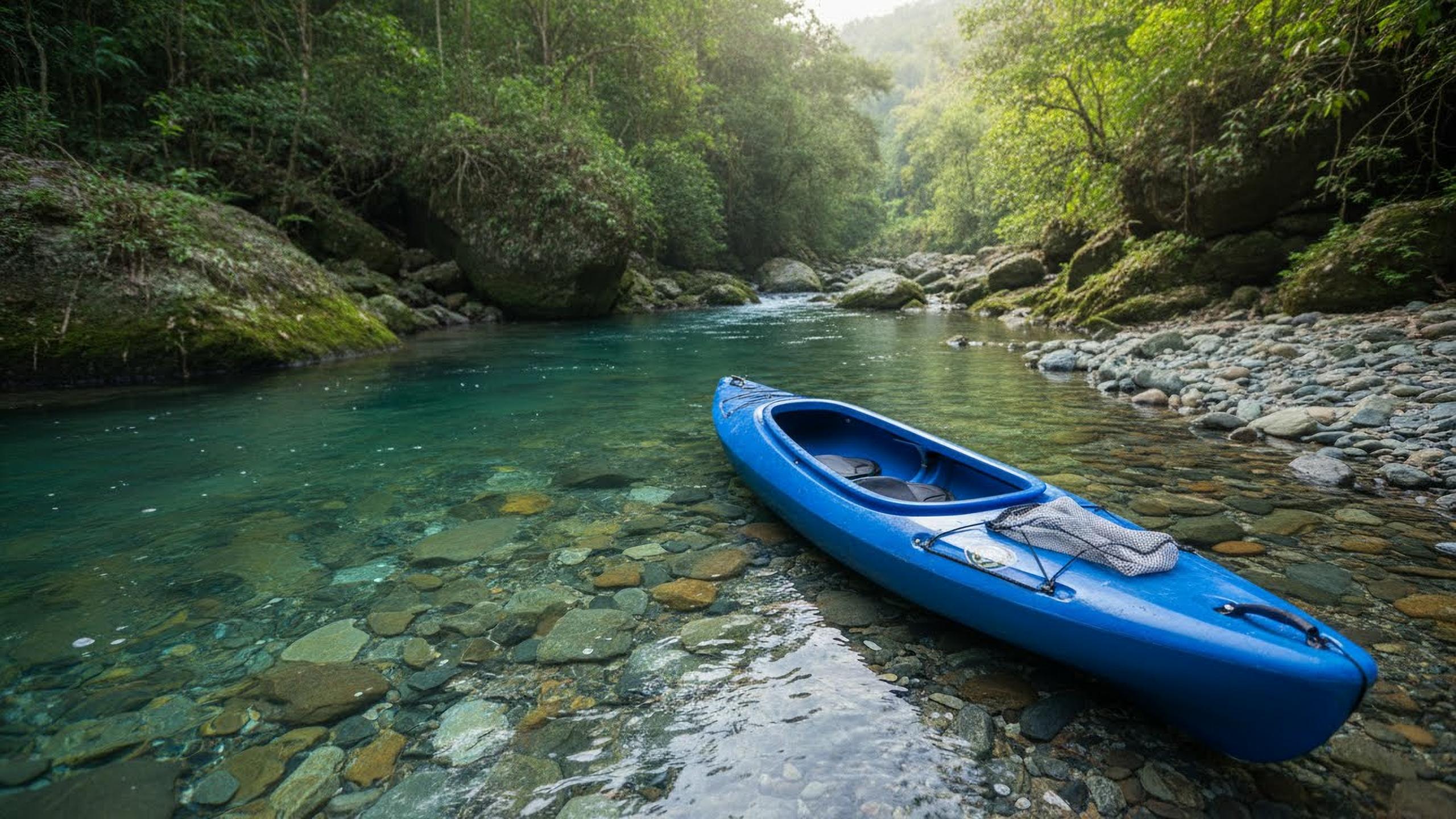
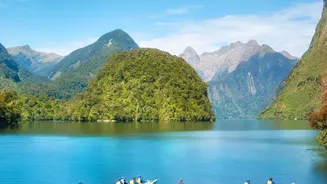
Nestled in India’s northeast, Meghalaya is often called the “abode of the clouds,” a land of lush hills, living root bridges, and spectacular waterfalls. Among its most prized treasures is the Umngot River in Dawki. During winter months, its water becomes
so transparent that boats appear to float in mid-air, an illusion that has drawn travellers from across the globe. This picture-perfect scenery, shared widely online, has turned small villages like Shnongpdeng and Darrang into bustling hubs for eco-tourism, offering activities from boating and camping to ziplining and snorkelling. The local communities, many of whom have lived by these waters for generations, have embraced tourism as a vital source of income, acting as guides, boatmen, and hosts.
An Unwelcome Invasion
But the surge in popularity has come at a cost. The very beauty that attracts visitors is under threat from the waste they sometimes leave behind. Increased footfall without adequate waste management infrastructure has led to a noticeable rise in pollution, particularly plastics. This problem is compounded by broader environmental pressures, including soil runoff from nearby construction projects that can turn the famously clear water murky, alarming both locals and environmentalists. For the communities whose livelihoods are intrinsically linked to the river's health, the degradation of this natural asset is an existential threat. A polluted river not only endangers the delicate aquatic ecosystem but also jeopardizes the very foundation of the local tourism economy.
Paddling with a Purpose
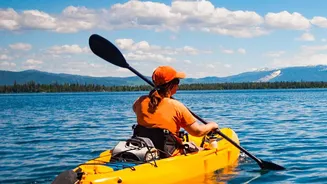
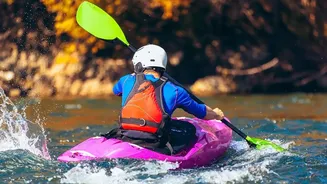
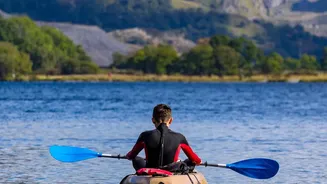
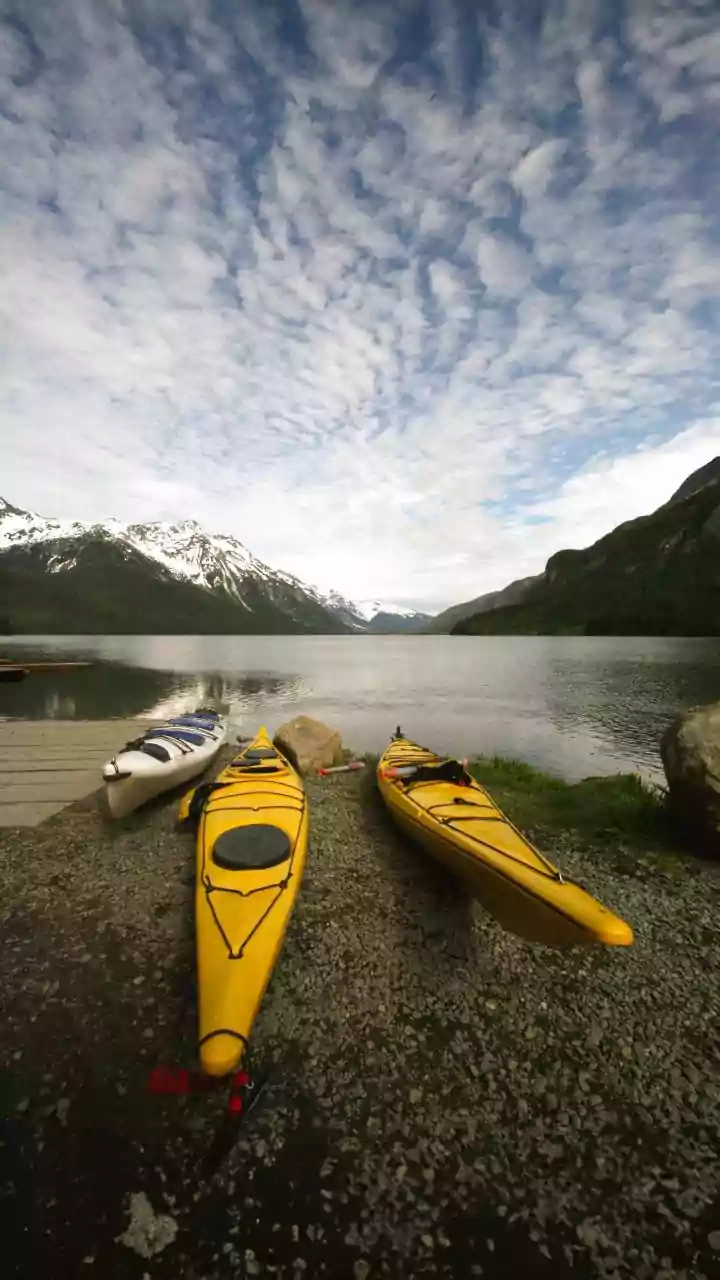
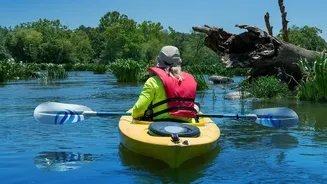
In response to this challenge, a creative and impactful solution has emerged: river-cleaning kayaking tours. Local tour operators, such as Pioneer Adventure Tours, have started initiatives that blend adventure with direct environmental action. The concept is simple yet powerful. Tourists are equipped with kayaks, paddles, and gear to collect floating debris as they explore the river. This transforms a recreational activity into a meaningful contribution to conservation. Instead of just being passive observers of nature, visitors become active caretakers. These tours are more than just a cleanup drive; they are an educational experience, raising awareness about the fragility of the ecosystem and fostering a sense of responsibility among travellers.
The Regenerative Travel Experience
Participating in a trash-kayaking tour is an immersive and rewarding experience. After a safety briefing, participants paddle along the stunning river, armed with nets or bags to collect plastic bottles, wrappers, and other litter marring the water's surface. The activity requires no prior kayaking experience and is suitable for most visitors. Beyond the immediate satisfaction of leaving the river cleaner than they found it, participants engage directly with the local environment and the people protecting it. It’s a hands-on lesson in sustainable travel, demonstrating that tourism can be a force for good. This model of “regenerative travel” aims to improve a destination, ensuring that the act of visiting contributes positively to its future.
A Sustainable Model for the Future
These eco-conscious tours do more than just clean the water. They support the local economy by creating jobs for guides and promoting a brand of tourism that values preservation over exploitation. The initiative aligns with Meghalaya's broader push towards sustainable, community-led tourism, where local people are empowered as guardians of their natural heritage. By involving visitors in conservation efforts, these programs foster a deeper connection to the place and encourage more mindful travel habits long after the trip is over. It’s a model that proves that adventure and responsibility can, and should, go hand in hand, ensuring that the crystal-clear waters of the Umngot River can be enjoyed by generations to come.