



What the Global Report Reveals
The 2026 State of Food Security and Nutrition in the World (SOFI) report, a joint effort by five UN agencies, paints a complex picture. While global hunger has slightly declined for the third consecutive year, the economic barrier to good nutrition is
growing. The report highlights that a staggering number of people globally simply cannot afford a diet that provides adequate nutrients, even if they consume enough calories to stave off hunger. The core issue identified is the high price of nutrient-dense foods like fruits, vegetables, dairy, and proteins, which have become increasingly expensive relative to staple grains. According to the findings, over a third of the world's population faces this affordability crisis, a challenge that is intensified by climate change, economic shocks, and supply chain disruptions.
The Challenge for India
For India, the report brings both good and bad news. On one hand, the country has made significant strides in reducing undernourishment over the past two decades. However, the report underscores a critical challenge: as of 2025, over 520 million people in India, representing more than a third of the population, could not afford a healthy diet. While the cost of a healthy diet in India is lower than in some neighbouring countries, it has risen sharply by nearly 48% since 2017. This price surge outpaces income growth for many, pushing nutritious food out of reach. The report also notes the 'double burden' of malnutrition: while issues like child stunting persist, problems like adult obesity and anaemia in women are on the rise, indicating a widespread shift towards calorie-dense but nutrient-poor diets.
What Is a 'Healthy Diet' Anyway?
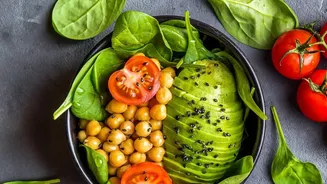
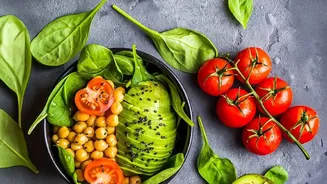
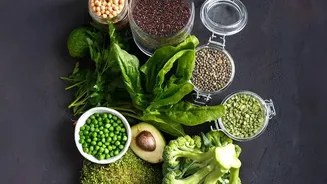
The UN defines a healthy diet as one that is diverse and includes a balanced mix of food groups. This isn't about expensive superfoods or imported goods. It’s about regularly consuming whole grains, pulses and legumes, a variety of seasonal fruits and vegetables, dairy products, and lean proteins. The problem, as the report points out, is that the cost of these essential food groups has risen faster than that of processed foods and simple carbohydrates. A healthy diet is crucial not just for preventing hunger, but for ensuring proper child development, preventing chronic diseases, and maintaining overall well-being. For many, the high cost of vegetables, fruits, and dal means they rely more heavily on cheaper staples like rice and wheat, leading to a diet that fills the stomach but starves the body of vital micronutrients.
Practical Steps Toward Affordable Nutrition
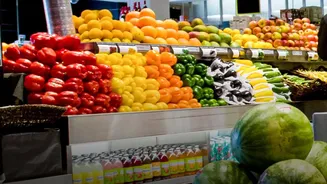
Despite the economic pressures, eating healthily on a budget in India is still possible with smart strategies. One of the most effective approaches is to prioritise local and seasonal produce. Buying vegetables and fruits that are in season from local markets is almost always cheaper and ensures freshness. Incorporating traditional Indian staples like millets (jowar, bajra, ragi) and a wide variety of pulses can also significantly boost nutritional intake without a high cost. Planning meals, cooking at home to avoid expensive takeaways, and reducing food waste are also crucial steps. Simple cooking methods that preserve nutrients, like steaming and pressure cooking, are better than deep-frying. Building a diet around the diversity of India's own agricultural landscape is the key to unlocking affordable health.
Beyond the Kitchen: A Systemic Issue
The report makes it clear that this is not just an individual or household problem. It calls for systemic changes to make nutritious food more accessible and affordable for everyone. This includes government policies that support farmers growing diverse crops, not just staple grains. Strengthening public distribution systems to include more nutritious items like pulses and fortified foods can make a huge difference. The UN also points to the need for better social safety nets and controlling food price inflation as key levers for change. As consumers, being aware of these issues and supporting local food systems can contribute to a larger movement towards better nutrition for all. The report serves as a vital reminder that food security is not just about having enough food, but about having enough of the right food.