


Know Your Fruits: The Climacteric Divide
The first step to smarter fruit shopping is understanding that fruits ripen in two different ways. Climacteric fruits are those that continue to ripen after being picked. They produce a natural gas called ethylene, which triggers the ripening process,
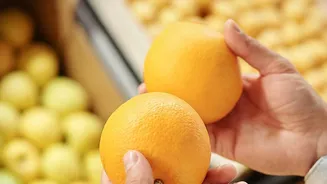
causing them to get softer, sweeter, and more fragrant. This group includes favourites like bananas, mangoes, papayas, avocados, apples, and pears. Non-climacteric fruits, on the other hand, must be picked when ripe and will not become sweeter after harvest. Think of citrus fruits like oranges, berries, grapes, and watermelon. They might soften over time, but that's a sign of decay, not ripening. Knowing this distinction is crucial: you can buy climacteric fruits when they're still firm, but non-climacteric ones should be perfectly ripe at the point of purchase.
Adopt a Two-Stage Shopping Strategy
To ensure a steady supply of ready-to-eat fruit, divide your shopping list into two categories: 'eat now' and 'eat later'. For the 'eat now' pile, select fruits that are already perfectly ripe. These are for consumption in the next one to two days. This includes non-climacteric fruits like berries and grapes, and ripe climacteric fruits like a yellow banana or a slightly soft avocado. For the 'eat later' pile, choose firm, underripe climacteric fruits. Think green bananas, hard mangoes, or firm-to-the-touch pears. These will ripen on your countertop over the course of the week, giving you a continuous supply without everything becoming overripe at once. This strategy prevents you from having to eat all your fruit in a two-day window before it spoils.
Mastering the Art of Home Ripening
You can control the speed of ripening at home with simple storage tricks. To speed things up, place underripe fruit in a paper bag and fold it loosely shut. The bag traps the ethylene gas the fruit releases, accelerating the process. For an extra boost, add a ripe banana or apple to the bag; they are ethylene 'super-producers' and will help other fruits ripen faster. To slow things down, do the opposite. Separate ripe fruits from each other, as their combined ethylene emissions will cause them to spoil quicker. Once a climacteric fruit reaches your desired ripeness, move it from the countertop to the refrigerator. The cold temperature will significantly slow the ripening process, buying you several more days to enjoy it. For example, apples soften ten times faster at room temperature than in the fridge.
A Plan for Every Household
The right quantity of fruit depends entirely on your household's consumption habits. A single person might only need three bananas—one yellow, one yellow-green, and one mostly green—to last the week. A family of four, however, might buy two bunches at different stages of ripeness. Before shopping, do a quick mental inventory of your week. How many days will you eat breakfast at home? How many school lunches need packing? Answering these questions helps you buy with purpose. For fruits like melons or pineapples, which provide many servings, make sure you have a plan to use them within a few days of cutting. Pre-cutting fruit can be a great way to encourage healthy snacking, but remember that cut fruit has a shorter shelf life and must be refrigerated in an airtight container.
No Fruit Left Behind: Using Overripe Produce
Even with the best planning, you might end up with some fruit that's past its prime for fresh eating. But 'too soft' doesn't have to mean 'trash'. Overripe fruits are often sweeter and perfect for other uses. Mushy bananas are the star ingredient in banana bread or can be frozen for smoothies. Berries that are starting to wrinkle can be cooked down into a simple sauce for pancakes or ice cream. Soft peaches, plums, or mangoes can be chopped and added to salsas, blended into marinades for meat, or baked into a crumble or pie. You can also chop and freeze almost any overripe fruit to use later in smoothies, juices, or baked goods, locking in the nutrients and preventing waste.