


The Monsoon's Earthy Bounty
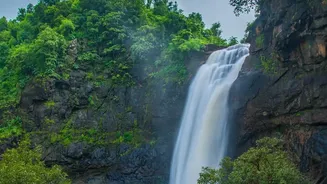
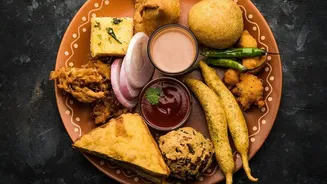
There’s a unique magic to the Indian monsoon, a season that transforms the landscape and our cravings. As the air cools and the scent of wet earth fills our senses, we instinctively turn to warm, nourishing meals. While pakoras and chai are timeless classics,
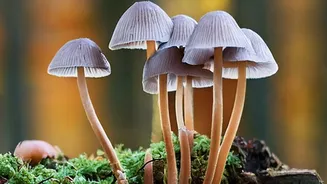
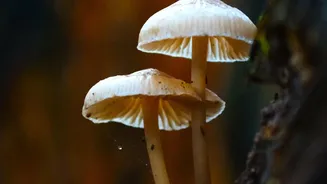
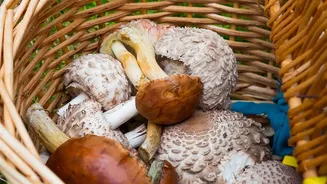
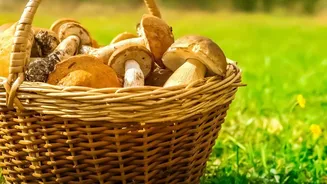
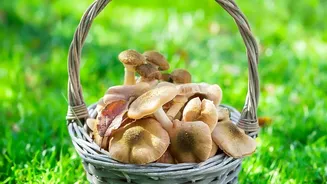
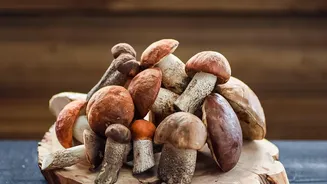
a more ancient and ephemeral ingredient is making its way into kitchens: wild forest mushrooms. For just a few weeks each year, from the Western Ghats to the forests of Jharkhand and West Bengal, the damp soil gives rise to fungi that are impossible to cultivate and treasured for their intense flavour. For local communities, especially tribal groups, this is a familiar and eagerly awaited harvest, a gift from the forest that offers a delicious alternative to meat and fish.
The Prized Termite Mushroom
Among the most celebrated of these seasonal delicacies is the Termitomyces mushroom, known by many local names. In Goa and along the Konkan Coast, they are called 'olmi' or 'alami', while in Jharkhand and Chhattisgarh, they are known as 'Rugda' or 'Boda'. These mushrooms share a unique characteristic: they grow in a symbiotic relationship with termite mounds. This quirk of nature makes them impossible to farm, adding to their allure and value. The flavour is often described as nutty and earthy, with a firm, satisfyingly chewy texture that holds up beautifully in robust curries. Traditionally, Goan households use olmi in a rich, coconut-based xacuti or a simple, flavourful chilli fry. In Jharkhand, Rugda is hailed as 'vegetarian mutton' and often cooked in a hearty curry served with rice.
Gucchi: The Himalayan Treasure
Further north, in the forests of Kashmir, Himachal Pradesh, and Jammu, the post-winter thaw brings forth another prized fungus: the Gucchi, or morel mushroom. With its distinctive honeycomb-like cap and deep, savoury flavour, Gucchi is one of the most expensive mushrooms in the world. Foraging for them is a laborious task, with collectors searching under layers of leaves and soil to find these elusive treats. While not strictly a monsoon mushroom, their rich, woodsy profile makes them a perfect ingredient for luxurious comfort dishes. A Gucchi pulao, where the earthy mushroom flavour infuses every grain of rice, is a celebratory dish. They are also sublime in creamy, yogurt-based Kashmiri curries, where their spongy texture soaks up the delicate spices.
Creating Your Own Mushroom Comfort
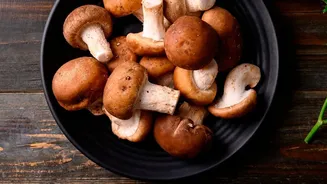
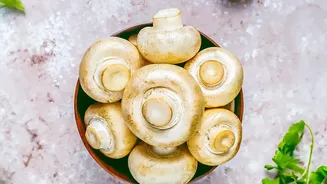
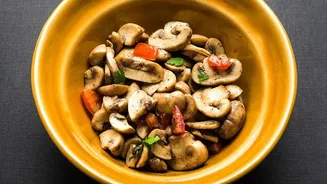
Inspired by these wild varieties, you can bring a touch of the forest to your rainy-day cooking, even with cultivated mushrooms. For a simple and soulful meal, try a mushroom pepper fry, where mushrooms are pan-fried with onions, curry leaves, and a generous amount of freshly cracked black pepper. Another comforting option is a Mushroom Matar, a simple but flavourful curry with mushrooms and peas in a spiced tomato-onion gravy. For something richer, a South Indian-style kurma, with a creamy coconut and cashew paste, allows the mushrooms' flavour to shine. The key is to let the earthy, umami notes of the mushrooms lead, pairing them with spices that complement rather than overpower. Think whole spices like cinnamon and cardamom, the warmth of ginger and garlic, and the fresh finish of coriander.
A Note on Safety and Sourcing
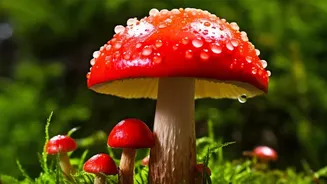
The romance of foraging is undeniable, but it comes with significant risks. Many poisonous mushrooms look strikingly similar to edible ones, and misidentification can lead to severe illness or even be fatal. There are no simple rules to distinguish safe mushrooms from toxic ones. This knowledge is often passed down through generations within communities that have foraged for centuries. For this reason, it is crucial to never eat a wild mushroom unless you are 100% certain of its identification by an expert. The safest way to enjoy these seasonal delicacies is to purchase them from trusted local vendors at markets, who rely on generations of experience to harvest them safely.