
The End of the ‘For Guests Only’ Room
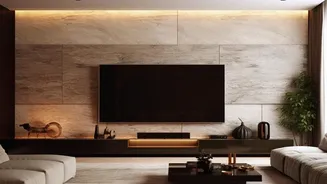
For decades, many Indian living rooms were designed to impress, not to be lived in. They were spaces of 'display-first grandeur'—large, imposing sofas often shrouded in plastic, elaborate centre tables, and vast, empty floors that signalled affluence.
This room was a formal chamber reserved for guests, a place where the finest crockery was kept but rarely used. But this long-standing model is fading. Homeowners are now questioning the need for a room that performs a social role rather than serving the daily needs of the family. The focus is shifting from how much space a home has to how beautifully and functionally that space is inhabited.
Why Our Living Rooms Are Changing
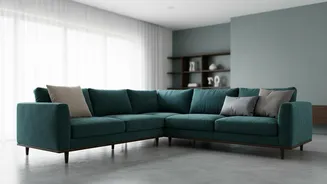
Several factors are driving this transformation. The post-pandemic era, which turned homes into offices, gyms, and schools, accelerated the need for adaptable spaces. With urban apartments becoming more compact, especially in major cities, every square foot must be functional. This has fuelled a massive demand for multifunctional furniture—think sofa-cum-beds, expandable dining tables, and ottomans that double as storage and seating. Furthermore, as nuclear families become the norm, the need for large, formal gathering spaces has diminished, replaced by a desire for cosy, personal corners that offer emotional comfort and a sense of calm.
The New ‘Lived-In’ Aesthetic
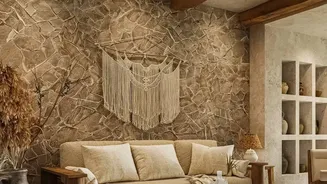
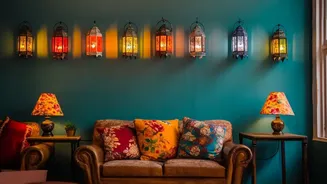
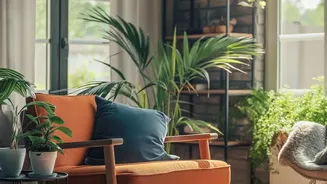
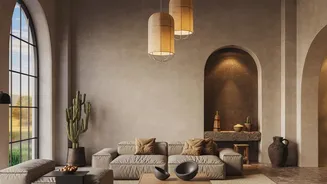
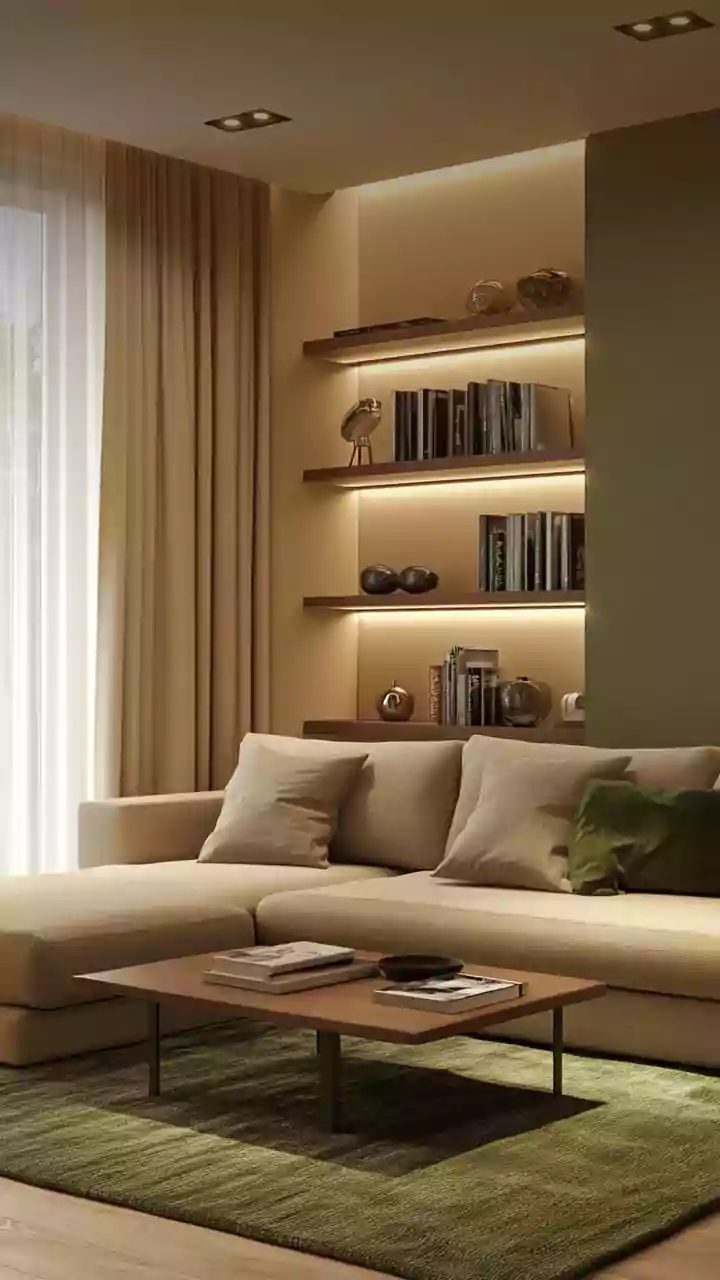
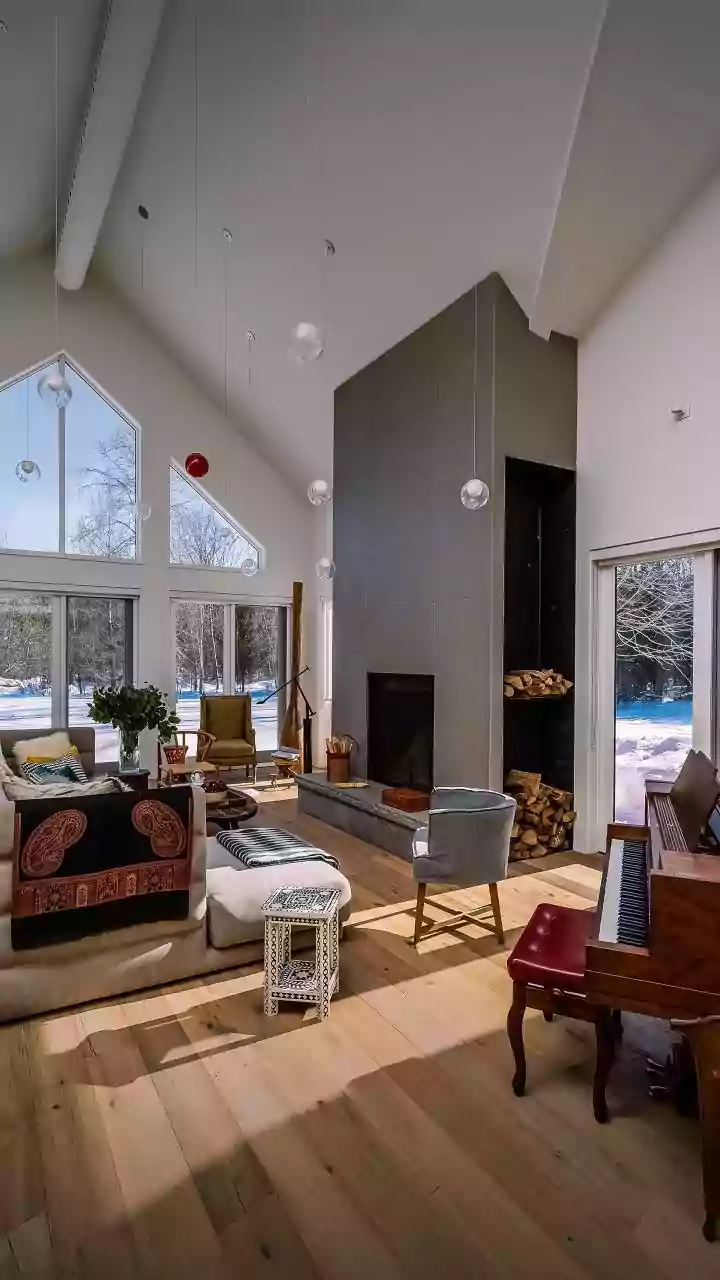
So, what does this new living room look like? It’s warmer, more tactile, and deeply personal. The cool grey and stark white palettes of the last decade are being replaced by earthy, warm neutrals like terracotta, beige, sand, and olive green. Sharp, boxy furniture is giving way to softer silhouettes with curves and rounded edges that feel less rigid. There is a clear move away from mass-produced items and towards pieces that tell a story. This includes a major revival of solid woods like teak and sheesham, alongside handcrafted and artisanal furniture that showcases visible craftsmanship. The goal is no longer a perfect, matching set, but a layered, personal style.
A Return to Indian Roots and Craft
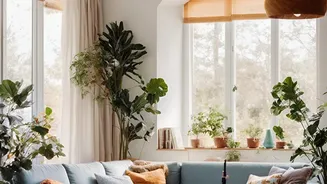
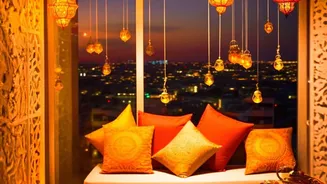
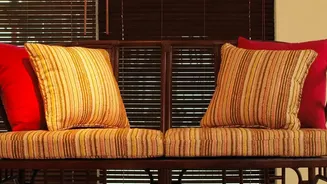
This shift is also a cultural reawakening. There is a growing appreciation for local artistry and traditional Indian craftsmanship. Homeowners are actively seeking out handwoven textiles, block prints, and decor featuring techniques like Chikankari or Madhubani art to anchor their modern spaces. This isn't just about aesthetics; it's a conscious move towards authenticity and sustainability. Materials like bamboo, cane, jute, and terracotta are being embraced not just for their eco-friendly qualities, but for their ability to add texture, warmth, and a connection to nature—a concept known as biophilic design. By integrating these elements, the modern Indian home is creating a new design language that is both globally aware and unapologetically local.
The Room That Does It All
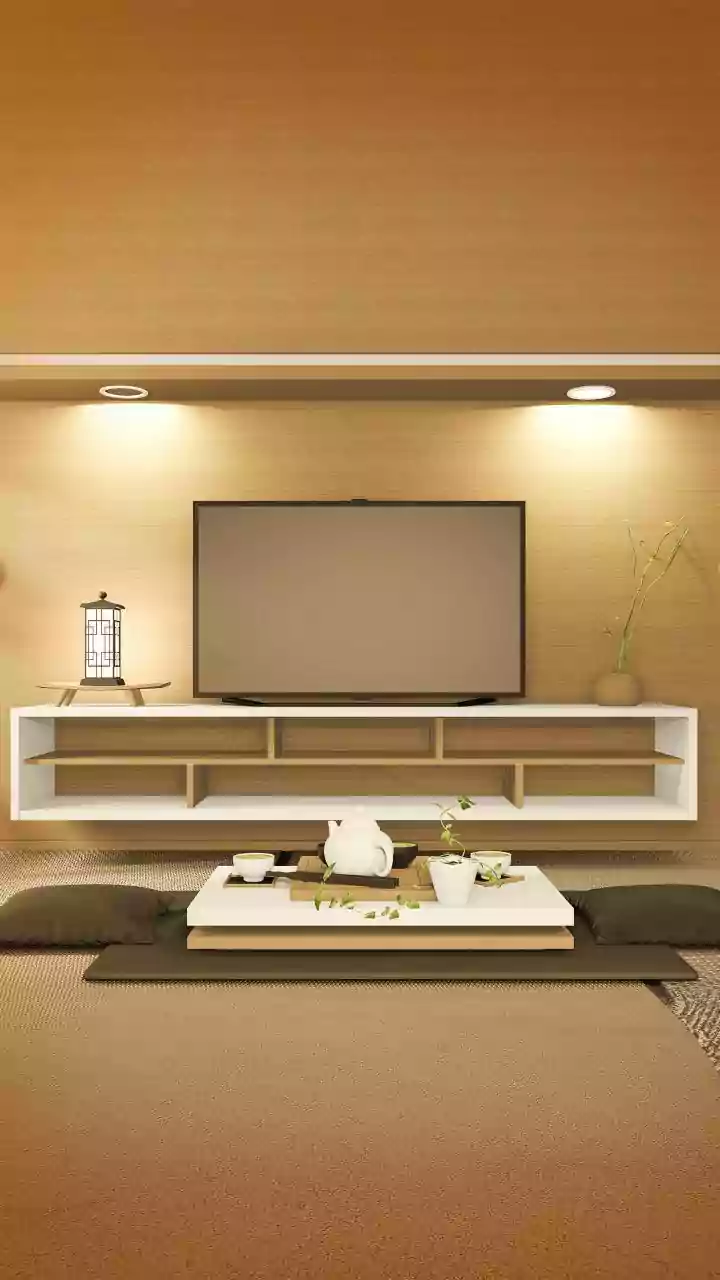
Ultimately, the living room has evolved from a static showroom into the most hardworking room in the house. It's a space that’s fluid and adaptable, serving as a home office by day, a movie theatre by night, and a relaxed dining spot over the weekend. This move towards 'slow interiors'—building a space gradually with considered, durable pieces—is a direct response to the fast-furniture trend of creating 'Instagram-perfect' but impersonal rooms. It reflects a deeper change in mindset, where the ultimate luxury is not a grand display, but a home that is comfortable, functional, and a true reflection of the people who live in it.