
An Audacious Mission to Mars's Moons
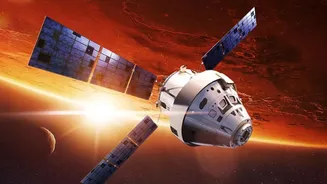
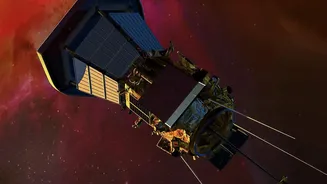
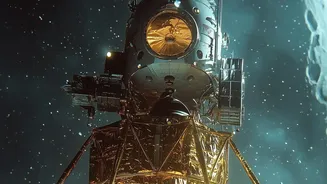
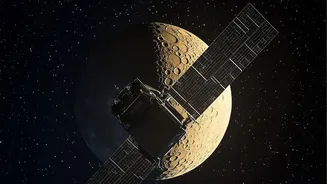
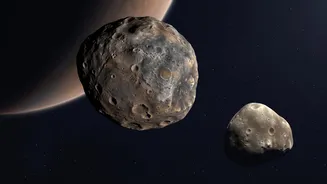
The MMX spacecraft, which successfully launched on October 20, 2026, has a daring objective: to visit the two small moons of Mars, Phobos and Deimos. Its primary goal is to land on Phobos, the larger of the two, collect at least 10 grams of surface material,
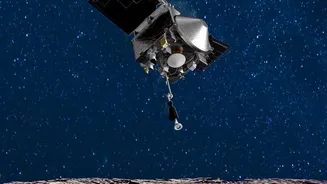
and then return that sample to Earth. This would be the first time humanity has brought back a sample from the Martian system. The mission, a collaboration between JAXA and international partners like NASA and the European Space Agency, aims to shed light on one of the biggest mysteries of the inner solar system. By analyzing a piece of Phobos in advanced labs on Earth, scientists hope to finally determine the origin of Mars's moons and learn more about the formation of planets.
The Critical First Hurdle
Space missions are riskiest in their earliest moments. The 'early operational checks' that MMX just passed are a series of vital first steps to ensure the spacecraft survived the intense stress of launch. JAXA confirmed on October 21 that this initial critical phase was complete. These procedures include deploying the solar arrays to generate power, establishing a stable three-axis orientation to control the spacecraft's position in space, and unlocking the antenna needed for communication. Passing these checks means the ¥55.3 billion probe is healthy, communicating with ground control, and ready to begin its long journey. The spacecraft is now preparing for the cruise phase, a year-long voyage to enter orbit around Mars in August 2027.
Solving a Solar System Mystery
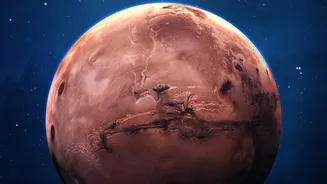
Why go to all this trouble for a tiny, lumpy moon? Scientists are divided on how Phobos and Deimos came to be. One theory suggests they are former asteroids that were captured by Mars's gravity. If this is true, samples from Phobos could give us a pristine piece of an ancient asteroid. The other leading theory is that a giant object crashed into a young Mars, sending a cloud of debris into orbit that eventually coalesced to form the moons, similar to how our own Moon may have formed. The samples returned by MMX could solve this debate. If the material is similar to asteroids, it points to capture. If it's more like the composition of Mars, it suggests a giant impact. Either answer will rewrite our understanding of how planetary systems evolve.
A Mission of Many Firsts
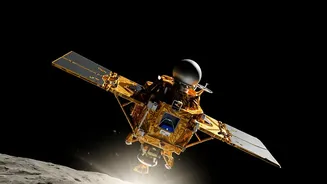
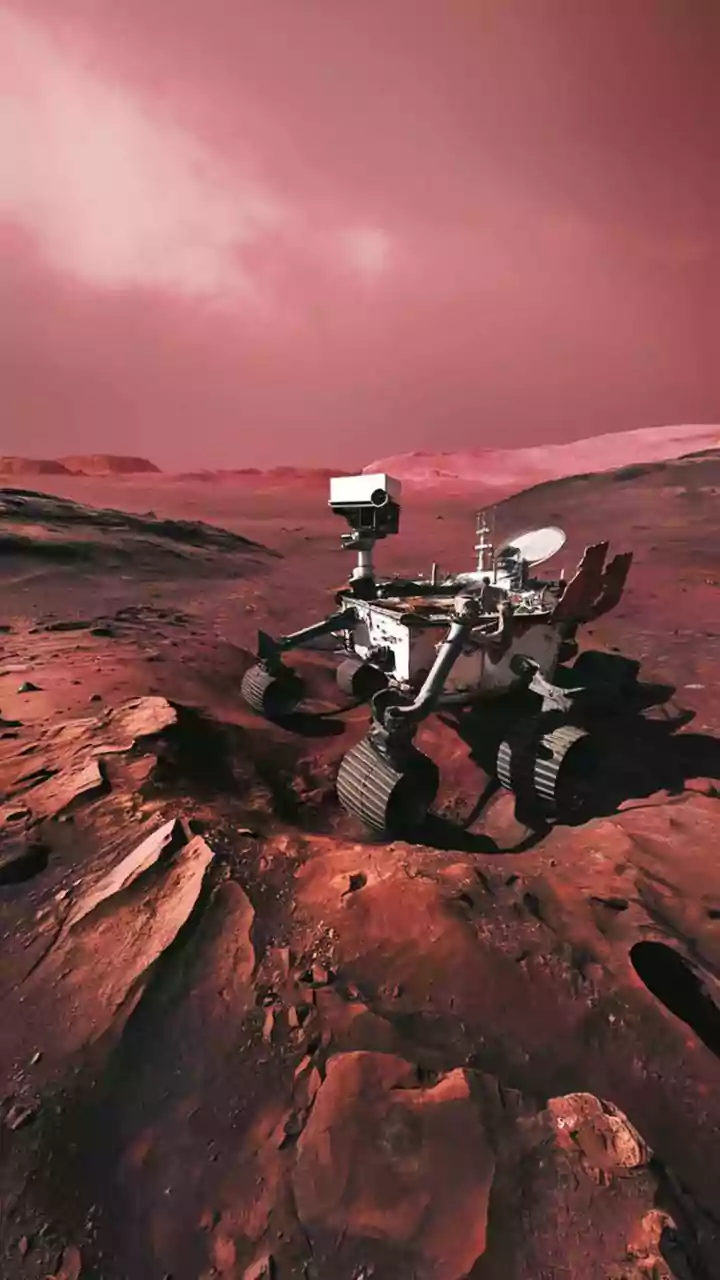
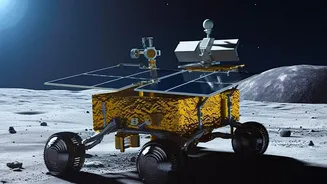
MMX isn't just a sample-return mission; it's a technological trailblazer. It will be the first mission to land on a Martian moon and the first to return from the Martian system. The mission also features a small rover named 'Idefix', contributed by the French and German space agencies. This rover will be deployed onto Phobos to explore its surface for about 100 days, analyzing the terrain and helping to identify a safe landing spot for the main spacecraft. After collecting its precious cargo in 2030, MMX will perform several flybys of the smaller moon, Deimos, before beginning its yearlong journey back. The sample capsule is scheduled to land in Australia in 2031, completing a remarkable fiveyear round trip.