







From Commands to Conversations
For most of its existence, our relationship with artificial intelligence has been purely transactional. We give it a command, it provides an output. We ask for the weather, a recipe, or to add an item to our shopping list. We use it to summarise long
documents for work or to track our sleep for better health. This is the paradigm of automation, a powerful but ultimately limited framework that views AI as an infinitely patient and efficient assistant. While useful, this focus on task-oriented queries misses the forest for the trees. It ignores the rich, contextual data stream that flows beneath our explicit commands, a digital pulse that reveals more about us than our direct questions ever could.
The Pulse of Our Digital Selves
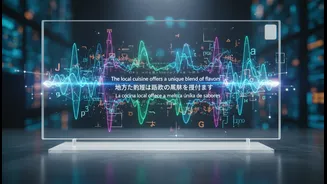
This is where the concept of “usage rhythms” comes in. It’s not about the content of a single query, but the patterns over time: the tempo of our interactions, the time of day we seek information versus entertainment, the hesitation in our typing speed, or the shift in our tone when using voice assistants. This is a core idea in the emerging field of digital phenotyping, which uses data from our personal devices to quantify our behaviour in real-time. A sudden spike in late-night searches for calming music isn’t just a preference; it’s a potential sign of stress. A shift from asking for quick, 20-minute recipes on weekdays to elaborate, multi-hour cooking projects on weekends reveals a lifestyle rhythm, not just a culinary interest. These patterns are the digital echoes of our human experience, reflecting our moods, anxieties, aspirations, and unmet needs.
Beyond Data Points to Human Context
The next frontier for AI is to move beyond simply processing our words to understanding our context. Today's systems are getting better at this, leveraging ambient computing where technology fades into the background to anticipate our needs without direct commands. An intelligent system could, for instance, notice a pattern of rushed, error-filled typing in the morning combined with a calendar full of back-to-back meetings. Instead of just correcting typos, it might proactively suggest a five-minute mindfulness break or postpone non-essential notifications. This isn't about invasive surveillance, but about creating a more empathetic and responsive technological environment. It is the difference between an AI that simply executes tasks and one that understands intent and emotional state.
The Real Business Opportunity: Empathetic Tech
The commercial opportunity here is immense, and it extends far beyond building a faster summarisation tool. The future belongs to companies that can interpret these behavioural rhythms to serve underlying human needs. Imagine a fitness app that doesn't just count steps, but recognises from your interaction patterns that your motivation is flagging and offers a different kind of encouragement. Think of e-commerce platforms that understand the difference between a user's focused, goal-oriented shopping and their late-night, comfort-seeking browsing, tailoring the experience accordingly. For India, with its vast diversity of languages, cultures, and daily routines, the potential is even greater. An AI that understands the unique rhythms of a festival season, the communal nature of family life, or the nuances of code-switching in conversation can create services that are not just personalised, but culturally resonant.