




The Old Days of Disarray
For years, the NCA was often criticised, sometimes functioning more as a transit lounge than a high-performance centre. Players were often left to their own devices post-injury, leading to conflicting advice from personal and franchise physios, and a lack
of centralised tracking. This disjointed approach led to several high-profile cases of players breaking down shortly after being declared fit, creating a cycle of recurring injuries and frustration within the team. Senior players grew reluctant to even go to the academy, feeling the rehab processes were inadequate for the demands of international cricket. The system was reactive, inconsistent, and lacked a clear line of authority, putting player careers and team plans in jeopardy.
A New Mandate Under Laxman
The turning point began with a clear shift in philosophy, spearheaded by former batting maestro VVS Laxman, who took over as the head of the NCA in December 2021. The mandate was to transform the Bengaluru-based facility into a true Centre of Excellence, with player-centric policies and a proactive approach to their physical well-being. Laxman, along with the BCCI, initiated a structural overhaul, recognising that managing injuries effectively was as crucial as nurturing young talent. The goal was to build a robust, transparent, and standardised system that every contracted player, from a rising star to a seasoned veteran, would trust and adhere to.
Pillars of the New System
The new NCA system is built on several key pillars. First, it established the NCA as the final authority on player fitness, mandating that all centrally contracted players must undergo rehabilitation in Bengaluru. A dedicated medical team, including strength-and-conditioning coaches and physios, is assigned to each injured player. Communication has been streamlined, with the NCA now collaborating closely with state associations and even IPL franchises to monitor players year-round. Perhaps the most significant innovation is the implementation of a central database or Athlete Management System (AMS), which stores every player's complete medical and fitness history, allowing for better long-term monitoring and data-driven decisions.
The Comeback Kings
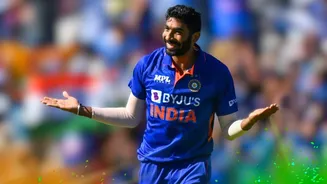
The results of this transformation are best seen in the successful returns of several key players from potentially career-ending injuries. Rishabh Pant's remarkable recovery from a horrific car accident is a prime example, with the NCA's structured rehab programme being widely praised. Similarly, Jasprit Bumrah's return from a complex back injury, and the successful rehabilitation of KL Rahul and Shreyas Iyer, showcase the system's effectiveness. These players spent months at the NCA, working through meticulously planned protocols that focused on a full recovery rather than rushing them back, a significant departure from past practices.
From Cure to Prevention
The transformation extends beyond just rehabilitation. The modern NCA is heavily invested in injury prevention through proactive workload management. Using wearable technology to track data on player effort and intensity during practice and matches, the sports science team can identify potential red flags before they become full-blown injuries. Fitness standards have been standardised across all levels, from the senior team down to the state associations, creating a uniform baseline for physical conditioning. This forward-thinking approach aims to build more resilient athletes and minimise the time players spend on the sidelines, ensuring India's top talent is on the field as much as possible.