









The Real Story Behind the TCS 'Cut'
First, let's clear the air on what's changed with TCS, which is an advance tax you can later claim back. Effective from April 2026, the rules were simplified, not universally cut. For overseas tour packages, the TCS is now a flat 2%, a welcome change from the previous
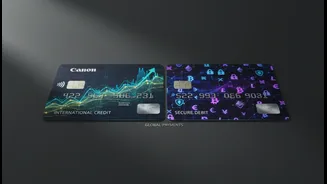
complicated structure. Similarly, for self-funded education and medical expenses above ₹10 lakh, the rate dropped from 5% to 2%. However, for other remittances like investments or gifts, the 20% TCS rate on amounts over ₹10 lakh remains. The most crucial point for most travellers is that spending on your international credit card while abroad is still not covered under the Liberalised Remittance Scheme (LRS), meaning it remains exempt from TCS for now. While these changes offer some relief, they distract from the more immediate and often non-refundable costs that eat into your travel budget every day.
The Sneaky Fee Hiding in Plain Sight
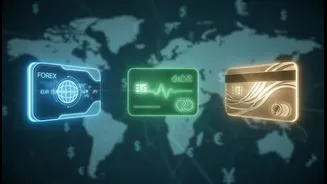
The biggest cost isn't a tax, but the foreign exchange (forex) markup fee. When you use your regular Indian credit or debit card abroad, the bank charges a fee to convert your rupees into the local currency. This fee typically ranges from 2% to as high as 5% on every single transaction. If you spend ₹1,00,000 on your trip, a 3.5% markup fee means you're paying an extra ₹3,500 for nothing but the currency conversion service. This fee isn't always listed separately on your bill; it's often bundled into the exchange rate you're given, making it hard to spot. Over an entire trip, these charges can add up to a significant amount, often costing you far more than TCS ever would.
The 'Helpful' Offer That Costs You More
You've likely seen it at a shop or ATM abroad: a prompt asking if you'd like to pay in Indian Rupees (INR) instead of the local currency. This is called Dynamic Currency Conversion (DCC), and while it seems convenient, it's a costly trap. By choosing to pay in INR, you are allowing the merchant's bank, not your own, to handle the currency conversion. These providers often apply very unfavourable exchange rates, with markups that can be as high as 8%. The golden rule of overseas spending is simple: always decline DCC. When asked, always choose to pay in the local currency of the country you are in. Let your own bank handle the conversion; even with their forex markup, it is almost always cheaper than the rate offered through DCC.
Building a Smarter Travel Wallet
So, how do you fight back against these fees? The solution lies in planning ahead. The first step is to get the right tool for the job. Several Indian banks and fintech companies now offer credit and debit cards with zero or very low forex markup fees. Cards from providers like Scapia, IDFC First, and Niyo are designed for travellers and can save you that 2-5% on every swipe. Another excellent option is a prepaid multi-currency forex card. These cards allow you to load multiple currencies before you travel, locking in the exchange rate. This protects you from currency fluctuations and often comes with lower fees for ATM withdrawals compared to standard debit cards. A smart approach is to carry a mix of payment methods: a zero-forex card for most purchases, a forex card as a backup, and a small amount of local cash for taxis or street vendors where cards may not be accepted.
Your Pre-Travel Financial Checklist
Before you zip up your suitcase, take a few financial precautions. First, call your bank and inform them of your travel dates and destinations. This prevents them from flagging your international transactions as fraudulent and blocking your card when you need it most. While you're on the phone, ask them to confirm the exact forex markup fee on your card so you know what to expect. Secondly, understand the difference in costs between payment methods. Using your credit card to withdraw cash from an overseas ATM is usually the most expensive option, attracting high fees and immediate interest charges. Stick to using ATMs only with a debit or forex card designed for that purpose. By taking these simple steps, you shift from being a passive spender to an active saver, ensuring your money is spent on experiences, not excessive fees.