



What Exactly Is a Chia Bowl?
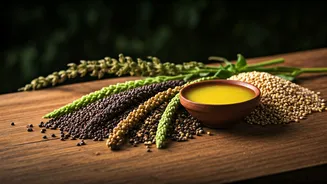
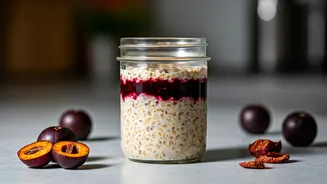
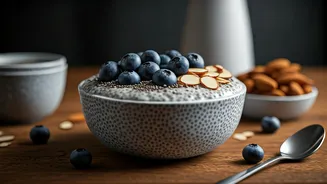
At its core, a chia bowl is deceptively simple. It starts with chia seeds—tiny black or white seeds from the Salvia hispanica plant—soaked in a liquid like milk, almond milk, coconut milk, or even just water. As they soak, the seeds absorb the liquid and
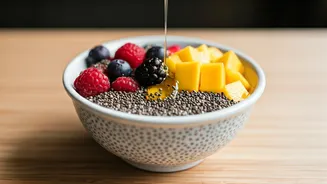
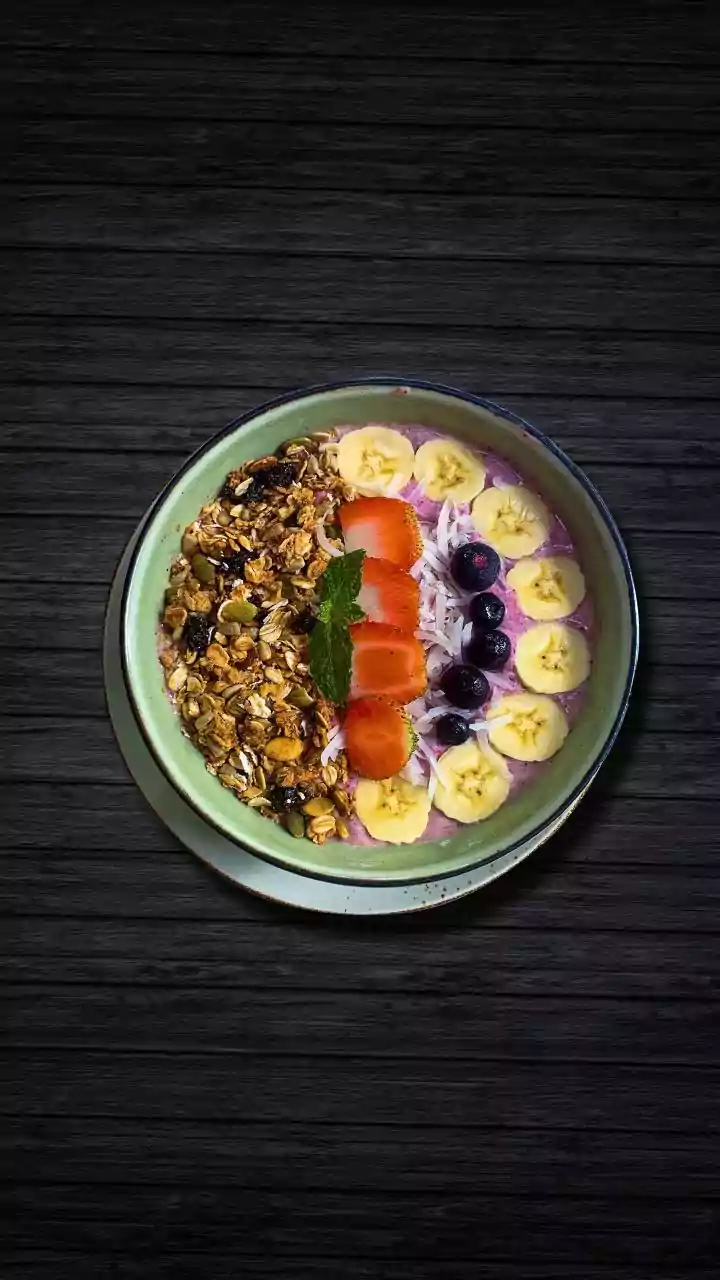
form a gelatinous, pudding-like consistency. This thick, creamy base becomes the canvas for an endless variety of toppings. Think fresh fruits like mangoes and berries, crunchy nuts and seeds, a drizzle of honey or maple syrup, and maybe a pinch of cardamom or cinnamon. It’s not just a breakfast; it's a customizable meal that can be tailored to any taste, making it a versatile option for a quick snack or a light dessert, too.
The Nutritional Powerhouse
The primary driver behind the chia bowl's popularity is its impressive nutritional profile. These tiny seeds are packed with goodness. They are an excellent source of dietary fibre, which is crucial for digestive health and helps you feel full longer, curbing mid-day snack cravings. They are also one of the best plant-based sources of omega-3 fatty acids, which are vital for brain health and reducing inflammation. Beyond that, chia seeds offer a solid dose of protein, essential minerals like calcium and magnesium, and a host of antioxidants. For a generation of Indians increasingly focused on mindful eating and nutrient-dense foods, the chia bowl presents a perfect package: a low-effort meal that delivers a high-impact nutritional punch.
Why Now? The Social Media Effect
Health benefits alone don't explain the sudden 'spike'. The real catalyst is the visual appeal. Chia bowls are incredibly photogenic. The layers of pudding, vibrant fruit, and carefully arranged toppings make for a stunning picture that’s tailor-made for Instagram feeds and Pinterest boards. Wellness influencers and food bloggers have championed the chia bowl as a symbol of 'clean eating' and an aspirational, healthy lifestyle. As users log their meals on nutrition apps, the trend gains visibility and data-backed momentum. This creates a powerful feedback loop: you see it online, you try it, you log it, and you post it, inspiring others to do the same. It's a health trend that performs as well on camera as it does for your body.
The Indian Twist on a Global Trend
While the chia bowl is a global phenomenon, it has found a unique home in the Indian kitchen. We aren't just adopting the trend; we're adapting it with our own rich palette of flavours. Instead of just berries and bananas, you'll find chia bowls in India topped with juicy Alphonso mangoes, pomegranate jewels, and sliced chikoo. The soaking liquid is often infused with a pinch of saffron (kesar) or cardamom (elaichi) powder, giving it a familiar, comforting aroma reminiscent of kheer or phirni. Some even incorporate gulkand (rose petal jam) for a floral sweetness. This fusion of a modern health food with traditional Indian tastes makes the chia bowl feel less like a foreign import and more like a contemporary evolution of our own culinary heritage.
Your First Chia Bowl: A Simple Start
Intrigued enough to try it? Making a basic chia bowl is incredibly easy. The key is the ratio. A good starting point is 2 tablespoons of chia seeds to half a cup (about 120ml) of your preferred liquid—dairy milk, almond milk, or coconut water all work well. For a sweeter base, you can add a small amount of honey, jaggery syrup, or maple syrup. Mix everything together in a jar or bowl, ensuring there are no clumps. Cover it and let it sit in the refrigerator for at least 4 hours, or ideally, overnight. By morning, you’ll have a thick, ready-to-eat pudding. From there, get creative with toppings: fresh fruit, toasted nuts, a spoonful of yogurt, or a sprinkle of toasted coconut are all fantastic options.