





More Than Just a Weather Pattern
El Niño is the warm phase of the El Niño-Southern Oscillation (ENSO), a natural phenomenon involving fluctuating ocean temperatures in the equatorial Pacific. This warming disrupts atmospheric circulation, altering weather patterns globally. For India,
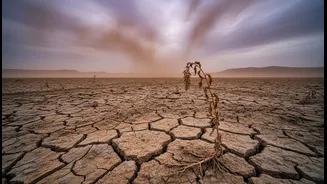
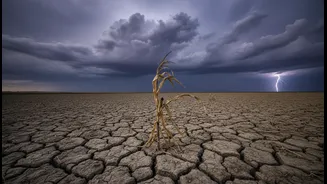
it often means a weaker summer monsoon, which is the lifeblood of the nation's agriculture. Historically, a significant number of India's drought years have coincided with El Niño events. However, the relationship is not one-to-one; not every El Niño year results in a drought, and other climate factors can sometimes offset its effects. But when it does hit hard, its impact is felt far beyond the farm.
The Domino Effect on Farms and Food
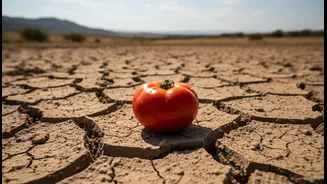
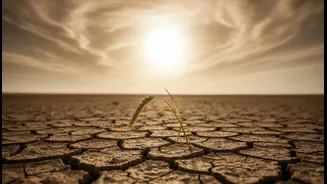
Agriculture is the first and most direct casualty. With nearly half the country's workforce employed in agriculture and over half the farmland dependent on rainfall, a deficient monsoon can be catastrophic. Delayed or insufficient rains disrupt the sowing of crucial kharif crops like rice, pulses, and cotton, leading to lower yields and reduced farm incomes. This directly affects the livelihoods of millions. The government often responds with measures like subsidies and by tapping into massive grain reserves, but a prolonged or severe El Niño can still lead to significant agricultural distress and threaten food security.
From Fields to Financial Markets
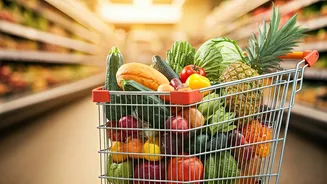
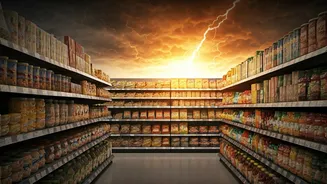
The economic ripples of a bad monsoon travel quickly. A drop in agricultural output directly pulls down the country's GDP growth. But the secondary effects are just as damaging. When rural incomes fall, so does demand for goods like tractors, motorcycles, and other consumer products, slowing down industrial activity. Simultaneously, lower crop production leads to a spike in food prices. This food inflation not only hurts household budgets across the country but also constrains the Reserve Bank of India's ability to lower interest rates to boost economic activity. Furthermore, low water levels in reservoirs threaten hydropower generation, putting additional strain on the power sector.
A Hidden Public Health Crisis
The challenges posed by El Niño extend into public health. Intense heatwaves, which are often amplified during El Niño years, increase the risk of heatstroke and dehydration, particularly for the elderly, children, and those with chronic illnesses. Higher temperatures can also worsen air pollution, triggering respiratory problems. Moreover, erratic rainfall creates a dual threat: droughts can lead to water scarcity and poor sanitation, while periods of intense, irregular rain can create breeding grounds for mosquitoes, increasing the risk of vector-borne diseases like dengue and malaria. These cascading health impacts can strain public healthcare systems that are already under pressure.
Searching for Long-Term Resilience
The complexity of the El Niño challenge shows that simple, reactive solutions are not enough. Tackling it requires a multi-pronged, long-term strategy focused on building resilience. This involves more than just immediate disaster relief. India has been increasingly focused on strengthening climate resilience through better forecasting, promoting climate-resilient seed varieties, and expanding crop insurance. Experts also advocate for a shift towards more sustainable practices, such as diversifying cropping systems, improving water stewardship through rainwater harvesting, and rebuilding soil health. Community-led initiatives in states like Maharashtra, focusing on water budgeting and ecosystem restoration, show the power of decentralized planning. These efforts aim to reduce dependence on the monsoon and create systems that can better withstand climate shocks.