


What 'Space Exposure' Really Means
When we talk about 'space exposure', it's about much more than just looking up at the night sky. In an educational context, it refers to a wide range of hands-on activities that make the cosmos tangible. This includes everything from building and launching
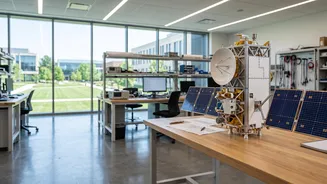
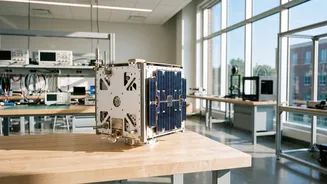
model rockets to participating in workshops on satellite technology, and even learning to code for miniature satellites known as CubeSats. For younger students, it might begin with a visit to a planetarium or a mobile exhibition like ISRO's 'Space on Wheels' bus, which brings the wonders of space technology directly to their communities. These experiences transform abstract concepts from textbooks into exciting, real-world challenges. Instead of just reading about gravity and propulsion, students can see these principles in action, fostering a deeper, more intuitive understanding of complex scientific ideas.
An Engine for Inspiration
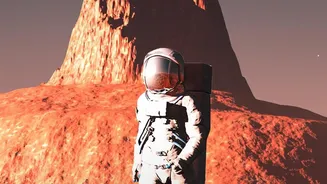
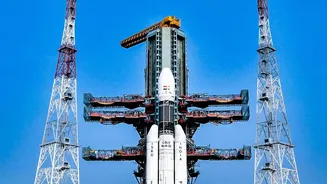
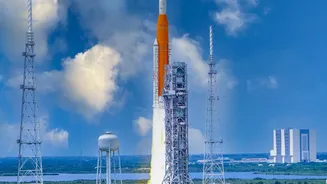
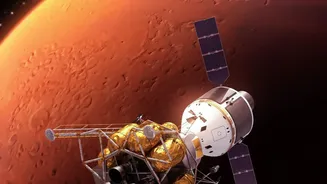
The single biggest contribution of space exploration to education is inspiration. Grand national achievements, such as the Chandrayaan missions, have a profound effect on the national psyche, sparking immense curiosity among students. These missions make daunting subjects like physics, advanced mathematics, and engineering feel purposeful. Suddenly, complex equations are not just problems on a page; they are the tools that guide a rover on Mars or place a satellite in orbit. This 'inspiration effect' is critical. It helps students overcome the apprehension that STEM subjects are too difficult by connecting them to an exciting, ambitious goal. Witnessing the collaborative effort of thousands of scientists and engineers to achieve a singular, monumental goal demonstrates the power of teamwork and perseverance, motivating students to dream bigger about their own potential contributions.
Building Practical, In-Demand Skills
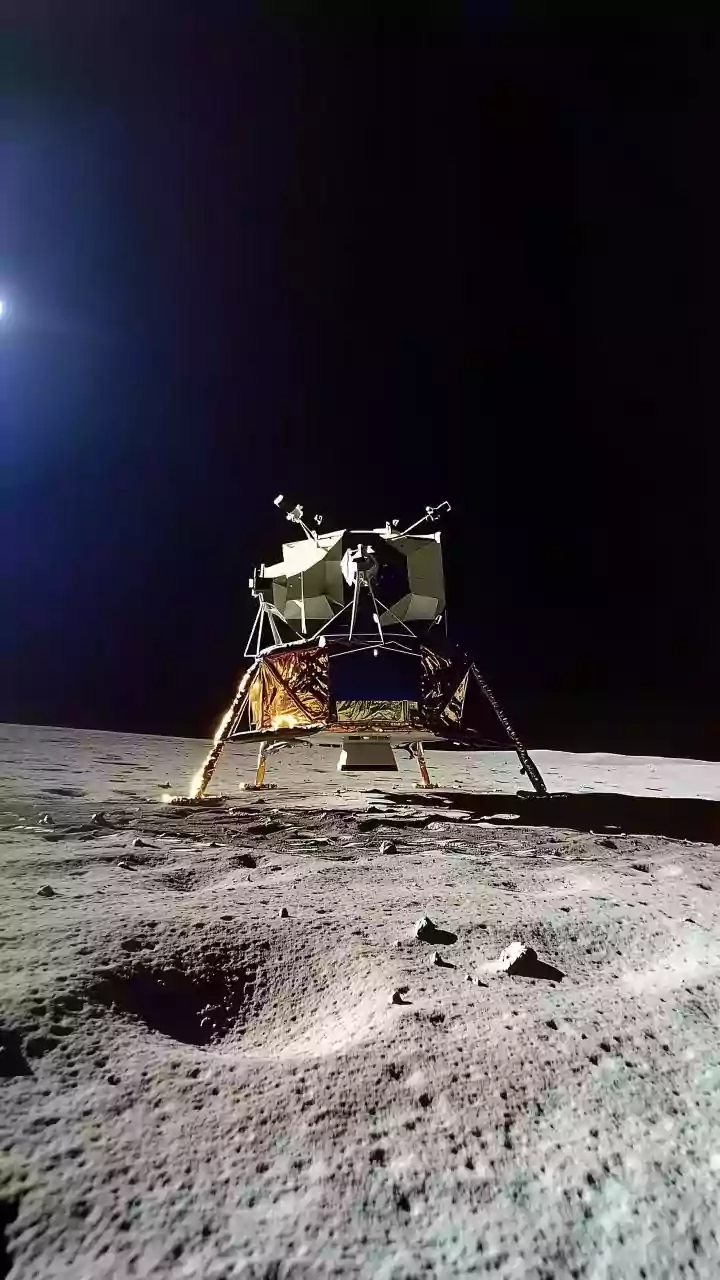
Beyond inspiration, space-related activities are powerful tools for developing concrete STEM skills. Planning a hypothetical mission to another planet, for instance, is an interdisciplinary exercise that touches on biology, chemistry, engineering, and data analysis. Building a model lander teaches students about structural integrity and iteration, showing them that failure is not an endpoint but a valuable part of the design process. Similarly, analysing satellite imagery can introduce them to data science, while robotics projects designed for 'space exploration' teach coding and automation. These activities nurture critical thinking, problem-solving, and resilience in a way that traditional classroom learning often cannot. They bridge the gap between theoretical knowledge and practical application, equipping students with a versatile skill set that is highly sought after in the modern workforce.
India's Launchpad for Young Minds
Recognising this potential, the Indian Space Research Organisation (ISRO) has developed several key outreach initiatives. The flagship 'Young Scientist Programme', or YUVIKA, is a two-week residential programme that gives Class 9 students hands-on training and the chance to interact with senior scientists. The programme explicitly aims to encourage students to pursue STEM careers, with a preference for applicants from rural areas to ensure broad access. Furthermore, ISRO has adopted 100 Atal Tinkering Labs (ATLs) across the country. These labs, part of a NITI Aayog mission, provide schools with tools like 3D printers and robotics kits, creating dedicated spaces for innovation. Through this adoption, ISRO scientists directly mentor students, helping them develop their ideas and fostering a culture of scientific curiosity from an early age. Other initiatives like the START online training programme and NE-SPARKS for students in the North-Eastern Region further expand this educational ecosystem.