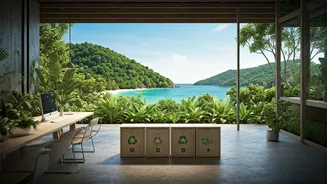







What 'Green Certified' Really Means
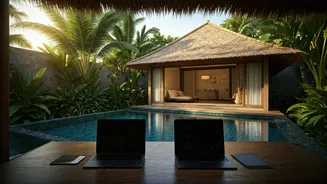
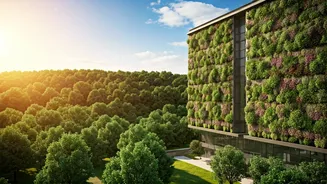
When you hear “green certified” in Bali, it’s not just a marketing buzzword for a villa with extra pot plants. This refers to properties designed and operated with a tangible commitment to sustainability. Think beyond basic recycling. These hubs often
incorporate sophisticated rainwater harvesting systems, greywater recycling for gardens, and passive cooling designs that reduce or eliminate the need for constant air-conditioning. Materials are another key factor, with a focus on locally sourced, renewable resources like bamboo, reclaimed teak, and natural stone. Some properties even pursue formal certifications like EDGE (Excellence in Design for Greater Efficiencies) or follow guidelines from the Green Building Council Indonesia, ensuring their eco-claims are backed by real performance metrics in energy and water savings.
The Post-Pandemic Push for Purpose
So, why the sudden surge? The pandemic acted as a powerful catalyst. As remote work became the norm, a new wave of nomads descended on Bali—not for a fleeting three-month visa run, but for longer, more immersive stays. This shift changed priorities. The transient party scene of Canggu still exists, but many are now seeking a deeper connection to their environment and community. After months of being confined indoors, the appeal of living in a space that promotes wellness—with clean air, natural light, and organic gardens—is stronger than ever. This new nomad is often older, more financially established, and willing to pay a premium for a living arrangement that aligns with their values of health, sustainability, and mindful living.
From 'Greenwashing' to Genuinely Green
With any popular trend, the risk of “greenwashing”—making unsubstantiated claims to deceive consumers—is real. How can you tell the difference? A genuinely sustainable hub is transparent about its practices. They won't just say they're “eco-friendly”; they’ll tell you *how*. They might detail their waste management program (which often includes composting), name the local farms that supply their café, or explain their water conservation technology. They are also deeply integrated into the local community, employing local staff, supporting local artisans, and contributing to village life beyond just paying rent. A truly green property understands that sustainability isn't just about environmental impact; it's also about social and economic responsibility.
The Epicentres of Eco-Living
This movement is most concentrated in areas already known for their wellness-forward vibe. Ubud, the island's spiritual heart, has long been a centre for yoga, vegan food, and conscious living, making it a natural fit for green co-living spaces. Canggu, despite its reputation as a party town, is seeing a rise in sophisticated, eco-conscious enclaves that offer a quiet retreat from the main drag. Further south, the serene cliff-sides of Uluwatu are also becoming a hotspot for luxury eco-villas that combine stunning views with sustainable design. These locations offer the perfect ecosystem for the trend: access to world-class surf, yoga studios, healthy cafes, and fast Wi-Fi, all within a community that shares a similar mindset.
A Value-Driven Investment
Let's be clear: these green-certified hubs are rarely the cheapest option on the market. Building and maintaining them requires a significant upfront investment, which is often reflected in the rental price. However, residents view it as an investment in their quality of life. The premium pays for more than just a room; it pays for a curated community, a healthier living environment, and the peace of mind that comes from knowing your footprint is a little lighter. For many, the ability to live in a beautiful, thoughtfully designed space that doesn't compromise their values is a form of luxury that no infinity pool alone can provide.