
The morning rush is real. Between getting ready and racing out the door, packing a healthy lunch often falls to the bottom of the list. But with a few smart strategies, you can avoid the takeaway trap and enjoy a nutritious, stress-free midday meal.
Embrace Weekend Batch Cooking
The
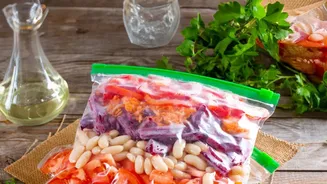
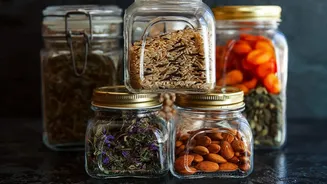
single most effective strategy for saving time is to cook key components in bulk over the weekend. Dedicate an hour or two on a Sunday to prepare foundational ingredients. Cook a large batch of a versatile grain like quinoa, brown rice, or couscous. Roast a big tray of mixed vegetables such as broccoli, bell peppers, and sweet potatoes. You can also grill or bake a few portions of lean protein like chicken breast or tofu. Once cooled, store these components in separate airtight containers in the fridge. This allows you to quickly assemble a variety of meals throughout the week without having to cook from scratch each day.
Think in Components, Not Recipes
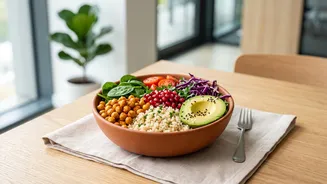
Instead of planning five different complex meals, think of your lunchbox in terms of a simple formula: grain + protein + vegetable + healthy fat + flavour. This modular approach makes assembly fast and prevents boredom. Using your batch-cooked items, you can create a quinoa bowl with chicken and roasted veggies on Monday, then a rice bowl with tofu and a sprinkle of nuts on Tuesday. The formula, inspired by Harvard's Healthy Eating Plate, ensures a balanced meal that keeps you full and focused. Keep dressings, sauces, nuts, and seeds separate to add right before eating.
Master the Mason Jar Salad
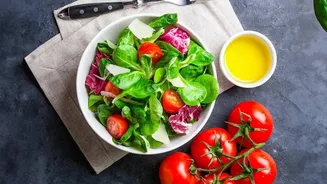
The mason jar salad is a meal-prep classic for a reason: it keeps greens from getting soggy. The trick is strategic layering. Pour the dressing into the bottom of the jar first. Next, add hard, non-absorbent vegetables like cherry tomatoes, cucumbers, or carrots. Follow that with your grains and proteins. Finally, pack the leafy greens and any nuts or seeds at the very top. When you're ready for lunch, just shake the jar to distribute the dressing, and pour it into a bowl. You can prepare several of these at the start of the week for a quick grab-and-go option.
Utilise Smart Containers
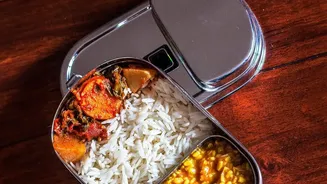
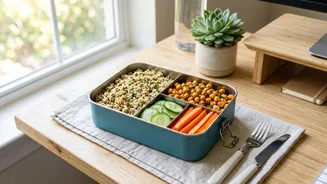
Investing in the right containers can be a game-changer. Bento-style boxes with multiple compartments are perfect for keeping different food items separate, which is key for maintaining texture and freshness. This prevents your crackers from getting soggy from your hummus or your fruit from making your sandwich damp. Glass containers are great because they don't absorb stains or odours and can be safely used in a microwave, but lightweight BPA-free plastic is a practical choice for commuters. Having a set of pre-portioned containers ready makes the morning assembly process almost automatic.
Plan for No-Heat Lunches
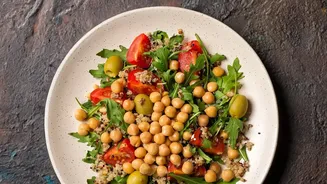
Not every workplace has a microwave, and sometimes you just don't want a hot meal. Planning for no-cook or no-heat lunches expands your options and simplifies prep. Whole wheat wraps or pitas are a great base for lean protein and fresh vegetables. A chickpea salad sandwich, a Mediterranean-inspired bowl with hummus and feta, or cold noodle salads are all delicious at room temperature. You can also assemble skewers with ingredients like cherry tomatoes, mozzarella balls, and deli turkey for a fun, easy-to_eat meal.
Don't Forget the Freezer
Your freezer is an underutilised meal_prep tool. Soups, stews, and chilis are ideal for making in large batches and freezing in individual portions. Simply pull one out the night before to thaw in the refrigerator. You can also freeze components like cooked grains or portions of shredded chicken. This creates a backup system for extra_busy weeks when even minimal prep feels like too much, ensuring you always have a healthy option on hand and aren't forced to resort to less healthy, more expensive choices.