







Start With the Centrepiece: The Ganesh Idol
The most significant expense is often the Ganesh murti itself. Prices can vary dramatically based on size, material, and intricacy. A small, eco-friendly clay idol might start from ₹2,000, while larger, more ornate idols can cost ₹50,000 or more. Many
artisans now offer eco-friendly options made from Shadu clay or papier-mâché, which are not only sustainable but can also be more budget-friendly. It's wise to book your idol a few weeks in advance to get the design you want and avoid last-minute price hikes.
Setting the Stage: Decorations and Lighting
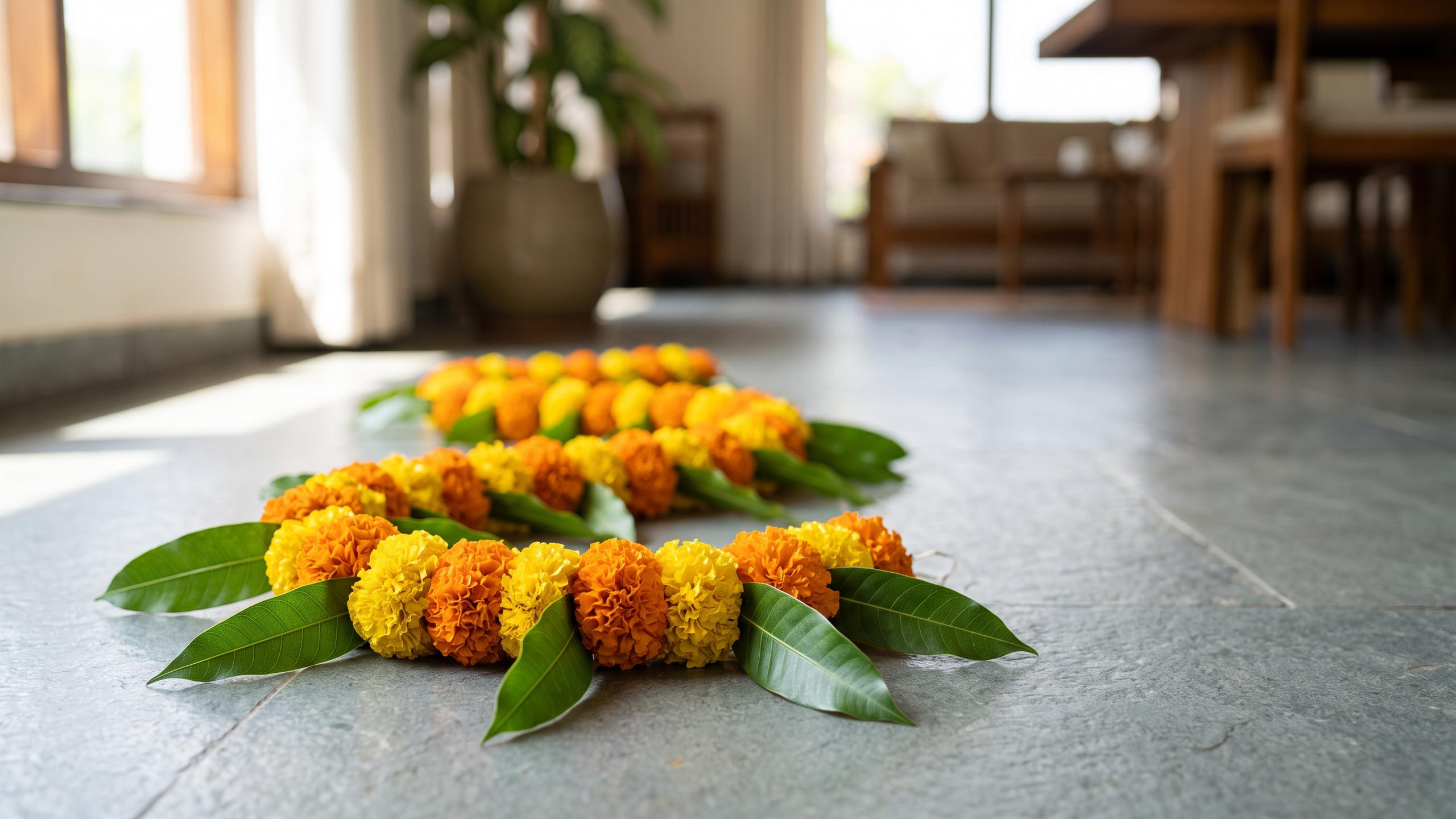
The decoration (pandal or makhar) sets the festive mood. Costs can range from a modest ₹1,500 for a simple flower and light setup to over ₹15,000 for elaborate themed decorations. To save money, consider DIY decorations using paper, fabric, and other household items. Reusing lights and decorative pieces from previous festivals is another great way to cut costs. For fresh flowers like marigolds and hibiscus, buying from local markets instead of florists can lead to significant savings, but purchase them close to the festival date to ensure freshness.
Essentials for Worship: Puja Samagri
The list of puja samagri can be extensive, including items like a kalash, chowki, red cloth, kumkum, haldi, chandan, akshat, incense (agarbatti), camphor (kapur), and cotton wicks. A key offering is Durva grass, which is essential for the rituals. While you can buy these items individually, purchasing a pre-packaged Ganesh Puja kit can sometimes be more economical and ensures you don't miss anything. Plan to buy non-perishable items well in advance to avoid festive season price surges.
Feasting and Offerings: Prasad and Food
No Ganesh Chaturthi celebration is complete without modak, Lord Ganesha's favourite sweet. Whether you make them at home or buy them, factor in the cost of ingredients like rice flour, jaggery, coconut, and dry fruits. Your budget should also account for other prasad items and meals for family and guests who visit. This category includes fruits, especially coconuts and bananas, as well as ingredients for Panchamrit (a mix of milk, curd, ghee, honey, and sugar). Planning your menu and shopping for groceries with a clear list will prevent overspending.
Festive Attire and Gifting
It is traditional for families to wear new clothes during the festival. Set a budget for each family member's attire. Shopping during pre-festival sales can help manage these costs effectively. Gifting is also a significant part of the celebration, whether it's for close family or return gifts for guests. Small brass idols, diyas, or boxes of sweets are popular gift choices. A budget for gifts can range from under ₹500 for small tokens to several thousand rupees for more significant presents for close relatives.
Miscellaneous and Post-Festival Expenses
Don't forget to account for other potential costs. This can include contributions to your local community pandal, transportation for visarjan (immersion), and any professional services you might hire, like a decorator or a priest. It's always a good idea to keep a small contingency fund—around 10% of your total budget—for any unexpected expenses that may arise. This ensures that you can handle small surprises without derailing your entire financial plan.