

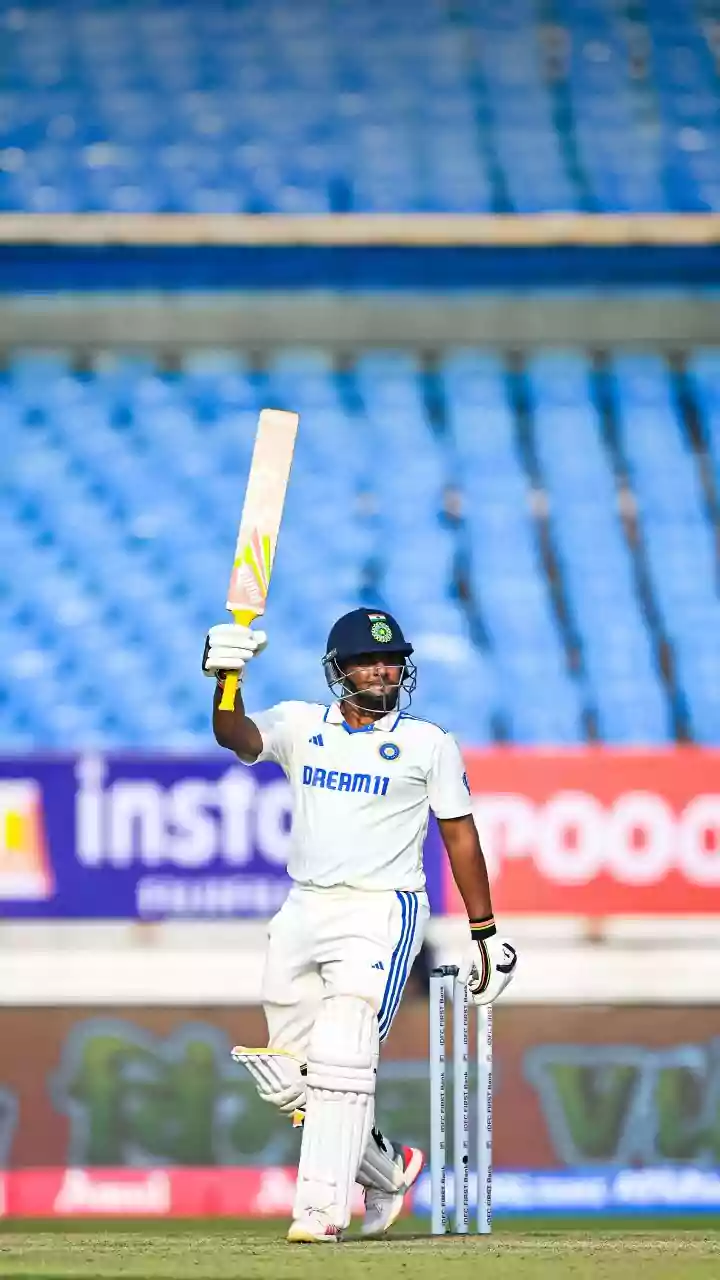


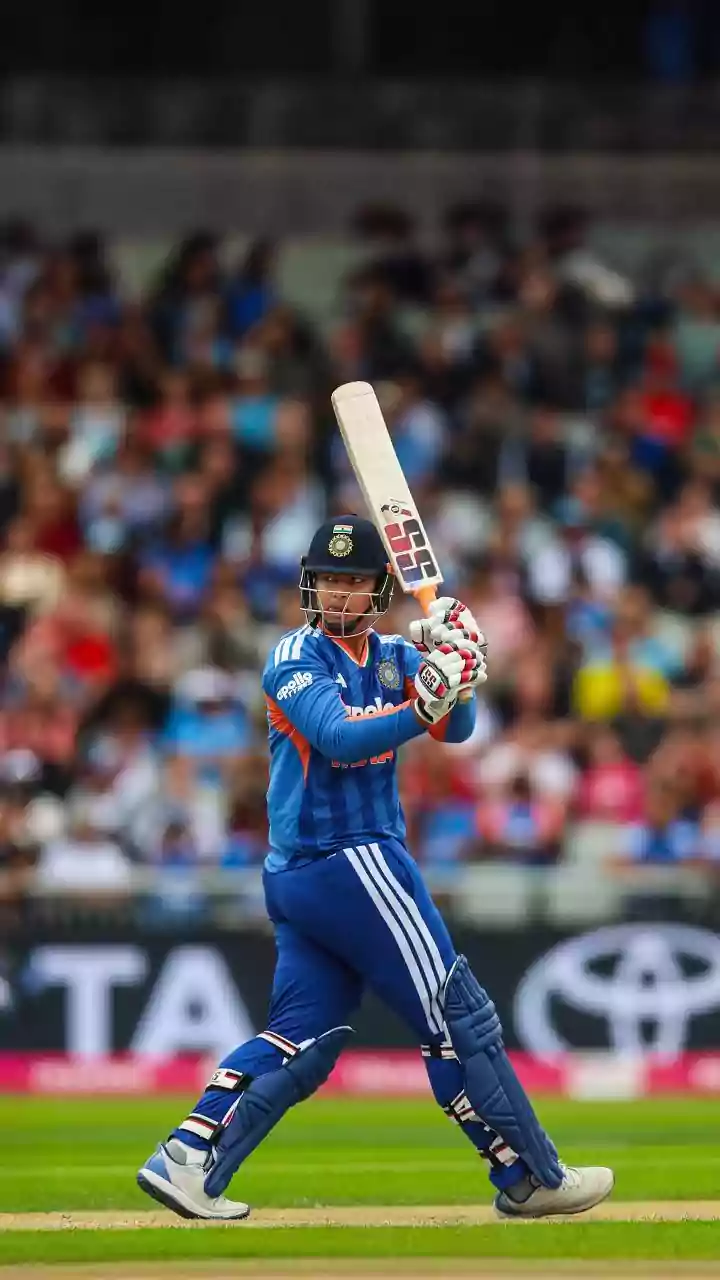



The Challenge: Conquering Sri Lankan Spin
For any visiting batter, Sri Lanka presents a formidable trial by spin. The pitches are known to turn, and local spinners are masters of their craft. Ahead of a pivotal Test series, Devdutt Padikkal knew that his success depended on more than just good
form; it required specialist preparation. After a period of waiting for his chance to cement a place in the Indian Test side, the Karnataka batsman decided to leave nothing to chance. He turned to his childhood coach, Mohammad Naseeruddin, in Bengaluru to devise a plan specifically tailored to counter the island nation's spin threat. The goal was clear: to be so thoroughly prepared that the conditions in Sri Lanka would feel familiar.
Recreating Match Conditions in Bengaluru
The core of Padikkal's new regimen was meticulous simulation. Instead of practicing with the standard SG balls used in India, he procured Kookaburra balls, the same brand used for Test matches in Sri Lanka. This seemingly small change has a significant impact on how the ball behaves off the pitch and in the air. But the simulation didn't stop there. With his coach, Padikkal arranged for practice sessions on specially prepared pitches in Bengaluru that were designed to offer copious turn, mimicking the wickets he would face in Galle and Colombo. This allowed him to get accustomed to the exaggerated spin and bounce, training his eye and feet to react instinctively.
Intense, High-Volume Spin Sessions
To master spin, you have to face it relentlessly. Padikkal dedicated himself to marathon batting sessions, spending nearly three hours every day facing a variety of spin bowlers. His coaching team brought in left-arm spinners and off-spinners of different heights and bowling actions to ensure he was prepared for every possible angle and variation the Sri Lankan bowlers could throw at him. This high-volume practice was not just about survival; it was about learning to dominate. Reports from these sessions noted his exceptional judgment of length and footwork, using the front foot to smother the spin or coming down the track to attack, ensuring he was never a sitting duck. This intense focus on playing spin was a significant departure from a more generalized training approach.
Subtle Technical Adjustments
Beyond the specific drills, Padikkal and his coach also worked on fine-tuning his technique. Naseeruddin noted that they made minute but crucial changes to his batting stance. The adjustments involved staying a bit lower in his stance and ensuring he was playing closer to the ball. This modification helps a batter get to the pitch of the ball more effectively, reducing the chances of being beaten by turn or bounce. These technical tweaks were built on years of hard work, especially after facing health struggles that had previously impacted his fitness and weight. His renewed focus on physical conditioning, inspired by advice from Virat Kohli about modern cricket being 50% fitness, formed the foundation for this specialized technical work.
Mental Fortitude and a Fresh Mindset
The time away from the Indian team could have been frustrating, but Padikkal channelled it into productive work. His coaches noted his patience and mental strength, emphasizing that he was determined to be ready whenever the opportunity arose. Part of this different preparation also involved knowing when to switch off. Following the intense training block in Bengaluru, Padikkal took a short trip to mentally reset and stay fresh before joining the national squad. This combination of granular on-field preparation and off-field mental management reflects a mature approach to the high-pressure world of international cricket. The hard work paid immediate dividends, as he scored an unbeaten 142 in the warm-up match in Sri Lanka, all but securing his place in the Test XI.