







Why the Monsoon Magnifies Risk
The rainy season's defining feature, high humidity, is the main culprit behind increased food safety concerns. When moisture in the air is high, it creates the perfect breeding ground for bacteria, yeasts, and moulds on food surfaces. Unlike dry weather,
this moisture doesn't evaporate quickly, giving microbes more time to multiply, especially on the nutrient-rich, exposed flesh of cut fruits. This environment can accelerate spoilage and significantly raise the risk of consuming contaminated food. Pathogens like Salmonella, E. coli, and Listeria, which are of great concern for fresh produce, can thrive in these conditions, turning a healthy snack into a source of potential foodborne illness.
The Hazards of Street-Side Fruit
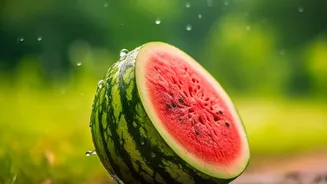
Tempting as they are, plates of pre-cut watermelon, pineapple, and papaya from street vendors are particularly risky during the monsoon. These fruits are often cut and left exposed for hours, attracting dust and flies. The knives, cutting boards, and the vendor's hands can introduce contaminants. Furthermore, the water used to wash the fruit or rinse utensils may not be potable, especially during a season when water sources are more prone to contamination. FSSAI guidelines stress the use of potable water and hygienic practices, but enforcement can be inconsistent, making it safer to avoid pre-cut fruits from stalls where hygiene is uncertain.
Smart Buying Starts with Whole Fruits
The safest approach is to buy fruits whole and prepare them at home. When shopping, choose fruits that are not bruised, damaged, or showing signs of mould. The skin of a fruit is its natural protective barrier against contamination. For fruits like melons, whose rinds can harbour dirt and bacteria, make sure the exterior is firm and intact. Avoid purchasing fruits that have been artificially ripened using banned substances like calcium carbide, a practice FSSAI strictly prohibits. Opt for fresh, seasonal produce from reputable vendors to ensure better quality and safety.
Safe Washing and Cutting at Home
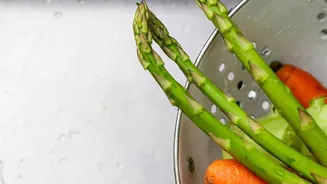
Proper preparation at home is your best defence. Always wash your hands thoroughly with soap and water before handling food. Wash all fruits under clean, running potable water, even those with peels you don't eat, like bananas and melons. This prevents surface contaminants from being transferred by the knife to the fruit's flesh. For firm-skinned fruits, it is a good practice to use a clean brush to scrub the surface. Use clean knives and cutting boards, and ideally, have a separate board designated just for produce to avoid cross-contamination from raw meat or poultry. Cut away any bruised or damaged spots before eating.
Proper Storage is Key
Once a fruit is cut, it should be eaten immediately or refrigerated promptly. Do not leave cut fruits at room temperature for more than two hours. To store, place them in clean, airtight containers and keep them in the refrigerator at 4°C or below. Storing them correctly not only maintains safety but also preserves freshness and nutritional value. Be mindful not to over-pack your refrigerator's crisper drawer, as good air circulation is important to control moisture and reduce spoilage. For better organisation and safety, store cut fruits away from raw meat, poultry, and seafood to prevent any drips that could spread harmful bacteria.
Know the Signs of Spoilage
Trust your senses. Before eating any stored cut fruit, inspect it carefully. Discard any fruit that has an off-smell, unusual taste, or shows signs of discoloration. A slimy texture is a clear indicator of decay and bacterial growth. The presence of mould, which can appear as fuzzy spots, also means the fruit is no longer safe to eat. Remember, you cannot see, smell, or taste the bacteria that cause foodborne illness, so when in doubt, it is always safest to throw it out. Never taste food to check if it has spoiled.