



The Plastic Predicament
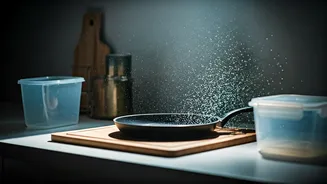
For decades, plastic containers were the undisputed champions of leftovers. They were cheap, lightweight, and convenient. But our reliance on them has come with costs. Growing awareness around chemicals like BPA and phthalates, which can leach into food,
has made many consumers wary. Studies have linked these endocrine-disrupting chemicals to a range of health issues. Beyond health, there's the environmental toll of plastic waste and the discovery of microplastics in our food and bodies. Plus, on a practical level, anyone who has tried to scrub a tomato sauce stain from a plastic container or dealt with a lingering curry smell knows their limitations.
Glass: The Clear Winner
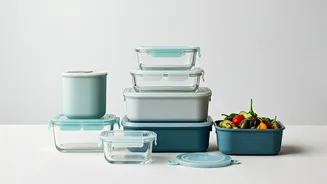
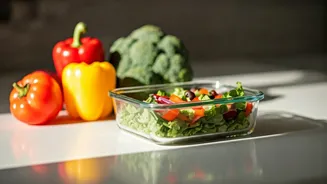
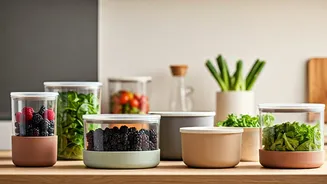
Enter glass, the comeback kid of food storage. Its primary advantage is its non-porous and chemically inert nature. Glass doesn't leach chemicals, absorb food odors, or stain, which means your food tastes exactly as it should. Many glass containers are also incredibly versatile, safely going from the freezer to the microwave or even the oven (with the lid off), something that is not recommended for plastic. While the initial investment might be higher, the durability and longevity of glass often make it more economical in the long run. This shift is also driven by aesthetics; clear, uniform glass jars create the tidy, visually pleasing pantries popular on social media.
Durable and Sleek: Stainless Steel
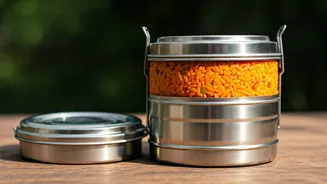
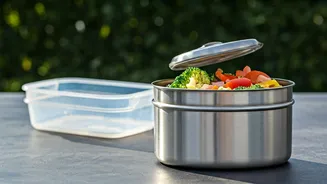
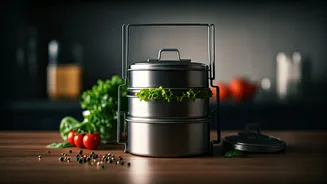
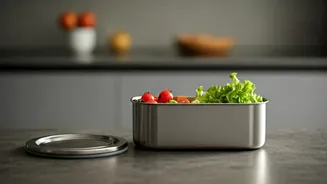
Stainless steel is another major player in this new era. Renowned for its durability, it's a nearly indestructible option perfect for lunch boxes and on-the-go meals. Unlike plastic, it won’t crack or warp, and unlike glass, it's not at risk of shattering if dropped. Like glass, stainless steel is non-reactive, so it won’t impart any flavors into your food or absorb odors, and its smooth surface resists bacteria growth. As a reusable and highly recyclable material, it’s a strong choice for those looking to reduce their environmental footprint. While not microwave-safe, its lightweight yet robust nature makes it a favorite for both adults' work bags and kids' school lunches.
The Flexible Alternatives: Silicone and Beeswax
The material era isn't just about rigid containers. Flexible solutions are also gaining ground. Food-grade silicone, which is free of BPA and other plasticizers, has emerged as a popular choice for reusable bags and storage. It’s highly resistant to extreme temperatures, making it safe for the freezer, microwave, oven, and dishwasher. Because it doesn't break down into microplastics, it's considered a more ocean-friendly option than single-use plastic bags. For wrapping sandwiches or covering bowls, beeswax wraps have become a go-to sustainable alternative to plastic wrap. Made from natural ingredients like cotton, beeswax, and jojoba oil, these wraps are reusable, breathable, and compostable at the end of their life, which is typically about a year. The natural antibacterial properties of beeswax can also help keep food fresh longer.
An Intentional Kitchen
This movement is about more than just a one-for-one replacement. It's part of a broader trend toward more intentional living. Consumers are increasingly seeking products that are not only functional but also healthy, sustainable, and aesthetically pleasing. The rise of the "display pantry," where organization itself is a form of decor, reflects a desire for order and beauty in everyday spaces. Choosing long-lasting materials like glass and steel over disposable plastic is a conscious decision to invest in quality and reduce waste. It signals a shift in mindset: from temporary convenience to lasting value, transforming the kitchen from a purely utilitarian space into a curated environment that reflects personal values.