
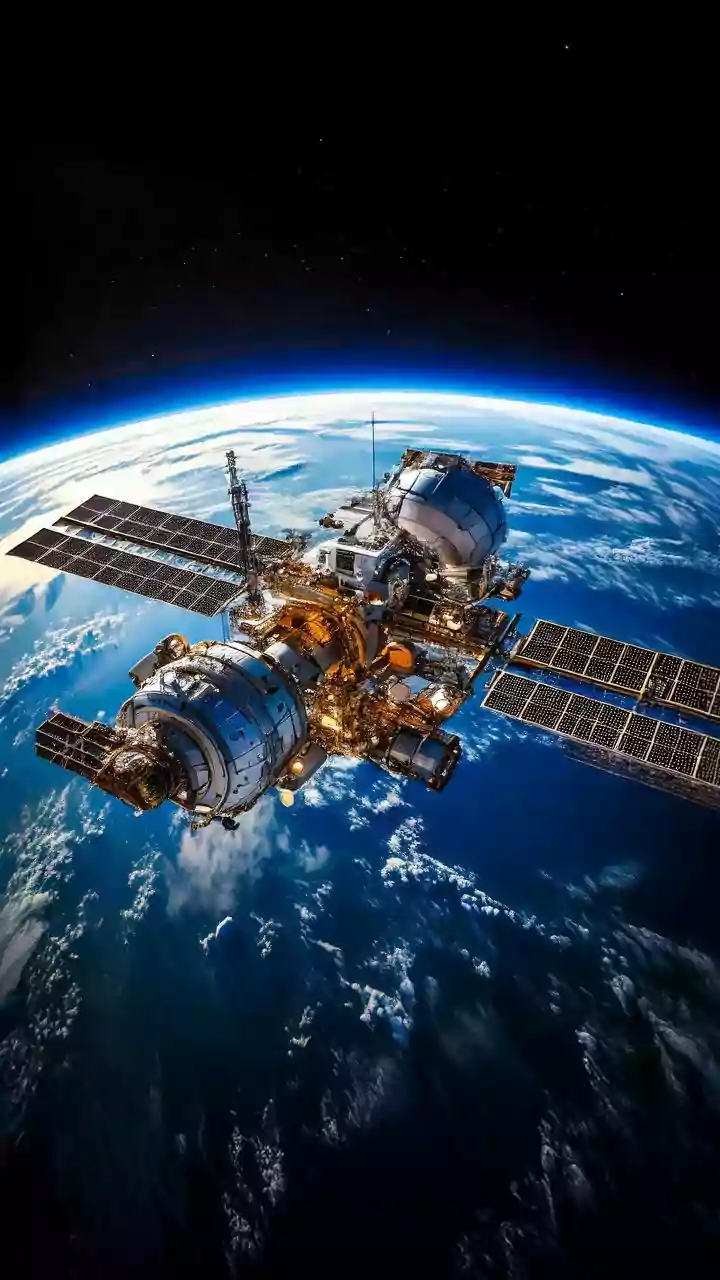

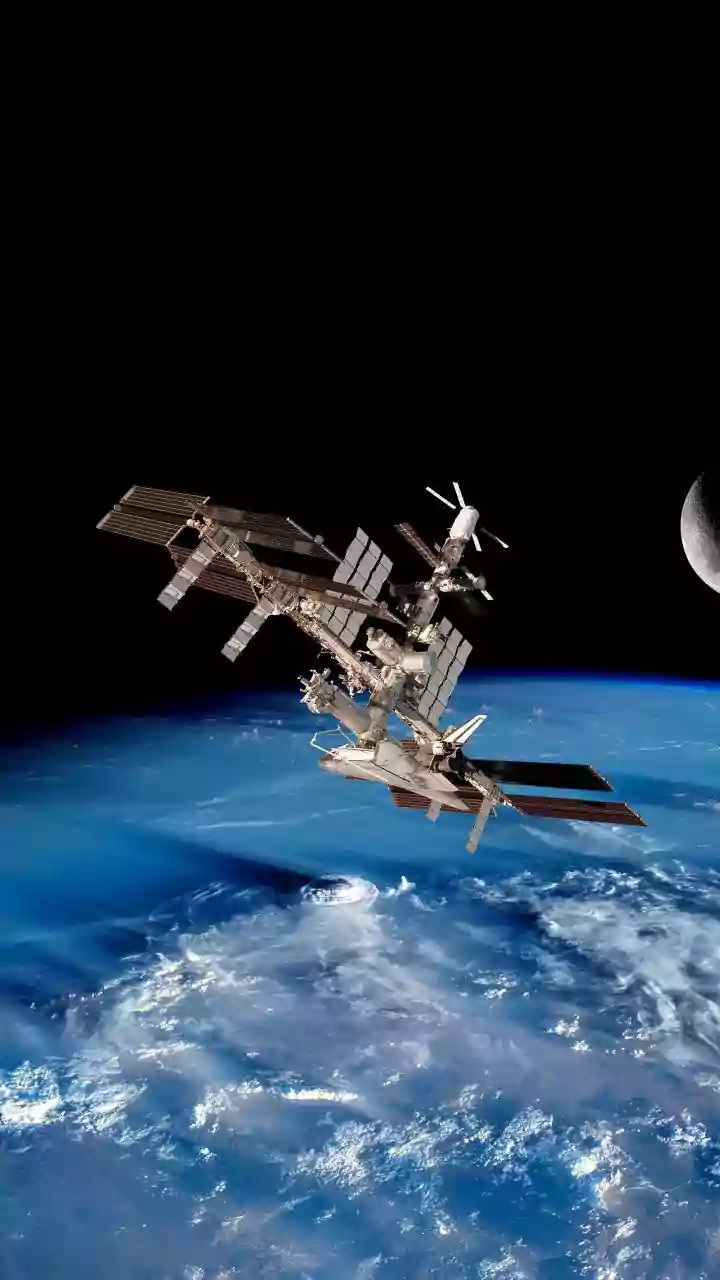





An Orbit Every 90 Minutes
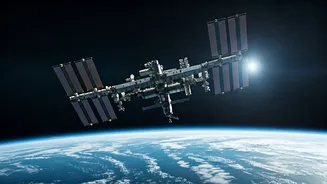
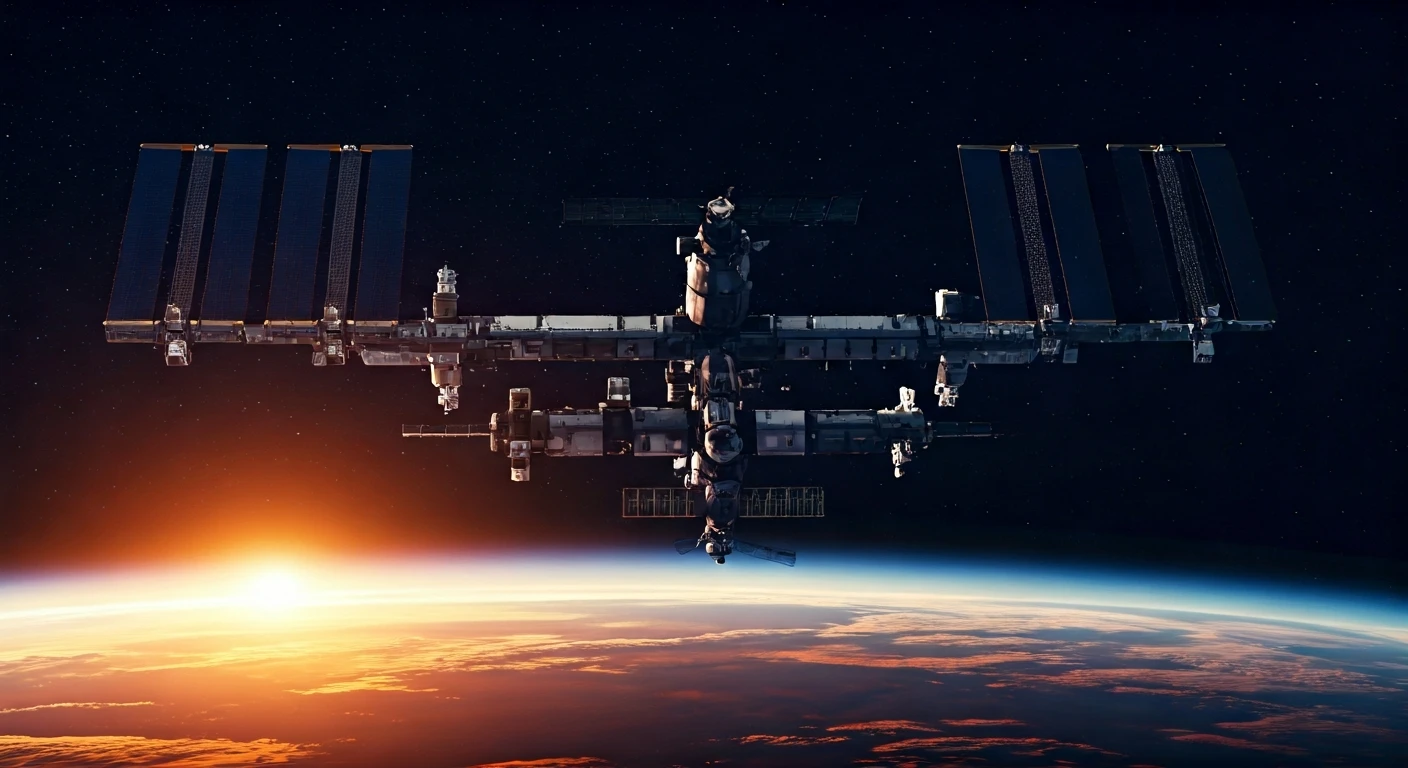
The simple reason for the multiple sunrises is the incredible speed of the International Space Station (ISS). The station zooms around Earth at approximately 28,000 kilometres per hour. At this velocity, it completes one full orbit of our planet in about
90 to 93 minutes. When you do the maths, a 24-hour day divided by a 90-minute orbit results in approximately 16 trips around the world. For the crew on board, each of these laps brings them through Earth's shadow (night) and back into sunlight (day), creating a rapid cycle of dawn and dusk.
The Physics of Staying in Orbit
This blistering speed isn't just for show; it's a fundamental requirement of staying in orbit. The ISS resides in what is known as Low Earth Orbit, at an altitude of about 400 kilometres. At this height, Earth's gravity is still very strong. The station is essentially in a constant state of falling towards the planet. However, its immense forward velocity means it continuously 'misses' the Earth, curving around it instead of falling back to the surface. This delicate balance between speed and gravity is what keeps the station and its inhabitants circling the globe.
A Disorienting Spectacle
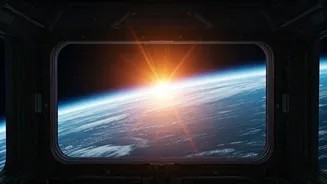
An orbital sunrise is a far cry from the gentle affair we experience on the ground. For astronauts, the entire event—from the first sliver of light to full daylight—can be over in less than a minute. The Sun appears to leap over the horizon rather than slowly climbing above it. Astronauts describe seeing the terminator, the line separating day and night on the surface below, as a fast-moving band of colour that sweeps over the planet in seconds. This constant, rapid cycling between brilliant light and total darkness, with about 45 minutes of each, presents a unique set of challenges for the human body.
Tricking the Body Clock
Our bodies are designed to function on a 24-hour cycle, guided by one sunrise and one sunset. This internal timer is called the circadian rhythm. The 16 daily sunrises on the ISS can wreak havoc on this biological clock, leading to sleep disruption, fatigue, and other health issues. To combat this, life on the station runs on a strict schedule based on Coordinated Universal Time (UTC), formerly Greenwich Mean Time. This provides a consistent 24-hour framework for work, meals, and an allotted 8.5-hour sleep period.
Creating an Artificial Day
Beyond a strict schedule, NASA has implemented technological solutions to help astronauts adapt. The station's interior lighting system was upgraded in 2016 with special LEDs. These lights can change their colour temperature and intensity throughout the UTC day. They produce a bluer, more energising light during the 'morning' and shift to a warmer, redder hue in the 'evening' to signal to the body that it's time to wind down. This system essentially fakes a single Earth day inside the station, helping to regulate the crew's melatonin production and promote better sleep. Despite these measures, many astronauts still average only about six hours of sleep per night and often rely on sleep masks, earplugs, and sometimes medication to get adequate rest.