








The Brain-Gut Disconnect
The single biggest issue with eating quickly is that it short-circuits your body's natural fullness signals. It takes approximately 20 minutes for your stomach to process food and send hormones, like leptin and cholecystokinin, to your brain to signal that you are
full. When you eat too fast, you can easily consume far more calories than you need before your brain gets the message. This consistent overeating is a primary driver of weight gain, with studies showing that fast eaters are significantly more likely to be overweight or obese compared to their slower-eating counterparts.
The Link to Digestive Distress
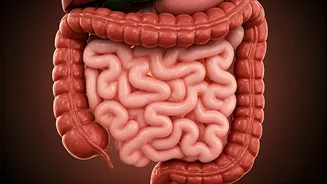
Digestion begins in the mouth, where chewing (mastication) breaks down food into smaller, more manageable pieces for your stomach. Eating quickly often means taking larger bites and chewing insufficiently. This forces your stomach to work harder to break down the food, which can lead to a host of uncomfortable issues like indigestion, bloating, gas, and abdominal pain. Swallowing excess air while rushing is also common, contributing further to bloating and discomfort. Over time, this habit can increase the risk of chronic acid reflux and gastroesophageal reflux disease (GERD).
Increased Metabolic Health Risks
The consequences of rapid eating go beyond weight gain and an upset stomach. A growing body of research links fast eating to an increased risk of metabolic syndrome—a cluster of conditions that includes high blood pressure, excess belly fat, high blood sugar, and abnormal cholesterol levels. These factors collectively raise your risk for heart disease, stroke, and type 2 diabetes. Studies have found that fast eaters are up to twice as likely to develop metabolic syndrome. The habit can also lead to larger fluctuations in blood glucose and contribute to insulin resistance, a key precursor to type 2 diabetes.
How to Reclaim a Slower Pace
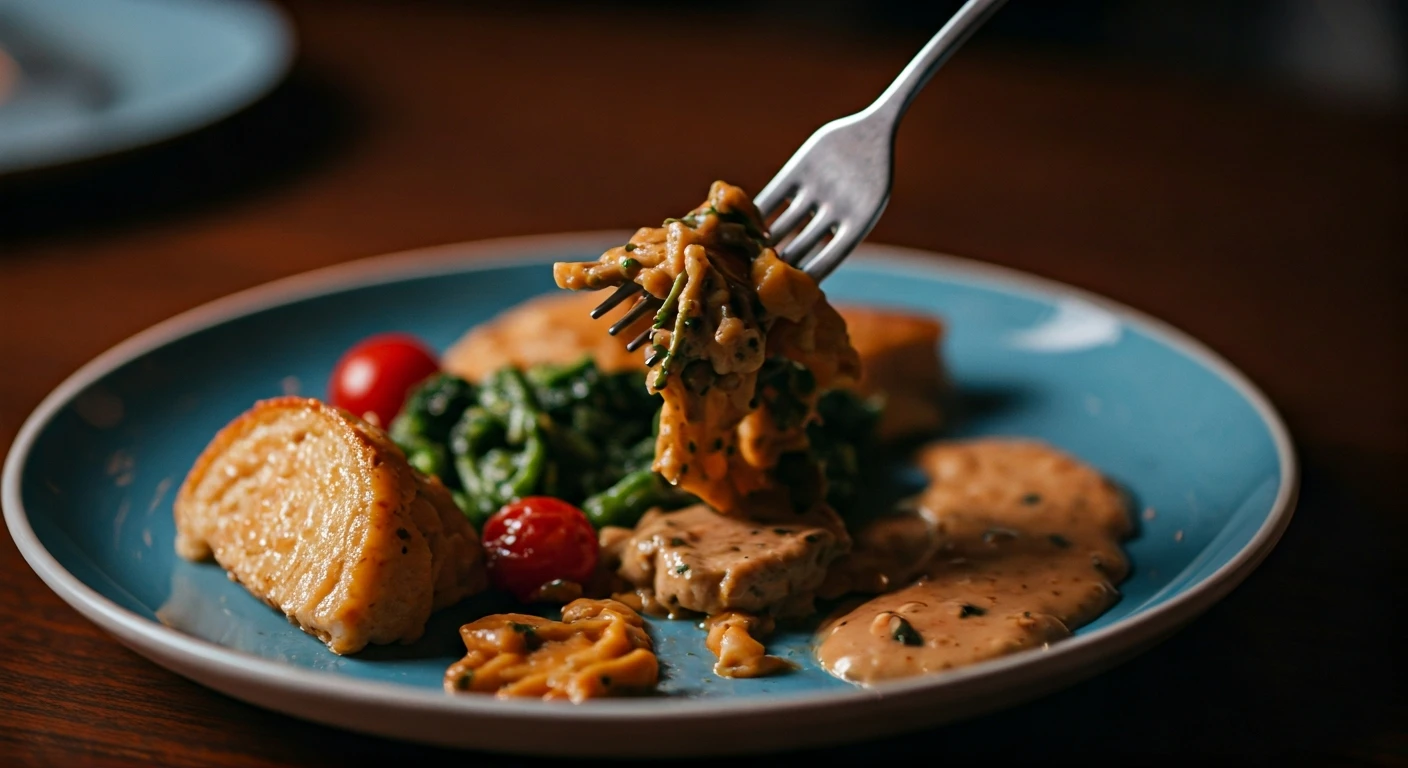
Slowing down might feel unnatural at first, but small changes can make a big difference. Start by creating a distraction-free eating environment; turn off the TV and put away your phone to focus on your food. Try to chew each bite thoroughly, aiming for 20-30 chews per mouthful. A simple but effective trick is to put your fork down between bites. This small pause gives your body time to process and prevents you from immediately preparing the next mouthful. Sipping water throughout your meal can also help you slow down and aid in feeling full. Finally, don't wait until you're ravenously hungry to eat, as extreme hunger makes it much harder not to scarf down your food.