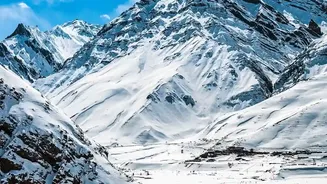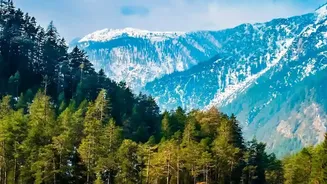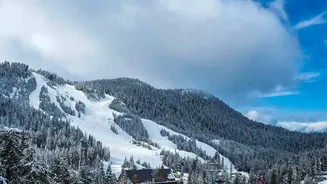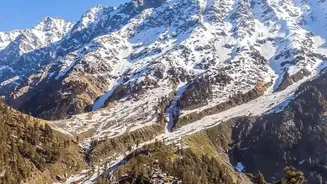



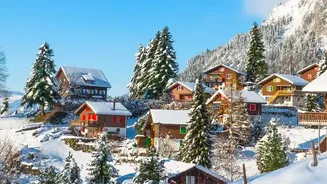
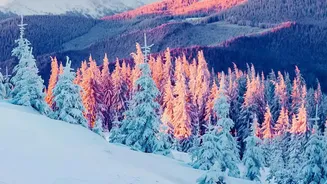
While Patnitop is a beloved winter wonderland, the Jammu region holds other snowy gems waiting to be discovered. But venturing into the mountains in winter requires more than just enthusiasm; it demands respect for the unpredictable weather.
Bhaderwah: The Meadow-Rich 'Mini Kashmir'
Often called
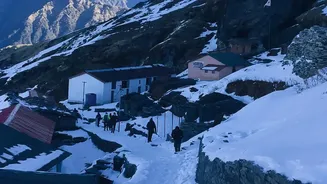
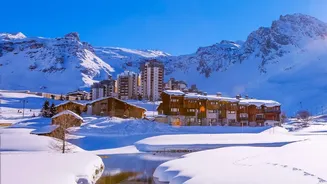
'Chota Kashmir' for its striking resemblance to the valley, Bhaderwah is a pristine destination in the Doda district. During winter, from December to February, this saucer-shaped valley transforms into a serene white paradise, with heavy snowfall blanketing its deodar and pine forests. Unlike crowded tourist spots, Bhaderwah offers a quieter, more immersive experience. The meadows of Padri and Guldanda become hubs for skiing and snow play, though heavy snowfall can sometimes lead to temporary road closures on higher passes. Temperatures can drop below freezing, especially at night, making it a destination for those who truly appreciate the crisp silence and stark beauty of a Himalayan winter. The town hosts a vibrant winter festival around New Year's, attracting visitors for a unique cultural experience amid the snow.
Sanasar: The Hub of Winter Adventure
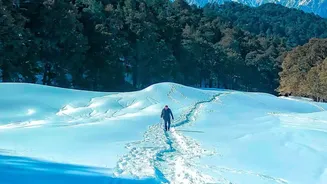
Just a few hours from Jammu, Sanasar is a cup-shaped meadow that becomes an enchanting snow destination from late December to February. Known as an adventure hub, it offers activities like snow sledging and beginner skiing against a backdrop of snow-dusted pine forests. While some activities like paragliding depend on clear weather, the sheer beauty of the landscape makes it a worthwhile winter visit. Sanasar provides a more peaceful alternative to mainstream hill stations, perfect for families and photographers looking to capture magical winter scenes. Access is generally reliable, but like any mountain destination, it's wise to check road conditions before you travel, as heavy snowfall can cause delays.
Understanding Unpredictable Mountain Weather
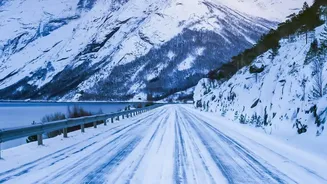
The weather in the Himalayas is notoriously fickle, especially in winter. A clear, sunny morning can quickly turn into a heavy snowstorm within hours. Altitude plays a huge role; higher elevations experience faster and more extreme temperature drops. One of the biggest challenges is the unpredictability of snowfall, which can lead to sudden road closures and leave travellers stranded. Wind chill is another factor to consider; the 'feels like' temperature in high-altitude meadows can be significantly colder than what the thermometer reads. Always check the latest weather forecasts from reliable sources and have a flexible itinerary. Never assume conditions will remain stable, and avoid travelling at night when visibility is low and temperatures plummet.
Essential Packing: The Art of Layering
Packing correctly is non_negotiable for a safe and comfortable winter mountain trip. The golden rule is to dress in three layers. Start with a moisture_wicking base layer (thermals) to keep sweat away from your skin. Avoid cotton, as it retains moisture and makes you feel colder. Your middle layer should be for insulation, like a fleece or a light down jacket. The outer layer must be a windproof and waterproof jacket to protect you from snow and biting winds. This layering system allows you to adjust your clothing as your activity level or the weather changes. Don't forget insulated, waterproof boots with good grip, woollen socks, a warm cap that covers your ears, gloves, and a scarf or neck gaiter.
Safety and Health in the High Altitudes
High altitude presents its own set of challenges. Cold air can mask thirst, so it's crucial to stay hydrated by drinking plenty of water, even if you don't feel thirsty. Avoid alcohol, as it can accelerate dehydration. Pack high_energy snacks like nuts and chocolate for quick fuel. Be aware of the symptoms of Acute Mountain Sickness (AMS), which include headache, nausea, and fatigue. If symptoms appear, do not ascend further; if they worsen, descending is the only cure. Always carry a basic first_aid kit with medications for cold, pain, and altitude sickness. Keep your phone fully charged and close to your body, as batteries drain faster in the cold, and have emergency contacts readily available.