


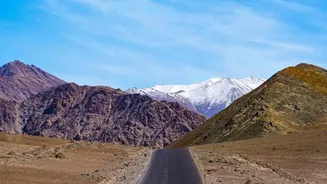

The Magic of Late-Summer Travel
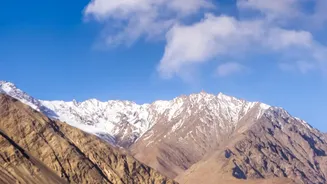
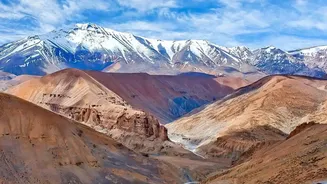
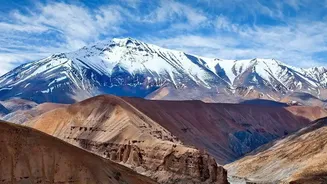
Visiting Ladakh between late August and September is often considered a sweet spot. The monsoon rains that lash other parts of India barely touch this high-altitude desert, which lies in a rain shadow. This period typically offers clear blue skies and comfortable
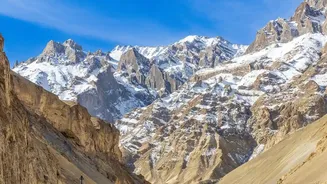
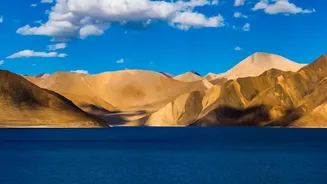
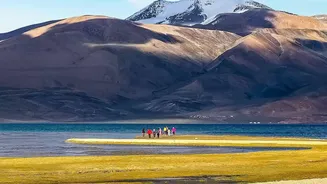
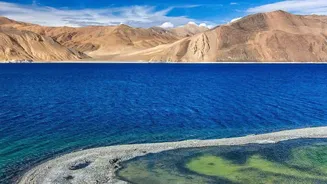
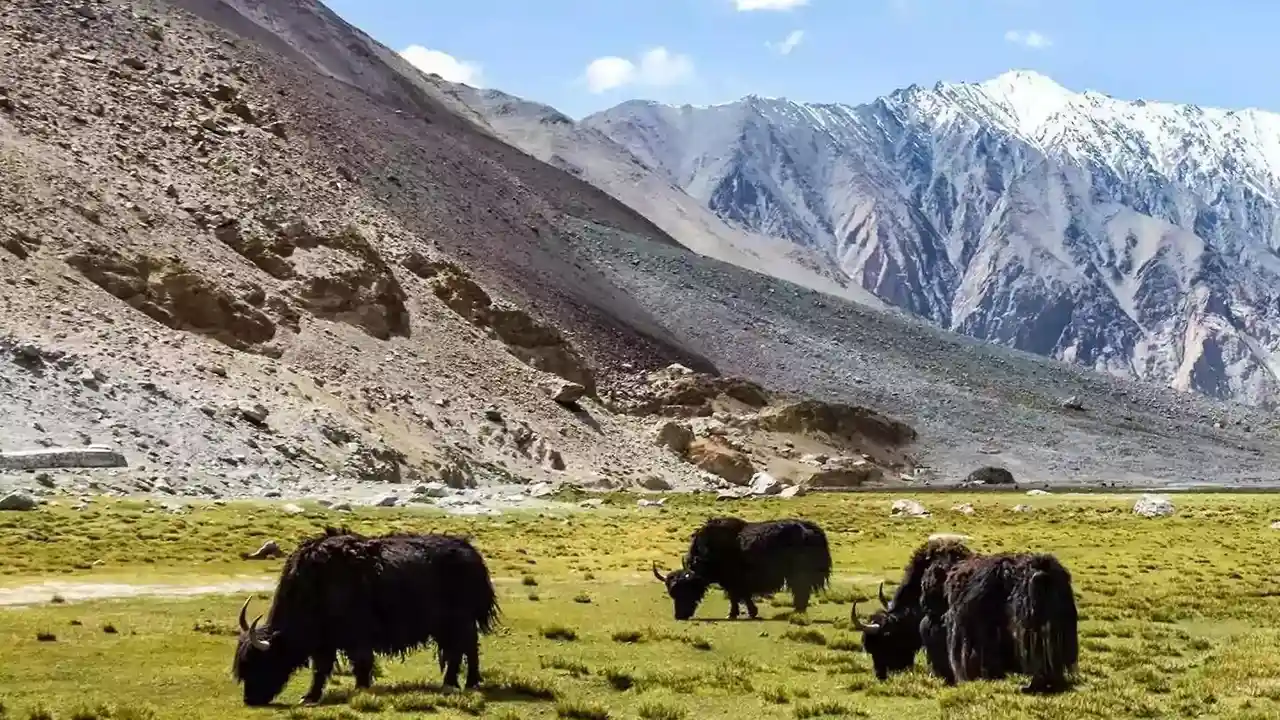
daytime temperatures, ideal for sightseeing. The roads from Manali and Srinagar are reliably open, and the landscape, having shed the last of the winter snow, is fully accessible. You'll find fewer tourists than in the peak months of June and July, leading to a more relaxed experience at popular sites like Pangong Tso and Nubra Valley. It’s a time when you can enjoy the region's raw beauty without the hustle, as the season transitions towards the quiet of autumn.
The Golden Rule: Plan for Flexibility
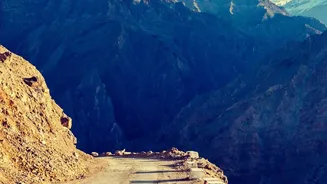
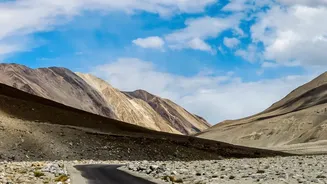
The most crucial aspect of any Ladakh itinerary is building in room for the unexpected. The region's geography means weather can change in an instant, and road conditions are never guaranteed. A sudden landslide or a high-altitude pass temporarily blocked by snowfall can alter your plans without warning. Instead of a minute-by-minute schedule, create a framework: list your must-see destinations and group them geographically. For example, plan to explore the monasteries around Leh, then dedicate separate multi-day trips to Nubra Valley and Pangong Lake. Always add a buffer day or two to your trip. This allows you to accommodate delays without stress and gives you the freedom to linger longer in a village you love or take an unplanned detour that could become the highlight of your journey.
The Acclimatisation Non-Negotiable
If you fly into Leh, which sits at an altitude of over 3,500 metres, your body needs time to adjust to the lower oxygen levels. Rushing into sightseeing on the first day is a recipe for Acute Mountain Sickness (AMS), which can include headaches, nausea, and fatigue, potentially ruining your trip. The rule is simple: the first 24 to 48 hours in Leh are for complete rest and acclimatisation. Do nothing more strenuous than a short, slow walk around the market. Drink plenty of water—at least 3-4 litres a day—and avoid alcohol. This initial rest period allows your body to adapt, ensuring you have the energy and good health to enjoy the adventures ahead. Your body will thank you when you’re effortlessly enjoying the views from Khardung La pass.
Crafting Your Core Itinerary
A good itinerary starts with a solid, but not rigid, structure. After two days of acclimatising in Leh, you can begin exploring nearby sites like Shanti Stupa, Leh Palace, and the monasteries at Thiksey and Hemis. A popular and logical route is to then travel to Nubra Valley via Khardung La pass, spending one or two nights there to explore Diskit and Hunder. From Nubra, many travellers take the direct route to Pangong Tso via the Shyok road, a journey that offers stunning, rugged landscapes. After a night at Pangong Lake, you can return to Leh via the Chang La pass. This classic circuit covers many of Ladakh's most iconic sights in about 5-6 days, leaving room for detours or relaxation back in Leh.
Permits and Paperwork Simplified
Indian tourists no longer need a separate Inner Line Permit (ILP) to visit protected areas like Nubra Valley, Pangong Tso, and Tso Moriri. This has been replaced by an environment fee that can be paid online. You can visit the official Leh administration website (lahdclehpermit.in), fill out the form, pay the required fee (which includes an Environment Fee and a Wildlife Protection Fee), and print the receipt. This single document is your key to accessing these beautiful regions. It's essential to carry multiple photocopies of this receipt and your government-issued photo ID, as you'll need to submit them at various checkpoints along your route.
Packing for All Four Seasons
In late summer, Ladakh's weather demands layers. Days can be pleasantly warm and sunny, but temperatures drop significantly the moment the sun sets or you ascend a high pass. Your packing list should include lightweight full-sleeve T-shirts, a fleece jacket for warmth, and a windproof, waterproof outer jacket. Sturdy walking shoes are essential. Evenings and nights, especially near the high-altitude lakes, can be near freezing, so thermal wear, a woollen cap, gloves, and warm socks are non-negotiable. Don't forget sun protection: the high-altitude sun is incredibly strong, so pack sunglasses, a wide-brimmed hat, and high-SPF sunscreen.