
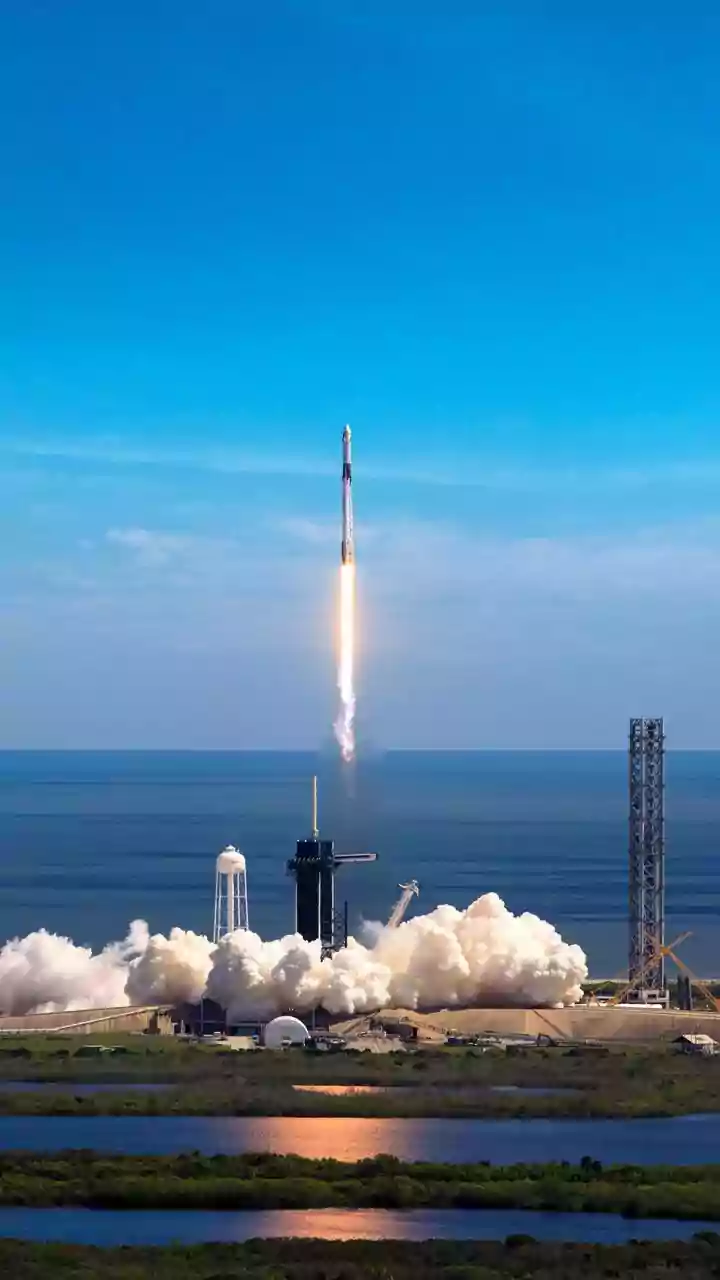




On November 14, SpaceX experienced both a spectacular failure and a historic triumph. While the massive Super Heavy booster was lost, the company successfully caught the Starship upper stage for the first time ever after it returned from orbit.
A Tale of Two Rockets
SpaceX's
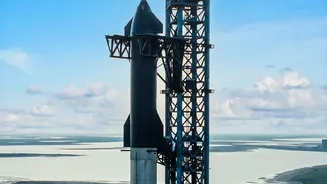
15th Starship test flight, which lifted off on November 13, was its most ambitious yet. The goal was to launch the two-stage vehicle, have both the Super Heavy booster and the Starship upper stage return to the launch site, and catch both using the launch tower's giant mechanical 'chopstick' arms. This had never been attempted before. The mission unfolded as a story of mixed results: the booster return failed, but the far more complex catch of the upper stage from orbit succeeded, marking a pivotal moment in spaceflight history.
The Setback: What Happened to the Booster?
Minutes after a successful liftoff, the plan for the Super Heavy booster went awry. After separating from the upper stage, the booster was supposed to fly back to the launch tower for its catch. However, its guidance system detected an issue, reportedly related to low fuel mass, and triggered an automatic abort. Instead of returning to the tower, the booster diverted itself to a safe location over the Gulf of Mexico, where its flight was terminated. While SpaceX has successfully caught boosters on previous flights, this particular attempt was unsuccessful, meaning the goal of recovering the entire rocket system on a single mission remains elusive.
The Triumph: A Historic Catch from Orbit
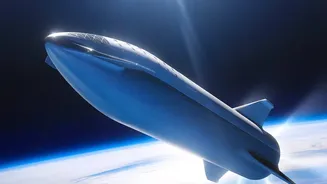
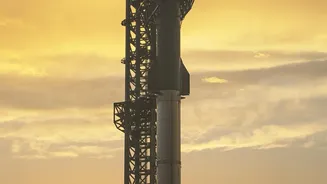
While the booster's flight ended prematurely, the Starship upper stage, known as 'Ship', continued its journey perfectly. It successfully achieved orbit, deployed 26 Starlink satellites, and circled the Earth 14 times over nearly 22 hours. Then came the main event. On November 14, the spacecraft performed a deorbit burn, blazed through the atmosphere, and navigated itself with incredible precision back to the launch site in Texas. In a breathtaking sequence, the giant launch tower arms closed in and successfully caught the hovering vehicle, marking the first time a spacecraft has ever been recovered this way after an orbital flight.
Why This 'Successful Failure' Is a Game-Changer
Losing a booster is a significant setback, but successfully catching the orbital stage is widely seen as the much bigger achievement. The upper stage travels far faster and higher, enduring the intense heat of atmospheric reentry from orbit—a much greater challenge than the booster's lower-altitude return. Proving that the Ship can be caught is what SpaceX commentators called the 'holy grail of spaceflight'. This capability is the key to unlocking the central pillar of SpaceX's business model for Starship: full and rapid reusability. The ability to catch, refuel, and quickly relaunch both stages is what will dramatically lower the cost of accessing space.
What It Means for India and the World
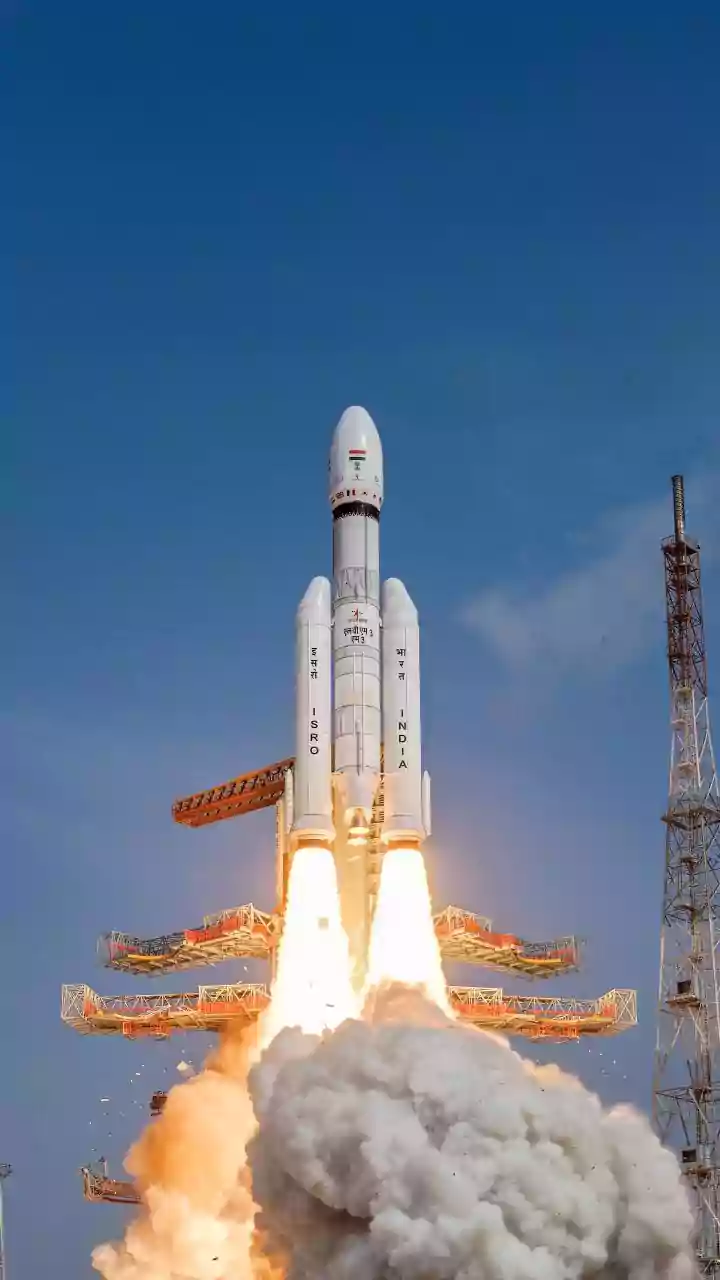
While SpaceX is a US company, its progress has global implications, including for India's burgeoning space sector. Starship's success is set to revolutionize satellite deployment. On this mission alone, it deployed 26 next-generation Starlink satellites. A fully reusable Starship could launch hundreds of satellites at once, transforming global internet access and Earth observation capabilities. For India, which is rapidly expanding its own satellite constellations and launch services, SpaceX's progress sets a new, aggressive benchmark for reusability and cost-effectiveness. The technologies being proven, from advanced heat shields to precision automated landings, will influence rocket design and space exploration strategies worldwide for decades to come, pushing all players to innovate faster.