





A Lifeline From The Stars
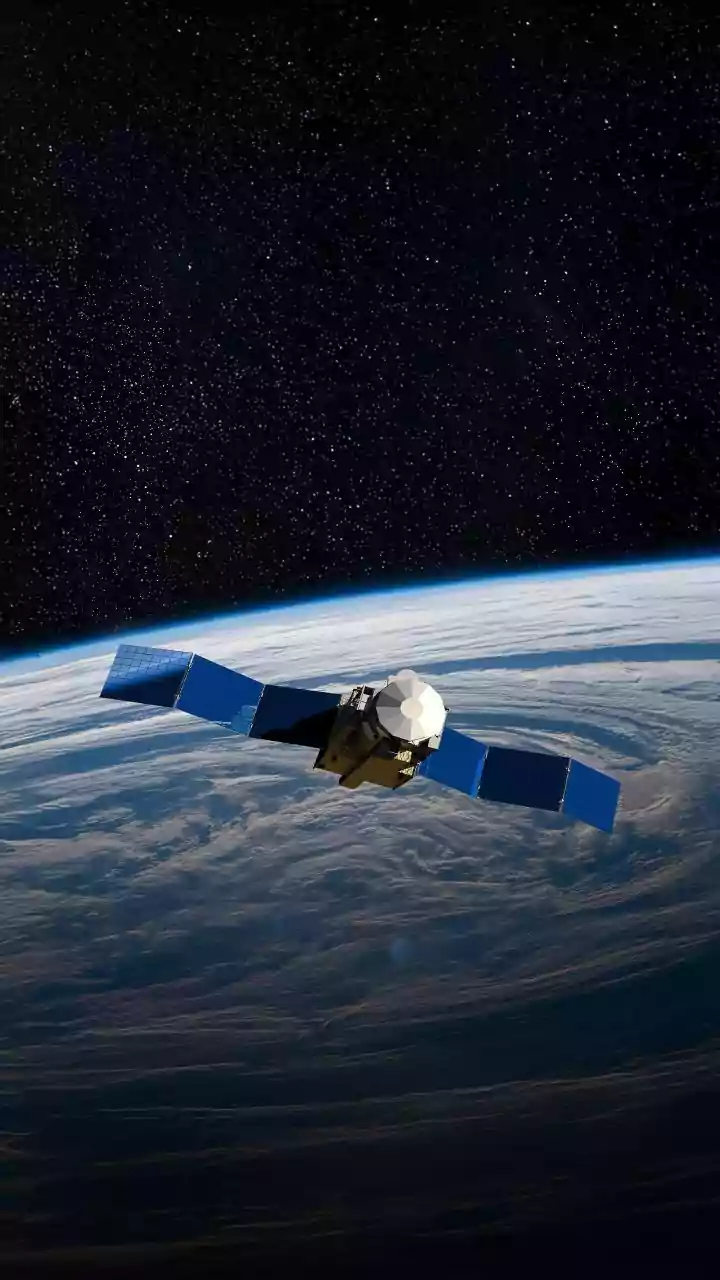
When Russia launched its full-scale invasion in 2022, one of its first objectives was to dismantle Ukraine's communication infrastructure. Into this void stepped Starlink, the satellite internet constellation operated by Elon Musk's SpaceX. Thousands
of portable terminals were shipped to Ukraine, providing crucial connectivity for the military, government, and civilians. For the armed forces, Starlink became the backbone of their operations. It enabled real-time communication on the front lines, guided drone attacks against Russian positions, and allowed for the coordination of air defences, proving to be a vital tool in resisting a much larger invading force. This system was so effective that it was hailed as an essential enabler for the Ukrainian military, allowing it to synchronize maneuvers in ways no government could have provided alone.
The Power to Say No
The relationship, however, has been fraught with tension. The power to provide the service also includes the power to restrict or deny it. Over the past week, Ukrainian officials reported that SpaceX, without warning, imposed a speed restriction on its military-grade Starshield service. This new limit caps connectivity for terminals moving faster than 160 km/h (100 mph), a move that directly impacts some of Ukraine's most effective tools: its high-speed drones. The sudden change reportedly disrupted several combat missions, forcing some to be cancelled. President Volodymyr Zelenskyy confirmed the restrictions remain in place, stating that in some cases, connectivity was lost at speeds as low as 70 km/h, hampering Ukraine's ability to intercept jet-powered Russian drones.
A Murky Web of Responsibility
The question of who ordered the restriction has become a geopolitical puzzle. Elon Musk has stated that Starshield systems are owned and controlled by the U.S. government, and any limits are ultimately decided by the President. However, reports have emerged suggesting Musk himself proposed the speed cap to the White House, an idea that was then reportedly agreed upon. Ukrainian officials have voiced their belief that the move is political, possibly linked to U.S. pressure on Kyiv to halt strikes on Russian oil refineries. President Zelenskyy has stated that the signal to impose the limits came from the American government, which SpaceX then technically implemented. The White House has denied involvement, leaving Kyiv caught in a confusing and dangerous situation where its battlefield capabilities are dictated by a tangled relationship between a private CEO and foreign governments.
The New Rules of War
The Starlink saga in Ukraine highlights a paradigm shift in modern conflict. The reliance on a single commercial entity for mission-critical military infrastructure creates a significant vulnerability. When a nation's ability to defend itself can be influenced by the decisions of a private company or its CEO, it raises profound questions about national sovereignty and strategic autonomy. This incident serves as a stark warning for governments worldwide about the risks of outsourcing critical national security functions. The battlefield is no longer just land, sea, and air; it's also the domain of private corporations whose actions—or inactions—can have life-or-death consequences thousands of miles away.