








Beyond the Tourist Trail
For decades, the classic tour of India, for both foreigners and domestic travelers, followed a well-worn path: the Golden Triangle of Delhi, Agra, and Jaipur, perhaps with a detour to the beaches of Goa. But for a growing cohort of young Indians—millennials
and Gen Z armed with disposable income and a global consciousness—that itinerary feels increasingly dated. They’re skipping the predictable photo ops at the Taj Mahal in favor of experiences that are slower, more authentic, and less impactful on the environment. This new travel philosophy prioritizes connection over consumption. Instead of five-star hotels, they’re booking stays at family-run homestays, eco-lodges powered by solar energy, and remote farm stays. The goal is no longer just to see a place, but to experience it, contribute to it, and leave it better than they found it.
The 'Why' Behind the Shift
This trend isn’t happening in a vacuum. It’s driven by the same forces shaping youth culture worldwide: a heightened awareness of the climate crisis, a rejection of mass consumerism, and a deep desire for authenticity. For young Indians, who are part of one of the largest and most digitally connected youth populations on Earth, these values are profoundly influencing their spending habits. A 2023 report from Booking.com noted that an overwhelming majority of Indian travelers express a desire to travel more sustainably. Social media, often blamed for promoting over-tourism at photogenic hotspots, is playing a surprisingly positive role here. Instagram feeds that once showcased luxury resorts are now filled with images of misty mornings in the Himalayas, hands-on pottery workshops in a rural village, or meals made from ingredients picked just hours earlier. This digital word-of-mouth creates a new kind of aspirational travel, where the ultimate status symbol isn't luxury, but conscious, mindful exploration.
What These Trips Actually Look Like
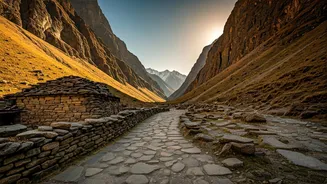
So, what does a sustainable Indian trip entail? In the northeastern state of Meghalaya, it might be staying in a community-run guesthouse and trekking to living root bridges built by indigenous tribes. In Kerala, in the south, travelers are choosing serene homestays in the backwaters where they learn about local regenerative agriculture, eschewing the noisy, polluting houseboats of the past. In the mountains of Himachal Pradesh and Uttarakhand, it’s about finding a quiet cabin for a “workation,” supporting local cafes, and participating in clean-up drives. These trips are defined by what they include—local interaction, fresh food, and minimal waste—and what they exclude. Single-use plastics are a major target. Travelers arrive with their own reusable water bottles and coffee cups, and many tour operators and lodges now build their entire brand around being plastic-free. The focus shifts from a whirlwind tour of sights to a more immersive, place-based experience.
A Boost for Local Economies
The impact of this movement extends far beyond the individual traveler. By channeling tourist dollars away from large hotel chains and into smaller, local enterprises, this new wave of travel is creating economic resilience in communities that were often bypassed by traditional tourism. It empowers small business owners, farmers, and artisans, creating a more equitable model for the travel industry. Startups and digital platforms have been quick to cater to this market, creating curated directories of eco-friendly stays and experiences that are otherwise hard to find. They act as a bridge, connecting conscious travelers with hosts who share their values. This synergy is proving that sustainable choices can also be smart business, creating a blueprint for how a country as vast and diverse as India can develop its tourism sector without sacrificing its natural and cultural heritage.