




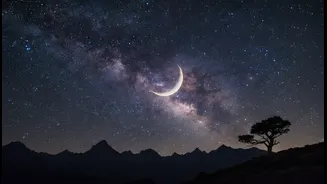
What is Astrotourism?
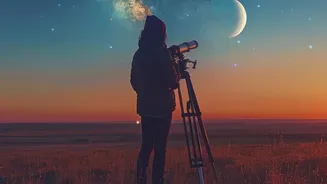
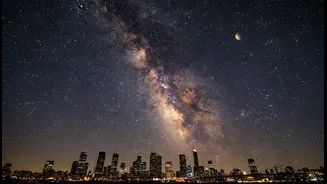
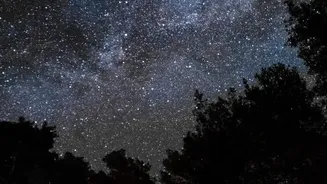
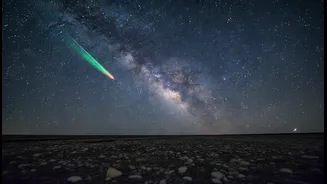
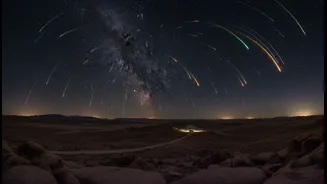
Astrotourism, or dark-sky tourism, is travel planned specifically around the opportunity to see a naturally dark night sky. It’s about escaping the light pollution that now covers most of the planet to witness celestial phenomena like the Milky Way, meteor
showers, and constellations in their full glory. With over 80% of the world's population living under light-polluted skies, a truly dark sky has become a rare and valuable commodity. This trend isn't just for astronomers; it’s for anyone seeking to reconnect with nature, find a sense of awe, and experience the quiet solitude that comes from gazing into the cosmos.
The Allure of the Darkness
The appeal of a dark-sky escape goes far beyond pretty views. It represents a powerful antidote to modern life. Getting away from city lights often means getting away from noise, crowds, and the constant glow of screens, promoting a sense of peace and mental wellness. This form of travel encourages a slower, more mindful pace. It’s an opportunity to disconnect from digital distractions and reconnect with the natural world on a profound level. For many, it’s a chance to experience something fundamental that has been lost to urbanisation—a direct view of our place in the universe.
India's Celestial Havens
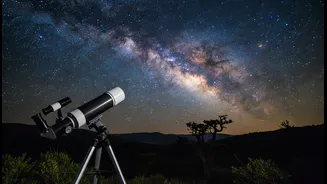
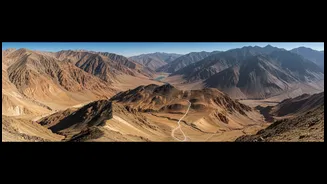
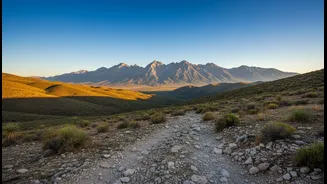
India is quickly emerging as a prime destination for astrotourism. The country now boasts its first official Dark Sky Reserve in Hanle, Ladakh. Located at an altitude of over 4,500 metres, Hanle offers some of the clearest, darkest skies on Earth, with the Milky Way often appearing bright enough to cast a faint shadow. The local community is deeply involved, with trained guides offering telescope viewings and sharing their knowledge. Another key location is the Pench Tiger Reserve in Maharashtra, which became India's first Dark Sky Park, blending wildlife conservation with astronomy. Other notable spots for stargazing include the high-altitude deserts of Spiti Valley, the vast salt flats of the Rann of Kutch, and the quiet landscapes of Jaisalmer.
Planning Your Stargazing Trip
A successful dark-sky trip requires a bit of planning. The most important factor is timing. Aim for the new moon phase, as a bright full moon can wash out the stars just as effectively as city lights. Winter months often offer clearer, less hazy skies, though you'll need to pack accordingly. Your gear doesn't have to be complicated; a good pair of binoculars can reveal incredible detail on the moon and other celestial objects. Download a stargazing app like SkyView or Stellarium to help you identify what you're seeing. Finally, allow your eyes at least 20 minutes to fully adjust to the darkness, and use a red-light torch to preserve your night vision.