


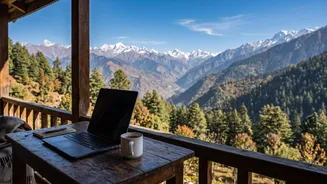
Why Early Autumn is the Perfect Season
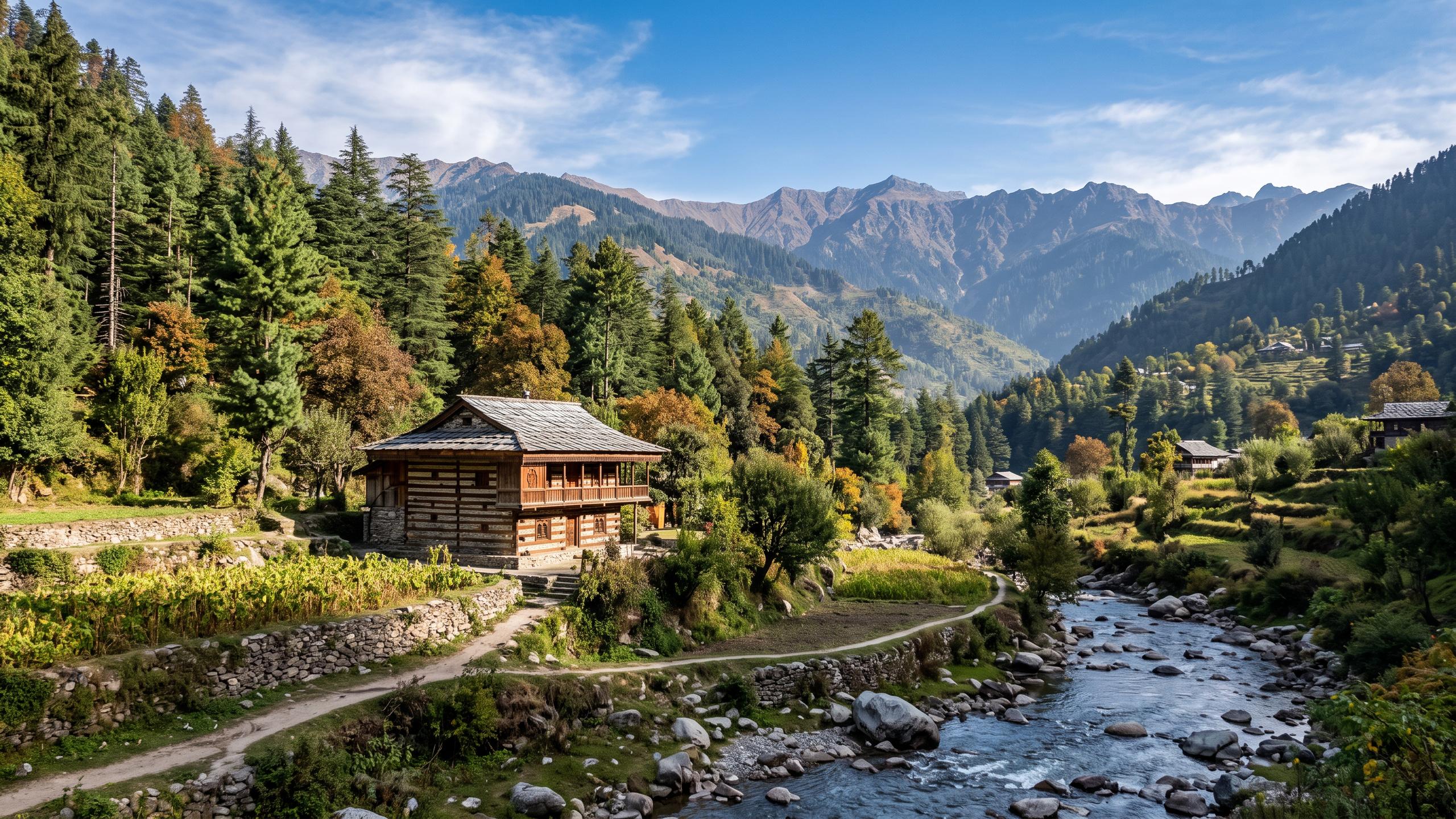
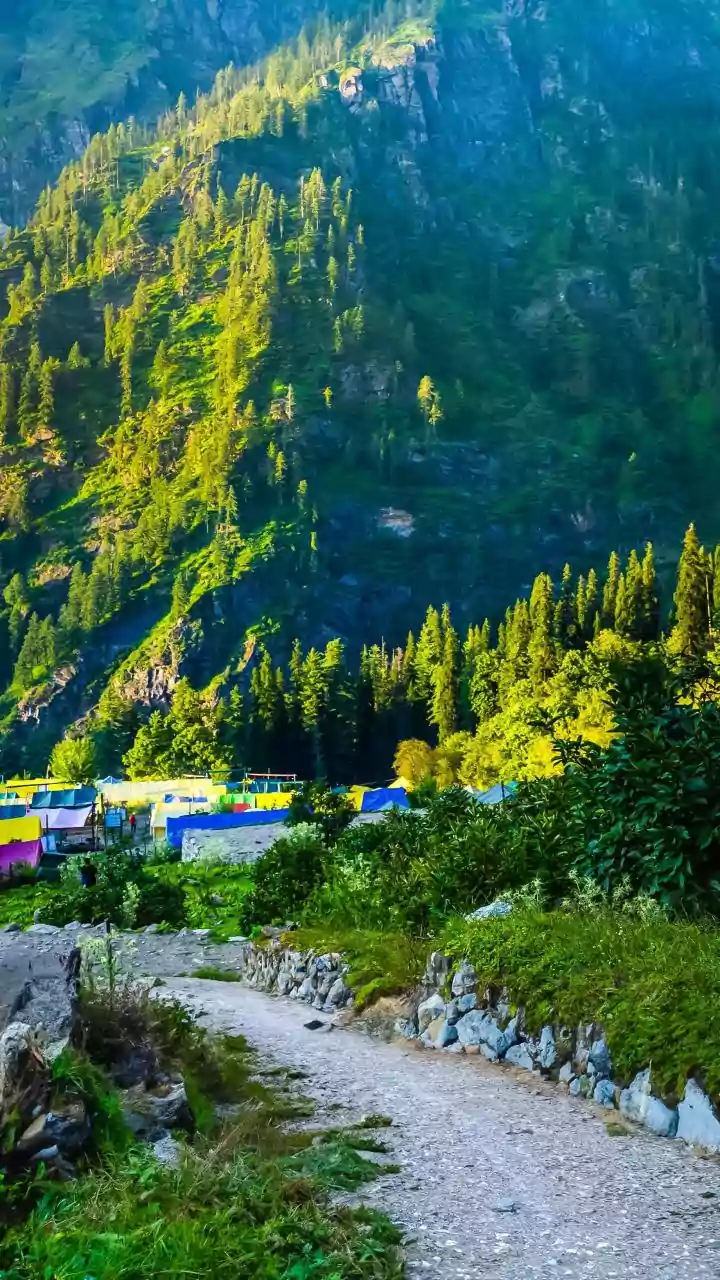
The period between September and November is an ideal window for a Himalayan workation. The monsoon has passed, leaving behind lush, green landscapes and clear, crisp air. The weather is comfortably cool, perfect for both focused work sessions and post-login
explorations. Unlike the peak summer rush, early autumn is quieter, allowing for a more peaceful and immersive experience. Tourist crowds are thinner, and accommodation is often more affordable, making it the perfect time to find your mountain office with a view.
Jibhi: The Rustic, Offbeat Retreat
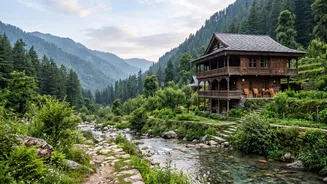
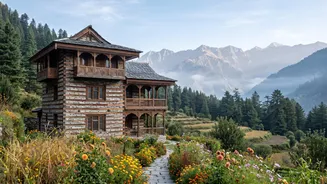
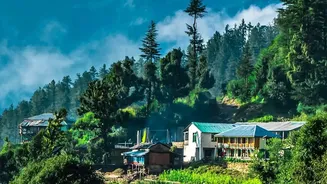
Nestled in the serene Tirthan Valley, Jibhi is the quintessential choice for those seeking an offbeat escape. It's a small village defined by its riverside charm, traditional wooden houses, and a burgeoning cafe culture. The vibe here is rustic and tranquil, geared towards travellers who want to disconnect from urban chaos while staying digitally connected. Homestays and backpacker hostels are the most common forms of accommodation, offering an intimate and community-oriented atmosphere. It’s a place where your workday can be punctuated by short walks to a nearby waterfall or simply listening to the sound of the river.
Naggar: Culture, Comfort, and Valley Views
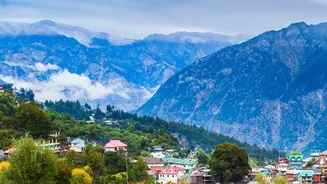
For those who prefer a touch more history and comfort, Naggar offers a compelling alternative. Once the capital of the Kullu kingdom, this town is rich with heritage, most notably the 15th-century Naggar Castle and the Roerich Art Gallery. It sits at a higher elevation than Jibhi, providing panoramic views of the Kullu Valley. The town is more developed, with a mix of traditional homestays and boutique guesthouses that are easily accessible. Its walkability is a major plus; cafes, temples, and viewpoints are often just a short stroll away, making it easy to explore after your work is done.
The Wi-Fi Reality Check
The most critical question for any workation is about connectivity. The good news is that both Jibhi and Naggar have seen significant improvements. Many homestays and cafes in both locations now offer fibre broadband connections with speeds around 30 Mbps, which is generally sufficient for video calls and daily tasks. However, reliability can vary. It is crucial to confirm with your host before booking whether their Wi-Fi is a stable broadband connection or a mobile hotspot, as the latter can be unreliable. Mobile data, particularly Airtel and Jio, offers decent 4G/5G coverage in the main areas, but can be patchy in more remote spots. Always have a mobile hotspot as a backup plan, and be aware that power cuts can happen, so properties with inverter backup are a huge plus.
Breaking Down the Budget
Both destinations are budget-friendly, but costs can differ. In Jibhi, budget homestays and hostels can range from ₹700 to ₹1,500 per night. A meal at a local cafe might cost between ₹200 and ₹400. Naggar offers a similar price range for accommodation, with many homestays available from around ₹1,000 per night. Due to its slightly more established nature, you might find a wider variety of stay options. Food costs are comparable. For a long-term stay, Jibhi might be slightly more expensive due to its popular cafe culture, with a month costing between ₹25,000 and ₹35,000, while a more locally-integrated stay in Naggar could be a bit lower.
Beyond the Laptop: What to Explore
Your workation isn't just about work. Jibhi is an adventurer's starting point. Spend your downtime hiking to the Jibhi Waterfall, trekking to Serolsar Lake from Jalori Pass, or exploring the historic Chehni Kothi. The area is dotted with scenic forest trails perfect for short, refreshing walks. In Naggar, culture takes center stage. Explore the Naggar Castle and the Roerich Art Gallery, take a peaceful walk to the Krishna Temple, or hike up to the quiet village of Rumsu. The town also serves as a great base for visiting nearby waterfalls like Jana and Sajla.